One rural hospital offers hope amid nationwide rural maternity ward closures
Maija Whitefeather-Manning, 28, cuddles her newborn baby, Corvus, at United Hospital District in Blue Earth, Minnesota- the only hospital in the region. Molly Castle Work/MPR News hide caption When …
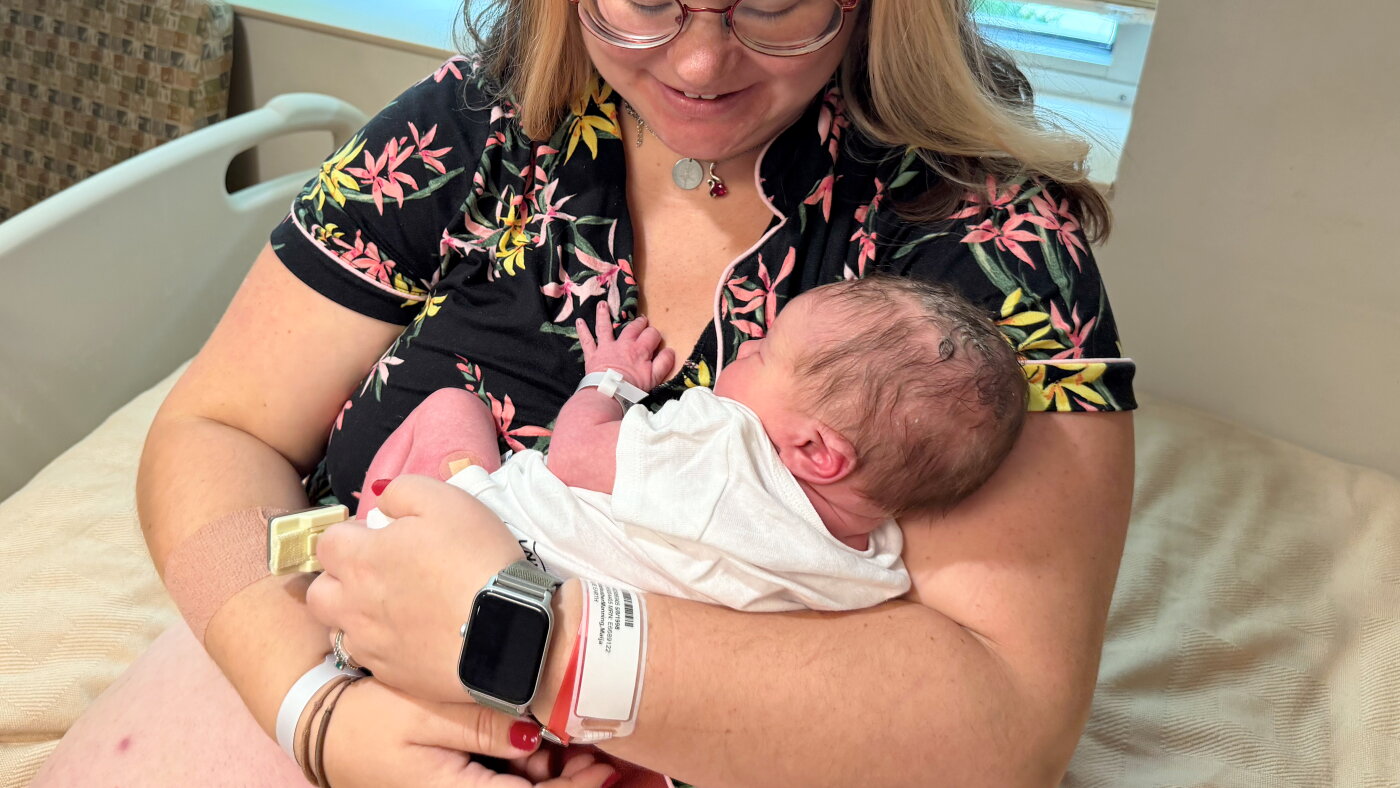
Maija Whitefeather-Manning, 28, cuddles her newborn baby, Corvus, at United Hospital District in Blue Earth, Minnesota- the only hospital in the region. Molly Castle Work/MPR News hide caption
When Nikki Johnson heard Mayo Clinic Health System was closing its labor and delivery unit at her local clinic in Fairmont, Minnesota, she was shocked. It was 2024, and she was 33 weeks pregnant. Instead of giving birth in her small rural town, she was suddenly faced with having to drive to Mayo's Mankato clinic about an hour away when she went into labor.
"I asked the doctor, so what happens if I go into labor and it goes pretty fast and I have to pull over on the side of the road on the way to Mankato?" Johnson recalled. "I was like, that would be terrifying. Giving birth is scary to begin with."
Johnson's experience isn't unique. Labor and delivery units have been closing across the state and the nation in recent years. The latest data from the University of Minnesota Rural Health Research Center shows that in 2010, 56% of U.S. counties had at least one hospital with obstetrics services. 14 years later, that dropped by 9% — almost 300 counties had lost hospital-based obstetrics services and rural areas had been hardest hit .
Labor and delivery units require 24/7 staffing since births can happen at any time. That makes it expensive. Rural hospitals see more low-income patients on Medicaid, which offers lower reimbursement, and they see fewer births, so labor and delivery units rarely pay for themselves. They tend to have fewer resources for simulation training and telemedicine support.
Katy Kozhimannil, co-director of the Rural Health Research Center, said when rural units close, it can make giving birth more dangerous.
"Certainly in rural areas, for every hospital that closes its obstetric unit or closes entirely, the nearest place to give birth gets further and further away, and that distance is associated with poor outcomes for moms and for babies," Kozhimannil explained.
She said many pregnant people are forced to give birth in under-resourced rural emergency rooms, in ambulances, or even on the side of the road, leading to more instances of pre-term birth and infant mortality.
Read Full Story at NPR Health →