One underlying cause of inflammatory bowel disease pinpointed in new study
Autoantibodies may be disabling one of the body's anti-inflammatory brakes in some IBD patients, a new study finds.
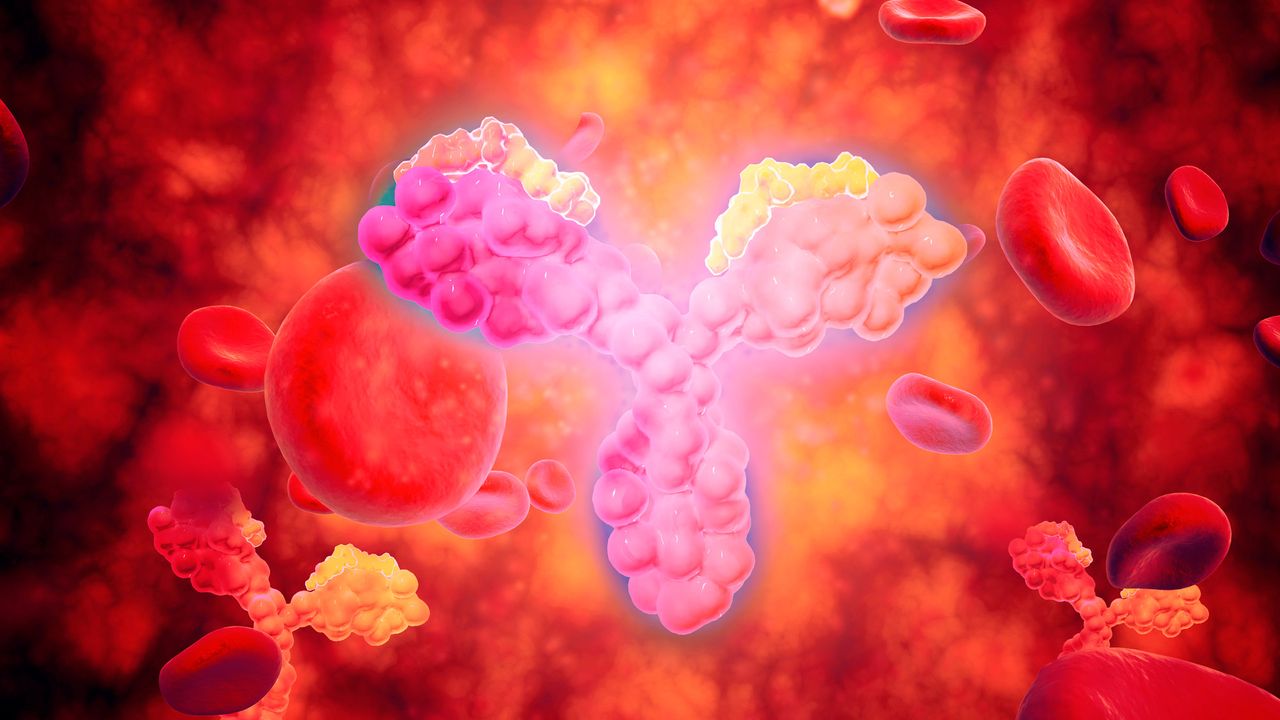
Autoantibodies may be disabling one of the body's anti-inflammatory brakes in some IBD patients, a new study finds. This report comes from Live Scien
Read Full Story at Live Science →Why This Matters
The discovery that autoantibodies may disable the body's anti-inflammatory mechanisms in some IBD patients represents a paradigm shift in how we understand chronic inflammatory conditions. By identifying a potential root cause rather than just treating symptoms, this research opens doors to more precise diagnostic tools and targeted therapies that could transform patient care.
Background Context
Inflammatory bowel disease (IBD) has long been treated as a disorder of immune overactivity, with treatments focused on suppressing inflammation broadly. However, emerging research suggests that in some cases, the immune system's own regulatory mechanisms may be inadvertently sabotaged, a concept that challenges traditional therapeutic approaches.
What Happens Next
Clinicians may soon incorporate autoantibody testing into IBD diagnostics, potentially leading to earlier and more accurate identification of patients who could benefit from tailored interventions. Pharmaceutical development could pivot toward therapies that restore immune regulation rather than merely dampening inflammation.
Bigger Picture
This study aligns with a growing recognition that autoimmune conditions may stem from disruptions in immune checkpoint mechanisms. As precision medicine advances, such findings could redefine treatment strategies across multiple inflammatory disorders, not just IBD.






