OpenAI Wants to Kill the Chatbot It Invented and Turn It Into a Superapp
The company that launched ChatGPT in 2022 is now betting its future on something closer to WeChat than a Q&A box
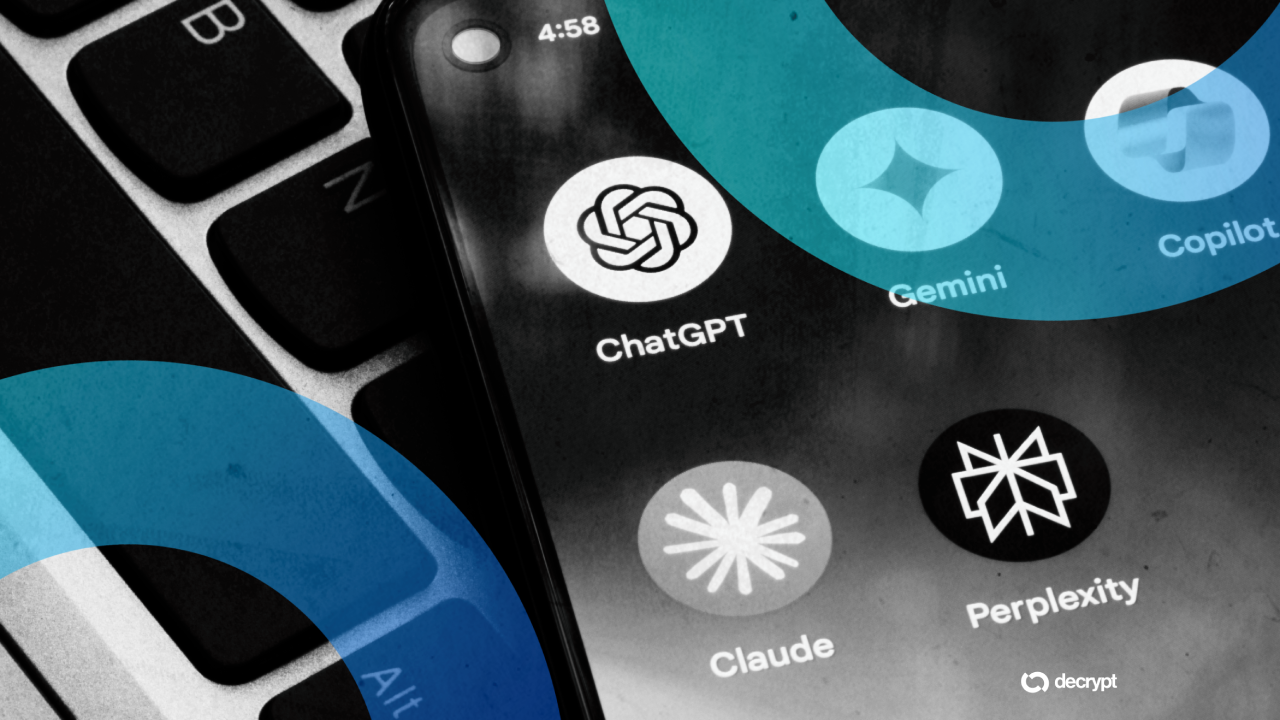
The company that launched ChatGPT in 2022 is now betting its future on something closer to WeChat than a Q&A box This report comes from Decrypt. The
Read Full Story at Decrypt →Why This Matters
The shift from standalone AI chatbots to multifunctional platforms reflects a strategic pivot toward consolidation in the tech industry, where users increasingly expect seamless integration of services. By transforming ChatGPT into a "superapp," OpenAI isn’t just evolving its product—it’s redefining the role of AI in daily life, testing whether consumers will embrace a single interface for everything from search to commerce.
Background Context
ChatGPT’s 2022 launch sparked an AI arms race, but early iterations revealed limitations in handling complex, multi-step tasks. OpenAI’s pivot mirrors China’s WeChat model, where a dominant platform absorbs diverse functionalities, but U.S. tech culture has historically resisted such walled gardens. Regulatory scrutiny also looms, as antitrust concerns grow over AI ecosystems that could stifle competition.
What Happens Next
OpenAI’s success hinges on whether users will migrate from specialized apps to its platform, a gamble complicated by entrenched habits and privacy concerns. Developers and third-party integrations will determine adoption rates, while regulators may scrutinize how data flows within this expanded ecosystem. The outcome could set a precedent for other AI companies racing to build their own superapps.
Bigger Picture
This move signals a broader industry trend toward "platformization," where AI becomes the invisible backbone of digital life. As Silicon Valley looks eastward for growth models, the experiment also underscores the tension between innovation and user autonomy—raising questions about whether open ecosystems or controlled platforms will dominate the future of tech.




