Czinger introduces organic brake assemblies for 21C Spyder using additive manufacturing
Czinger has introduced organic-looking brake assemblies for its 21C Spyder, utilizing topological design and additive manufacturing for enhanced performance and efficiency. This innovation represents…
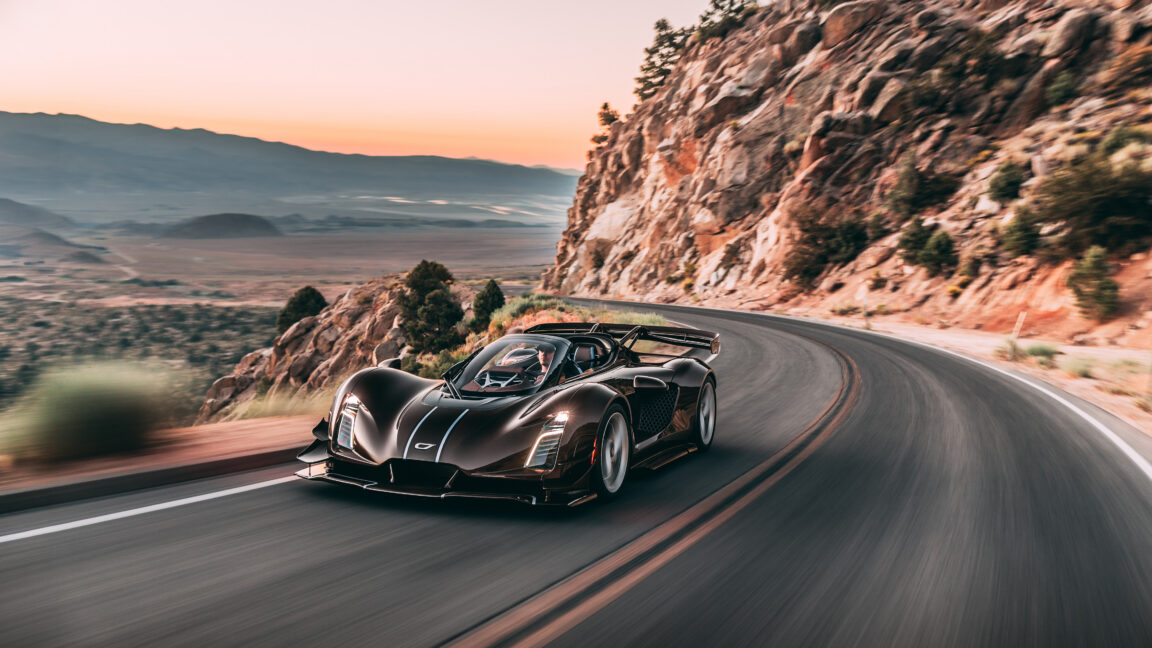
Czinger has unveiled organic-looking brake assemblies on its new 21C Spyder model, showcasing advancements in automotive technology. The brake components, which feature a unique design, were developed using topological design and additive manufacturing techniques. This innovative approach allows for complex shapes that traditional manufacturing methods cannot achieve.
The introduction of these brake assemblies comes at a crucial time in the automotive industry, where manufacturers are increasingly focused on performance, efficiency, and sustainability. The 21C Spyder, a hypercar that boasts impressive speed and design, aims to push boundaries in both performance and aesthetics. As electric and hybrid vehicles gain traction, automakers are exploring new materials and methods to reduce weight and enhance functionality. Czinger's use of advanced manufacturing techniques signals a shift towards more innovative solutions in car design.
The new brake assemblies are not only visually striking but also promise improved performance. Topological design optimizes the material distribution, making the parts lighter without sacrificing strength. Czinger has not disclosed specific weight savings or performance metrics yet, but the implications for handling and braking efficiency could be significant. Industry experts are closely watching how these advancements affect the driving experience and overall vehicle performance.
Looking ahead, Czinger's innovation could set a precedent for other manufacturers. As the automotive sector continues to evolve, the adoption of 3D printing and advanced design principles may become mainstream. This could lead to more customizable and efficient vehicles, aligning with consumer demand for personalization and sustainability. The success of the 21C Spyder may inspire a wave of similar initiatives across the industry, paving the way for a new era of automotive design.
Read Full Story at Ars Technica →