Researchers link Ozempic to reduced cravings in addiction treatment
Ozempic-like drugs may reduce cravings for alcohol and addictive substances by affecting the brain's lateral septum, which is linked to reward processing. This discovery could lead to new treatments …
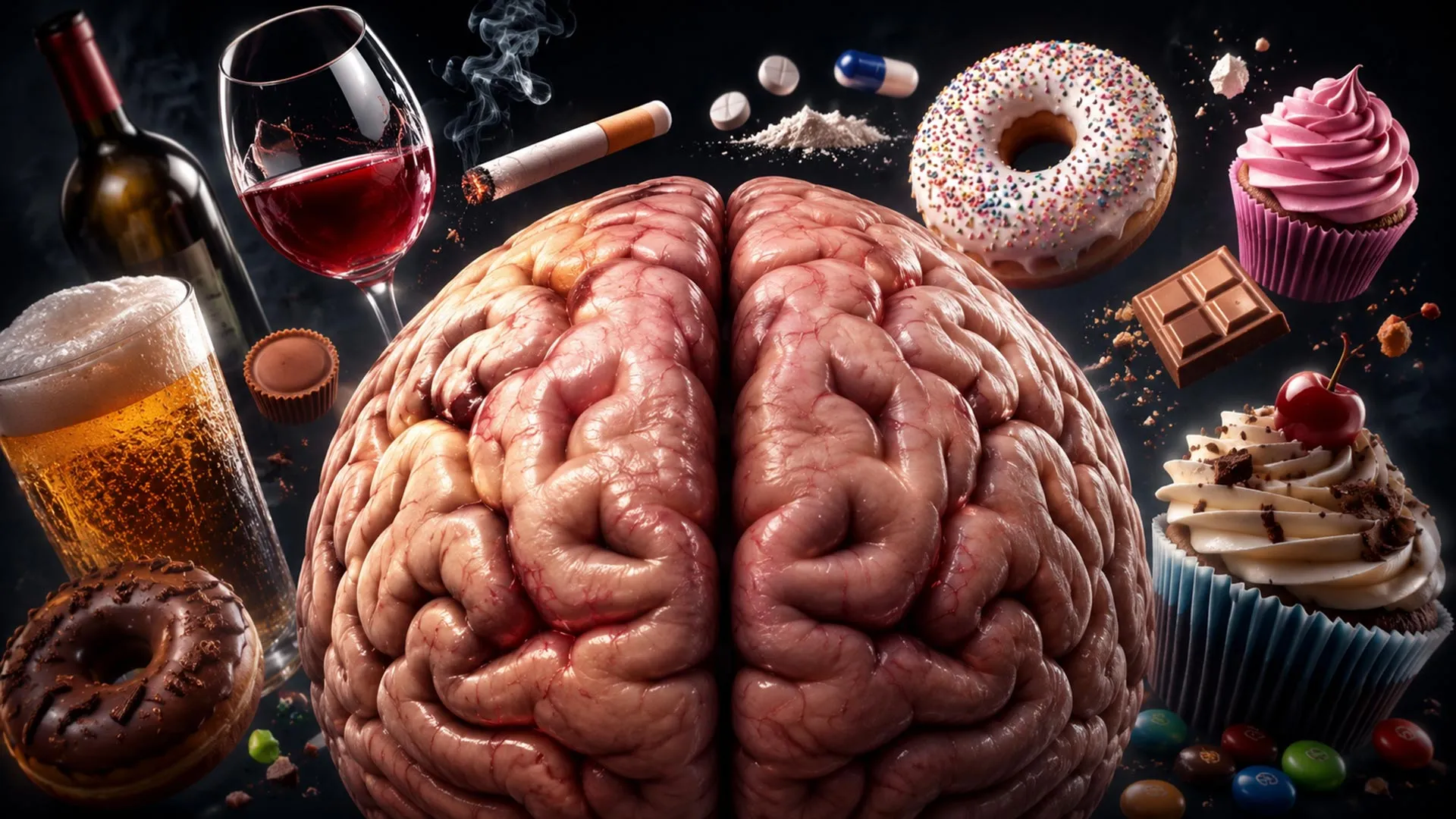
Ozempic-like drugs, widely known for their weight-loss benefits, may also reduce cravings for alcohol and other addictive substances. This revelation comes as scientists explore the drug's effects on the brain, particularly focusing on the lateral septum, a region linked to how we associate memories and environments with rewards.
The lateral septum is rich in GLP-1 receptors, which are believed to play a significant role in controlling the difference between thinking about a reward and feeling the urge to seek it out. Researchers suggest that this brain area could act as a crucial control point in the brain’s reward system. The current interest in these drugs is heightened due to the growing public health concerns around obesity and addiction, making the exploration of their broader implications particularly timely.
Initial findings indicate that the reduction in cravings may extend beyond food, opening up possibilities for new treatments for addiction. If further studies confirm these effects, the implications could be significant. The potential to address issues like alcohol dependency through drugs originally designed for weight management could reshape how we approach addiction therapies.
As research continues, experts are optimistic that these discoveries could lead to innovative treatment options. Understanding how Ozempic affects cravings may pave the way for new strategies to combat both obesity and addiction, offering hope to millions struggling with these issues. This line of investigation marks a promising intersection between neuroscience and public health, emphasizing a holistic approach to treatment.
Read Full Story at ScienceDaily →