Pennsylvania schools restrict outdoor activities due to wildfire smoke
Wildfire smoke from Canadian fires, worsened by climate change, has caused dangerous air quality in Pennsylvania, forcing schools to restrict outdoor activities. The state is now planning long-term s…
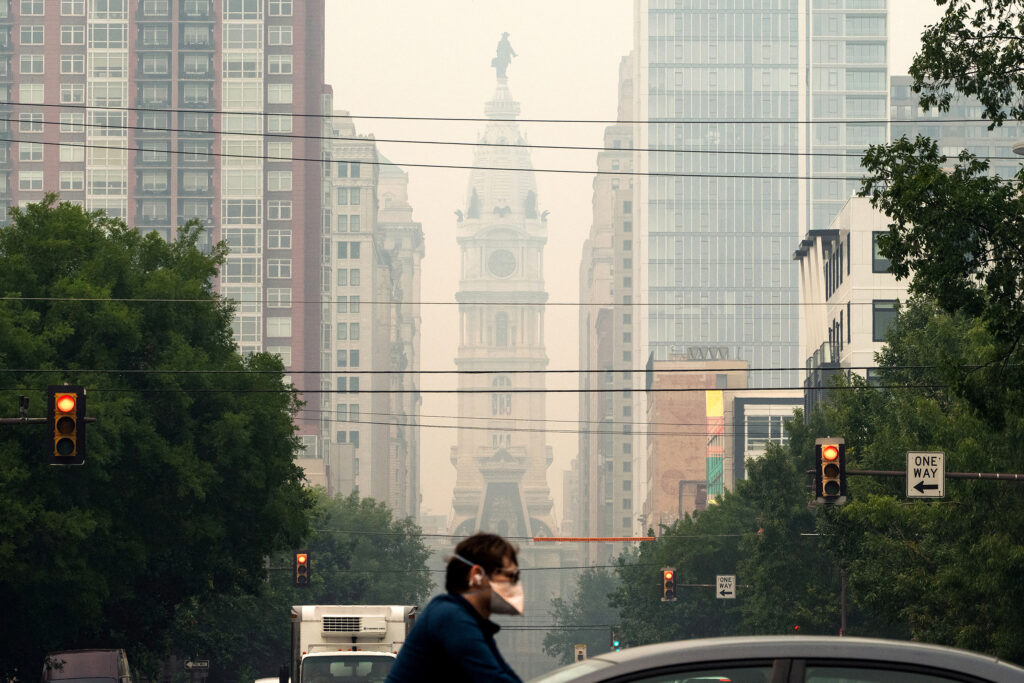
Karen Schaeffer, who runs a childcare center in Lititz, Pennsylvania, is now keeping kids indoors and shutting windows to block wildfire smoke drifting down from Canadian fires hundreds of miles away. The air quality hit dangerous levels this week, forcing her to change routines she’s followed for years. “We never had to worry about this before,” she said. “Now it’s part of the plan.”
The smoke is arriving from Quebec and Ontario, where record-breaking heat and dry conditions have fueled fires that have burned more than 37,000 square miles this year—an area larger than the state of Ohio. Climate scientists link the scale and intensity of these fires to rising temperatures and shifting weather patterns. Pennsylvania sits in the path of shifting wind currents, which now regularly carry smoke plumes southward. The state’s Department of Environmental Protection issued air quality alerts for 48 counties this week, warning residents—especially children and the elderly—to limit outdoor exposure.
Air monitors in Lancaster County, where Lititz is located, recorded levels of fine particulate matter (PM2.5) above 150 micrograms per cubic meter—more than six times the level considered safe by the U.S. Environmental Protection Agency. Public health officials say prolonged exposure can worsen asthma, heart disease, and lung function in vulnerable groups. Schaeffer said her center’s supply of air purifiers has run low as demand spikes. “We’re ordering more, but they’re backordered,” she said. “This isn’t a one-time thing anymore.”
What happens next depends on the fires—and the weather. Forecasters expect the fires to continue burning through at least late summer, with shifting winds still capable of sending smoke into the northeastern U.S. State officials are considering better public health messaging, expanded air quality monitoring in schools and daycare centers, and long-term funding for indoor air filtration. For Schaeffer, the lesson is clear: what once seemed like a distant problem is now part of daily life. “We’re adapting,” she said. “But we never expected to have to.”
Read Full Story at Inside Climate News →