Perseids meteor shower peaks August 11-13, offers 100 meteors hourly
The Perseids meteor shower will peak from August 11 to August 13, 2023, allowing stargazers in the Northern Hemisphere to see up to 100 meteors per hour under ideal conditions. This year's near-new m…
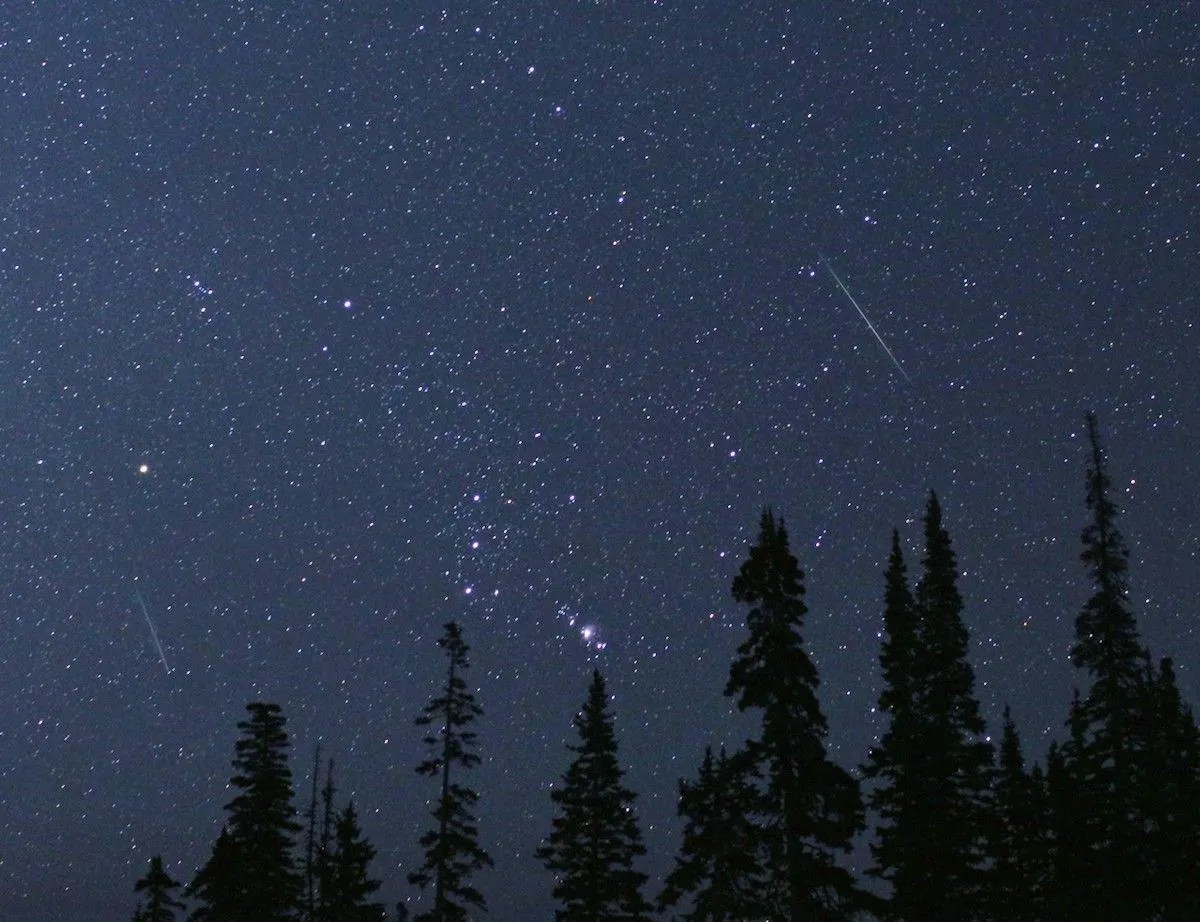
The Perseids meteor shower, one of the brightest and most anticipated astronomical events of the year, is set to peak from August 11 to August 13, 2023. This annual display occurs as Earth passes through the debris left by Comet Swift-Tuttle, which orbits the sun every 133 years. Stargazers across the Northern Hemisphere can expect to see up to 100 meteors per hour under ideal conditions.
The Perseids are particularly popular because they occur during the warm summer nights, allowing for comfortable viewing. This year, the shower is especially noteworthy due to its timing. The moon will be nearly new, providing darker skies that enhance visibility. This will give observers a better chance to spot the meteors as they streak through the atmosphere, creating bright trails of light.
The Perseids have a long history, with records of the meteor shower dating back to ancient China in 36 AD. They are named after the constellation Perseus, from which they appear to originate. The meteor shower typically begins in mid-July and lasts until late August, but its peak is what draws the most attention. Astronomers and space enthusiasts often gather in remote locations to escape light pollution for a better view, creating a shared experience that celebrates the wonder of the universe.
Looking ahead, events like the Perseids not only inspire awe but also foster interest in science and astronomy. Many schools and organizations host viewing parties and educational events to engage the public. As more people become aware of celestial events, there is a growing movement to protect dark skies from light pollution, ensuring future generations can enjoy the beauty of meteor showers like the Perseids.
Read Full Story at NASA →