Philippines: Farmers race to keep up with global 'ube' craze
On a recent road trip home to Germany , cafe owner April Schoengen spotted a purple pastry at a gas station bakery. "It was ube, just as I suspected," she said, surprised at finding a Filipino-flavored dessert at a European gas station. Schoengen sells ube-flavored cakes and dr
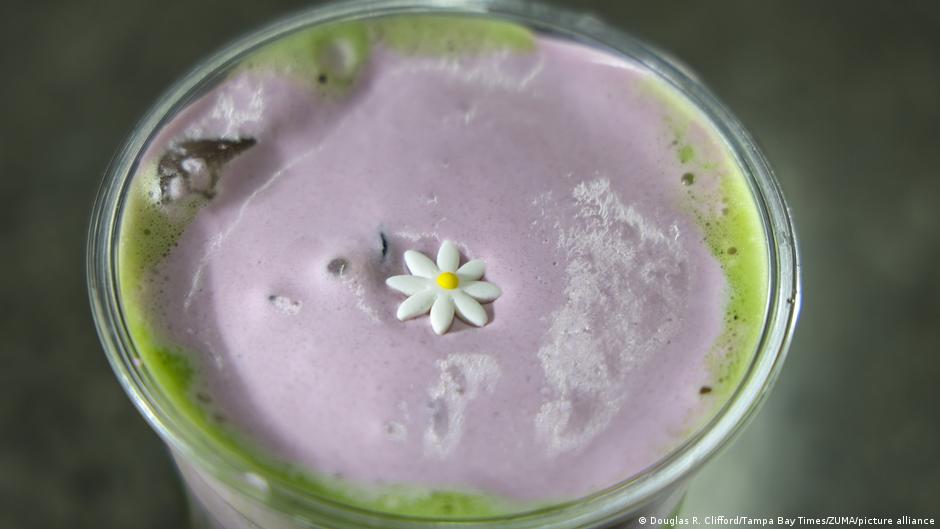
On a recent road trip home to Germany , cafe owner April Schoengen spotted a purple pastry at a gas station bakery.
"It was ube, just as I suspected," she said, surprised at finding a Filipino-flavored dessert at a European gas station.
Schoengen sells ube-flavored cakes and drinks at her Filipino-themed cafe, "Ube de Oro" in Bonn . When she opened two years ago, the cafe catered to a mostly Filipino clientele.
Now, she's seeing more and more people from different backgrounds come in, intrigued by the lilac-colored treats.
When unfamiliar diners inquire about ube, she shows them a poster summarizing the crop's origins and cultural significance.
Ube (pronounced oo-beh), also called the purple yam, is a naturally vibrant purple root crop from the Philippines .
Subtly sweet and nutty, ube is typically served as jam, ice cream or dessert during festivities in the Philippines.
For many indigenous communities, the tuber is a staple food and major source of protein, carbohydrates and antioxidants, according to Cheryl Marie Natividad-Caballero, Philippine agriculture undersecretary for high value crops.