Thousands join Arbaeen pilgrimage in Karbala; Bolivians honor Pachamama
Thousands of Shia Muslims participated in the Arbaeen pilgrimage in Karbala, Iraq, highlighting the event's significance as one of the world's largest religious gatherings despite regional tensions. …
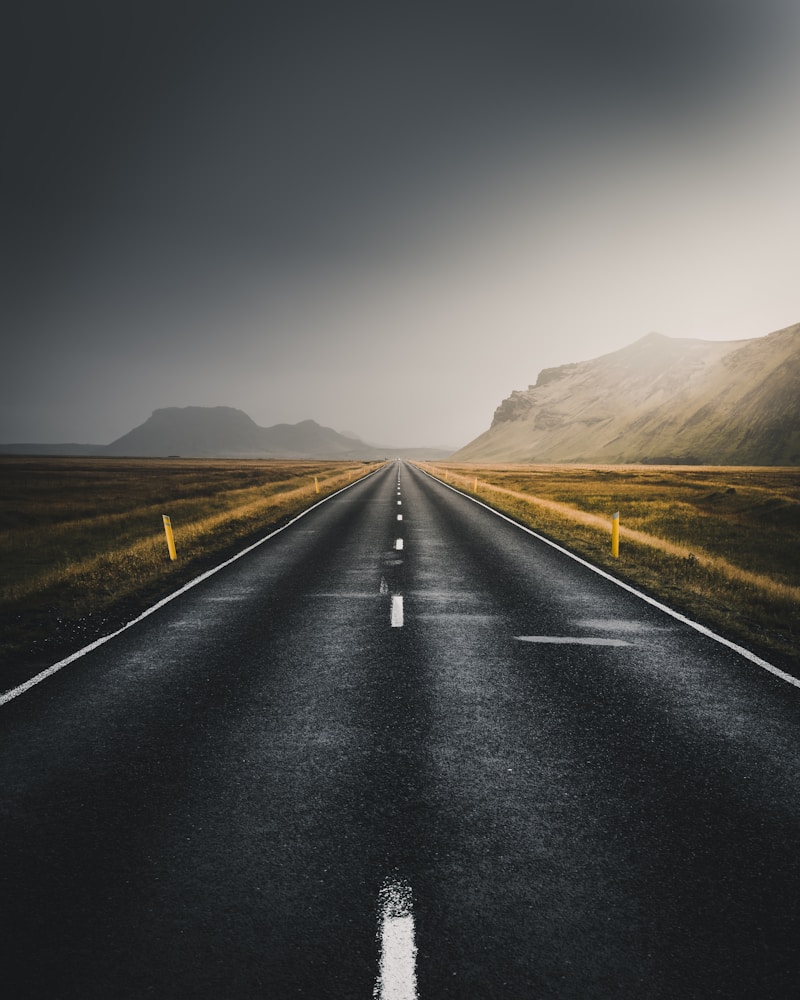
Thousands of Shia Muslims converged on the Iraqi city of Karbala this week for the Arbaeen pilgrimage, marking the 40th day since the martyrdom of Imam Hussein in 680 AD. The event is one of the largest annual gatherings of people on Earth, drawing millions of participants from across the globe who walk for days to reach the shrine of Imam Hussein. The sheer scale of the procession creates a powerful visual testament to faith, discipline, and community, as pilgrims share resources, shelter, and meals along the route. This year, the pilgrimage proceeded despite ongoing regional tensions, highlighting the resilience of religious traditions in the face of geopolitical instability. The images capture the diversity of the crowd, with participants of all ages and nationalities united by a shared spiritual purpose. The atmosphere is described as solemn yet celebratory, a complex mix of mourning for historical loss and joy in communal solidarity. Security forces and volunteer groups worked in tandem to manage the flow of people, ensuring that the journey remained safe and orderly. The event serves as a reminder of the deep historical roots of Shia Islam and its continued relevance in modern political and social landscapes.
In a stark contrast to the arid plains of Iraq, indigenous communities in Bolivia gathered to make offerings to Pachamama, or Mother Earth, as part of ancestral rituals tied to the changing seasons. These ceremonies are deeply embedded in Andean cosmology, reflecting a worldview where nature is not a resource to be exploited but a living entity to be respected and nurtured. Participants presented traditional gifts such as coca leaves, chicha, and food items to the soil, seeking balance and reciprocity with the natural world. The practice is particularly significant in the context of Bolivia’s ongoing debates over mining, environmental protection, and indigenous rights. President Luis Arce’s administration has faced pressure to honor the constitutional rights of nature while also supporting economic development through mineral extraction. The photos of these offerings highlight the tension between modern economic pressures and ancient spiritual obligations. For many Bolivians, these rituals are not merely symbolic but essential acts of survival and cultural preservation. They reinforce community bonds and assert indigenous sovereignty over land and resources in a way that legal frameworks often fail to capture. The visual record of these ceremonies provides a window into a worldview that prioritizes harmony with the environment over domination of it.
The juxtaposition of these two events underscores the diverse ways in which human societies engage with the sacred and the historical. While the Arbaeen pilgrimage emphasizes collective memory and political identity, the Pachamama offerings focus on ecological balance and ancestral continuity. Both traditions rely on large-scale communal participation to maintain their vitality and relevance. In an era of increasing secularization and digital fragmentation, these physical gatherings demonstrate the enduring power of embodied ritual. They provide participants with a sense of belonging and purpose that transcends individual concerns. The media coverage of these events helps to broaden public understanding of non-Western religious and spiritual practices. By sharing these images, journalists and photographers play a crucial role in documenting cultural heritage that might otherwise be overlooked or misunderstood. The stories behind the photos invite viewers to look beyond surface-level observations and consider the deeper meanings attached to these actions. Whether walking through Iraq or kneeling in the Andes, participants are engaging in acts that define their identity and connect them to something larger than themselves.
Looking ahead, both traditions face challenges from modernization, climate change, and political shifts. The Arbaeen pilgrimage may see increased security concerns as regional conflicts persist, while Bolivian indigenous communities continue to navigate the complex relationship between state policy and traditional practices. However, the resilience of these events suggests that they will remain central to the cultural and spiritual lives of their participants. The documentation of these moments ensures that future generations can understand the depth and diversity of human spiritual expression. As global interconnectedness increases, such stories remind us of the unique ways in which different cultures find meaning and community. The photos serve as a visual archive of faith and tradition, capturing the essence of what it means to be part of a larger community. They challenge viewers to reflect on their own relationships with history, nature, and the divine. In doing so, they offer a profound commentary on the human condition and the enduring search for meaning in a rapidly changing world.
Read Full Story at Religion News Service →