World U20 Championships begin in Oregon amid poor air quality concerns
The World U20 Championships began on August 5 in Oregon but were marred by poor air quality due to nearby wildfires, compromising athlete performance and safety. This situation underscores the growin…

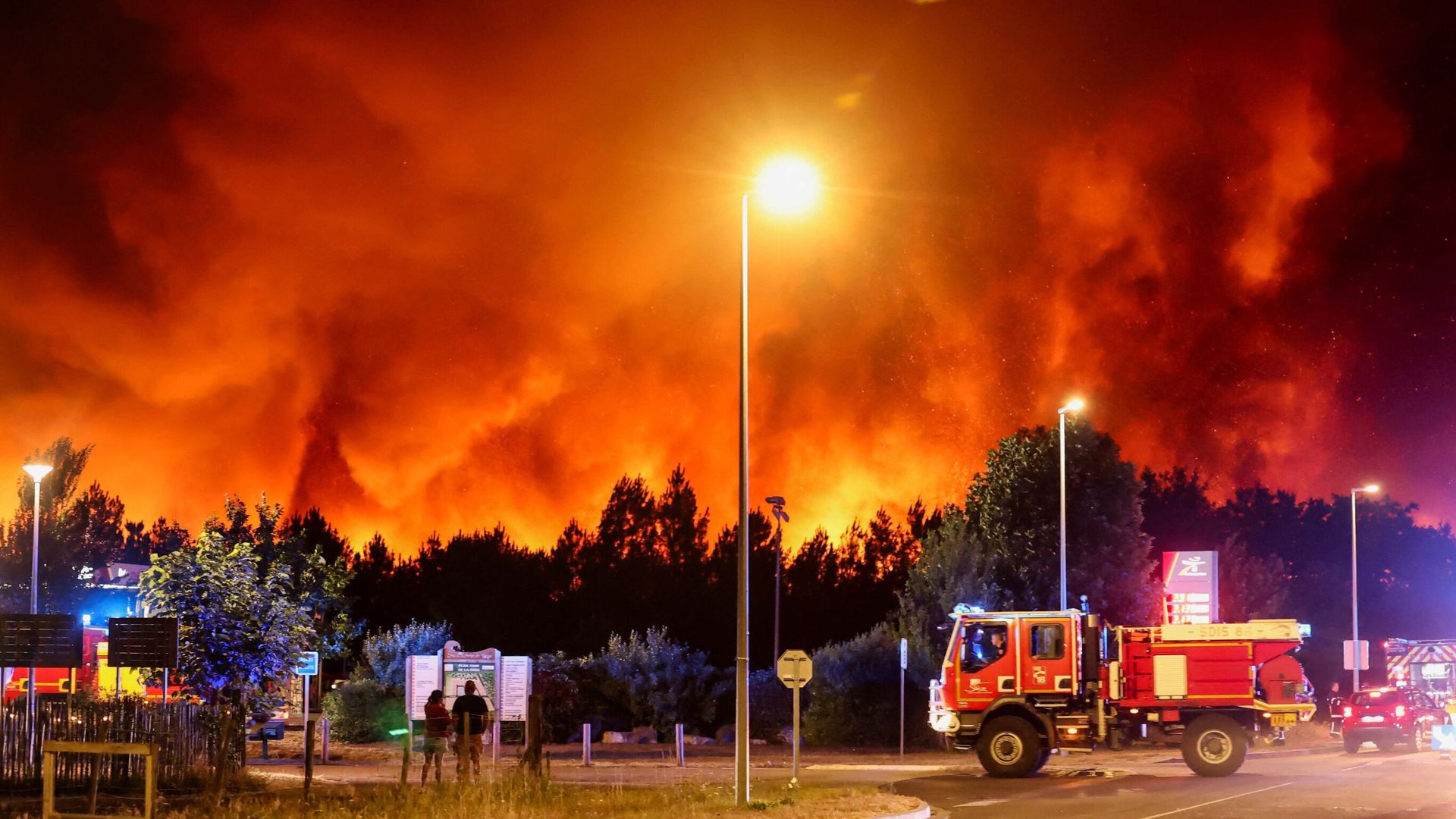
The World Athletics U20 Championships began on August 5 at Oregon University’s historic Hayward Field, but the opening day of competition was overshadowed by a thick, acrid haze that blanketed Eugene, Oregon. Young athletes from around the globe stepped onto the track to compete in the premier global event for under-20 runners, jumpers, and throwers, only to find their performances compromised by dangerous levels of particulate matter in the air. This is not merely an inconvenience for spectators or a minor adjustment for coaches; it represents a significant health and safety crisis for elite adolescent athletes who are pushing their bodies to physiological limits. The smoke, driven by wildfires burning across the western United States, created a hazardous environment that forced organizers to monitor air quality indices closely while competitors attempted to execute high-intensity sprints, long-distance races, and field events under compromised respiratory conditions.
This disruption highlights the growing intersection between climate change and elite sports, a trend that is becoming increasingly difficult for athletic organizations to ignore. Wildfires in the Pacific Northwest have intensified in recent years due to prolonged droughts and rising temperatures, creating seasonal risks for outdoor events scheduled in late summer. Hayward Field, a venue renowned for its fast times and world-record-holding history, has never faced such an environmental adversary. The decision to proceed with the meet, despite the poor air quality, reflects the immense logistical and financial pressure on international sporting bodies to keep schedules intact. However, the presence of smoke introduces variables that no training regimen can prepare an athlete for, ranging from reduced oxygen uptake to increased risk of asthma attacks and long-term lung damage. For a generation of athletes already facing unprecedented pressure to perform, this adds a layer of physical danger that transcends the competitive aspect of the sport.
Despite the hazardous conditions, the first day of competition produced notable performances that suggest these young athletes are adapting to extreme adversity. Several competitors posted times and distances that rival senior-level standards, demonstrating a level of resilience and determination that went beyond typical competitive drive. Coaches and medical staff remained on high alert, monitoring athletes for signs of respiratory distress and adjusting event schedules when necessary to allow for more recovery time. The reactions from the field were mixed, with some athletes expressing frustration at the circumstances while others focused solely on the task at hand, treating the smoke as just another obstacle to overcome. These performances serve as a stark reminder of the physical toll taken by these competitors, who are not only battling their peers but also the environment itself. The visibility was reduced, the air tasted of ash, and the usual roar of the crowd was muffled by the heavy atmosphere, yet the drive to excel persisted.
Looking ahead, the remaining four days of the championships will be a critical test of both athletic endurance and organizational adaptability. Weather forecasts indicate that the smoke may linger, forcing officials to make difficult decisions about whether to postpone further events or implement stricter safety protocols. The global attention on this event amplifies the stakes, as the world watches to see how international sports governing bodies handle environmental crises in real-time. If conditions worsen, the potential for widespread cancellations looms, which would disrupt travel plans, qualification standards, and the careers of athletes who have trained their entire lives for this moment. This situation sets a precedent for future outdoor sporting events in regions prone to wildfires, raising urgent questions about the sustainability of traditional summer schedules and the need for greater flexibility in international sports calendars. The outcomes of the coming days will not only determine the medalists of this year’s U20 championships but also influence how the sporting world responds to the escalating climate emergency.
Read Full Story at Yahoo Sports →