Andeans' potato diet boosted AMY1 gene copies to 18
Indigenous Andeans have up to 18 copies of the AMY1 gene—far above average—likely due to their historic reliance on potatoes, which helped them extract more energy from starchy foods. This study prov…
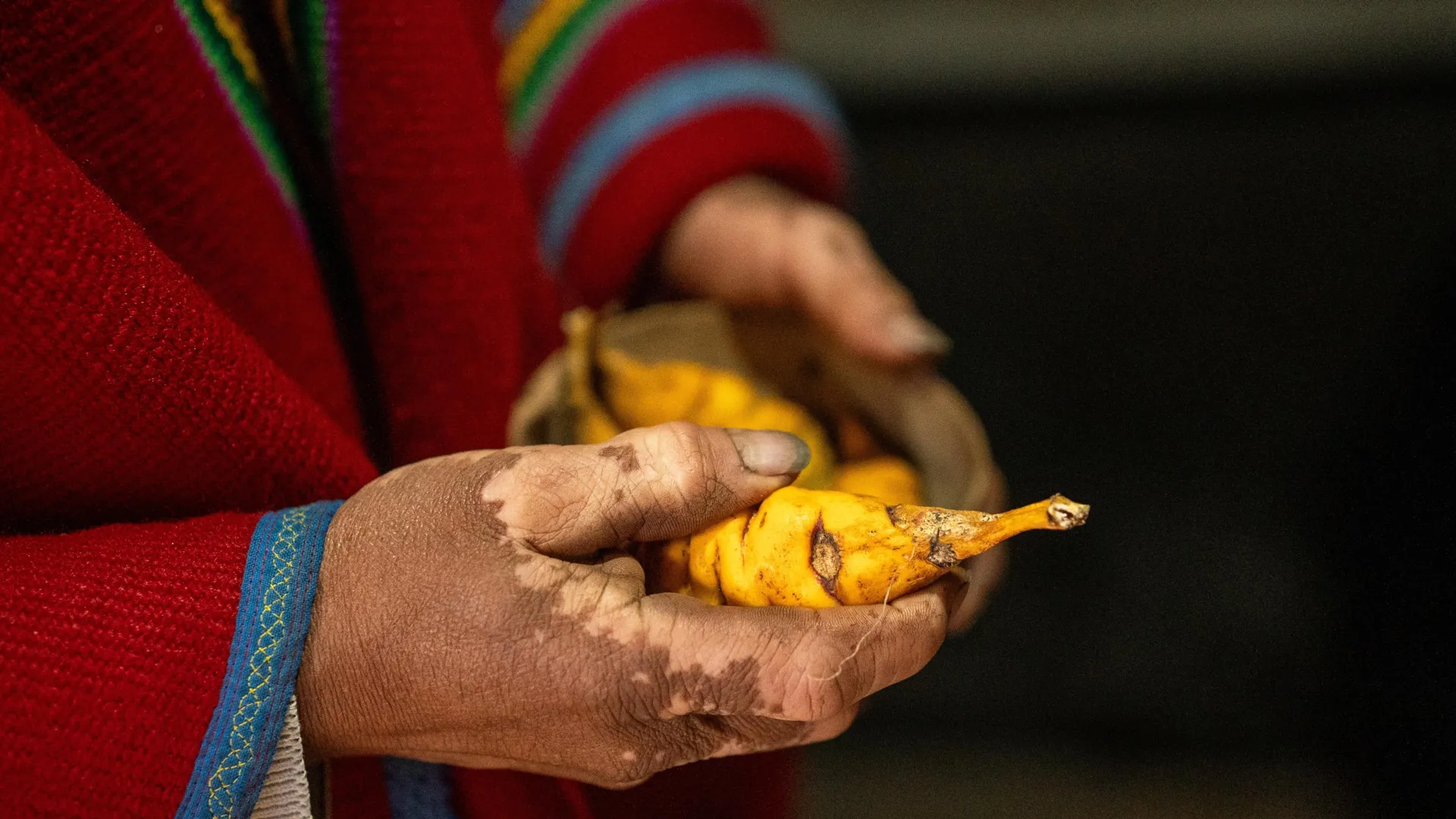
Indigenous Peruvians carry an unusually high number of copies of a gene that helps digest starch, a new study suggests — and the potato is likely to blame. Researchers found that communities in the Andes have far more AMY1 gene copies than most global populations, a trait scientists believe evolved as a direct response to the rise of potatoes as a dietary staple thousands of years ago. The discovery adds rare, clear evidence that human diets can drive rapid genetic change.
Scientists have long suspected that food shapes evolution, but direct proof is rare. Potatoes became a dietary cornerstone in the Andes around 7,000 years ago, offering a reliable, energy-rich food source in harsh mountain conditions. Those who could extract more energy from starchy foods may have had better survival and reproductive success, leading over generations to a population with enhanced starch-digesting abilities. Unlike many evolutionary theories, this one is backed by ancient DNA and modern genetic samples, giving researchers unusually strong confidence in the timeline.
The study, published in *Science Advances*, analyzed saliva samples from 1,100 people across 35 indigenous Andean groups. It found that many carry up to 18 copies of the AMY1 gene — far above the global average of around six copies. The highest concentrations appeared in communities whose ancestors relied most heavily on potatoes. Enzymes produced by AMY1 break down starch into sugars, making high-starch foods like potatoes more digestible. This genetic adaptation may have helped Andean populations thrive despite limited food options.
The findings underscore how deeply diet and evolution are connected. Unlike most genetic adaptations, which unfold slowly over millennia, this change appears to have happened relatively quickly — within a few thousand years. It also shows that cultural shifts, like adopting a new staple crop, can leave a lasting biological mark. For modern science, the study offers a rare window into how food shapes human biology, and it may even inform research into how other diets influence genetic diversity today.
Read Full Story at ScienceDaily →