NASA validates Umbra SAR data for climate research.
NASA confirmed Umbra’s SAR data meets high accuracy standards, crucial for monitoring Earth’s surface regardless of weather. This validates commercial satellites’ role in NASA’s climate research and d
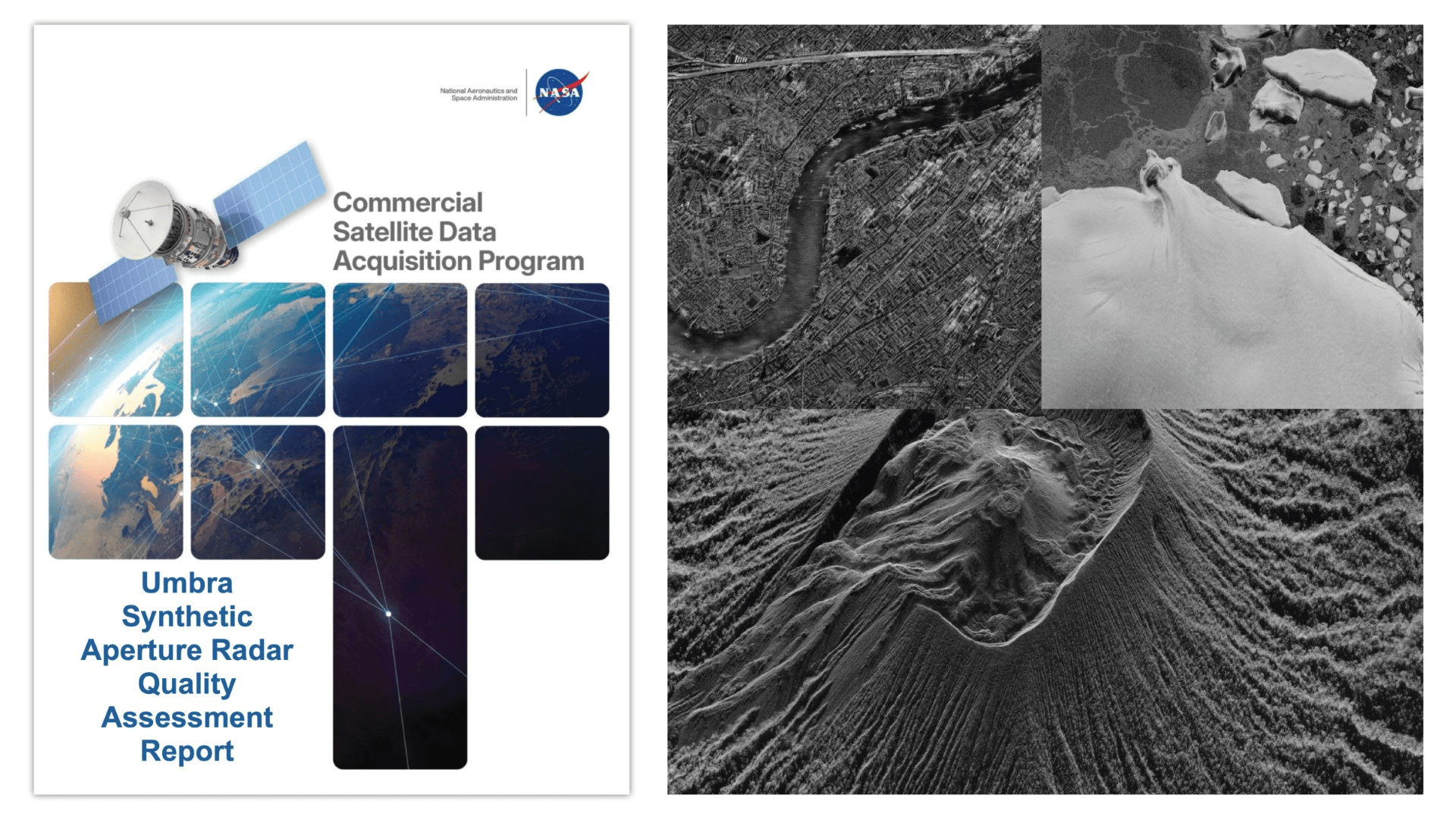
NASA has released new reports that confirm the high quality of Umbra’s synthetic aperture radar (SAR) data, marking another step forward in the agency
Read Full Story at NASA →Why This Matters
The validation of Umbra’s Synthetic Aperture Radar (SAR) data marks a pivotal moment for civilian and scientific remote sensing, demonstrating that commercial satellites can now rival traditional government-backed systems in precision and reliability. This development could democratize access to high-quality Earth observation data, potentially accelerating climate research while reducing dependence on costly, large-scale NASA missions.
Background Context
NASA’s investment in commercial satellite data reflects a broader shift toward public-private partnerships in space exploration, a trend accelerated by budget constraints and the rise of agile, cost-effective technologies. Historically, SAR data was dominated by specialized agencies due to its complexity, but advancements in machine learning and miniaturization have enabled private firms to compete—raising questions about the future balance of power in Earth observation.
What Happens Next
With Umbra’s SAR data now certified for NASA’s use, commercial providers may expand their offerings to include higher-resolution or more frequent observations, pressuring traditional satellite operators to innovate. Regulatory scrutiny over data standards and commercial access could intensify, while insurers and investors may recalibrate risk assessments for satellite-based climate monitoring ventures.
Bigger Picture
This milestone underscores the accelerating convergence of commercial space technology and scientific research, signaling a potential inflection point where private-sector innovation outpaces institutional capabilities. As climate monitoring becomes increasingly decentralized, the distinction between "public" and "private" data may blur—reshaping how governments, scientists, and even corporations approach global environmental challenges.