Philippe Ciais maps shrinking CO₂ absorption capacity
Philippe Ciais, the most cited climate scientist, advanced carbon tracking through forests and oceans, revealing shrinking CO₂ absorption capacity, crucial for meeting the 1.5°C target. His work shape
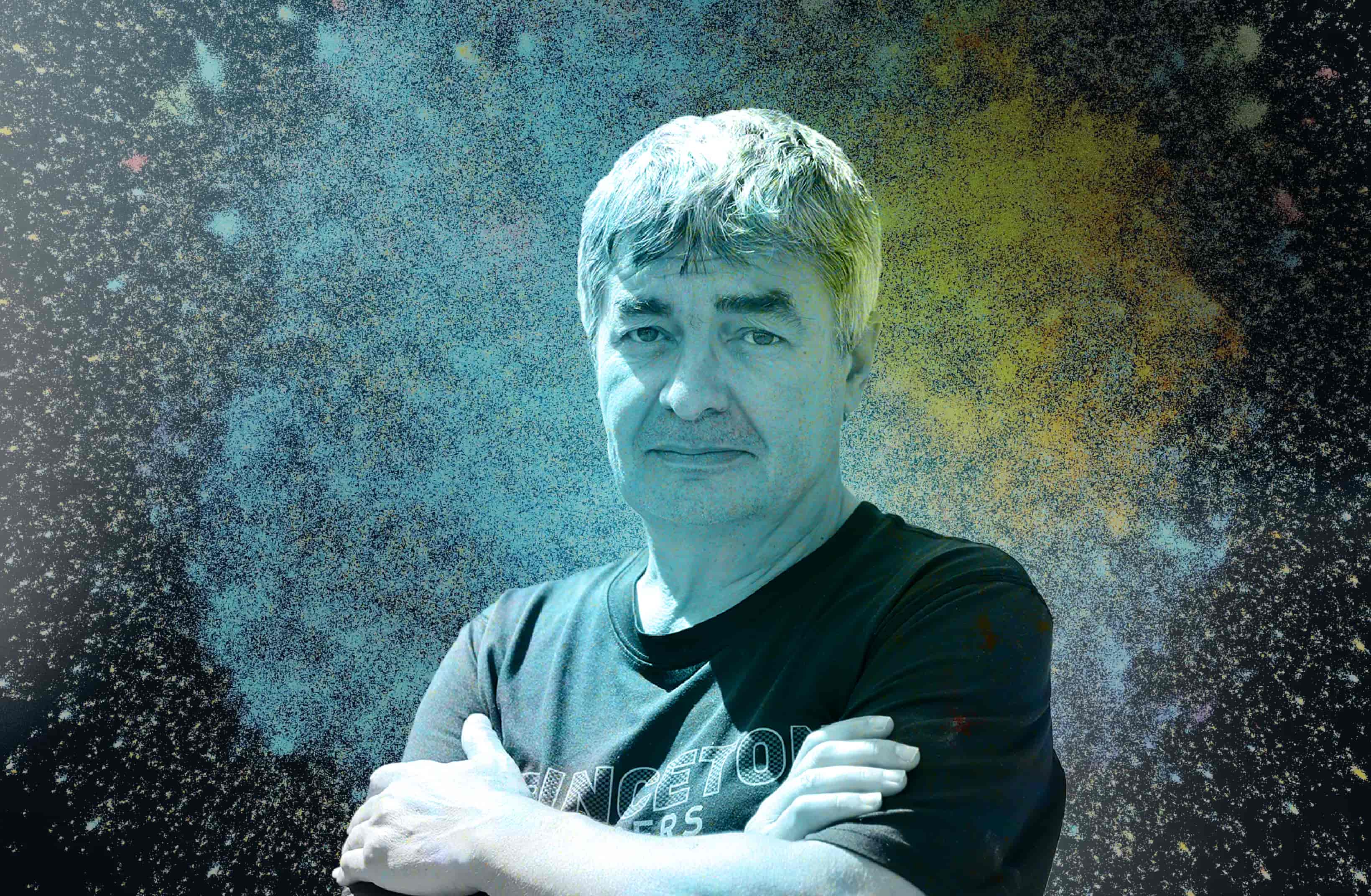
French researcher Philippe Ciais has become the world’s most cited climate scientist, according to Google Scholar’s career-citation ranking, after nea
Read Full Story at Carbon Brief →Why This Matters
The recognition of Prof. Philippe Ciais underscores a critical inflection point in climate science: the transition from understanding carbon sinks to actively managing their decline. His work exposes how natural systems—once considered reliable buffers against rising emissions—are now faltering at rates that outpace even the most pessimistic models. Without urgent intervention, this erosion of CO₂ absorption capacity could render the 1.5°C target a moving target, forcing policymakers to confront uncomfortable truths about the limits of technological optimism.
Background Context
Ciais’s breakthroughs emerged from a convergence of satellite data, ground-based measurements, and computational modeling, fundamentally reshaping how scientists quantify the Earth’s carbon cycle. Unlike earlier generations of climate research that treated forests and oceans as static players, his findings revealed their dynamic—and increasingly volatile—roles in absorbing excess carbon. This shift coincided with a geopolitical era where climate commitments, though proliferating, often outpaced verifiable action, leaving a gap between scientific precision and political will.
What Happens Next
Expect intensified scrutiny of carbon accounting methods as governments and corporations scramble to reconcile shrinking natural sinks with their net-zero pledges. The scientific community will likely pivot toward exploring "managed" carbon removal techniques—such as enhanced weathering or afforestation—as hedges against further sink degradation. Meanwhile, the debate over geoengineering’s role in compensating for lost absorption capacity will intensify, raising ethical and governance questions that lack clear international frameworks.
Bigger Picture
Ciais’s prominence reflects a broader trend: climate science is no longer just predictive but prescriptive, with researchers like him acting as de facto architects of global mitigation strategies. This evolution mirrors the growing realization that the 2020s will be a decade of crisis management, where incremental adjustments are insufficient. As natural carbon sinks deteriorate, the world faces a paradox—climate solutions must now account for the very systems they seek to protect.