Waste firms propose £5 vape deposit to cut litter
Waste firms propose a £5 deposit on vapes to reduce litter and fires, as current recycling efforts fail—only 20% are recycled, and discarded devices spark dangerous fires in waste trucks. Critics argue the fee could fuel black-market sales, but councils and recyclers say it’s needed to enforce proper recycling and recover valuable metals like lithium.
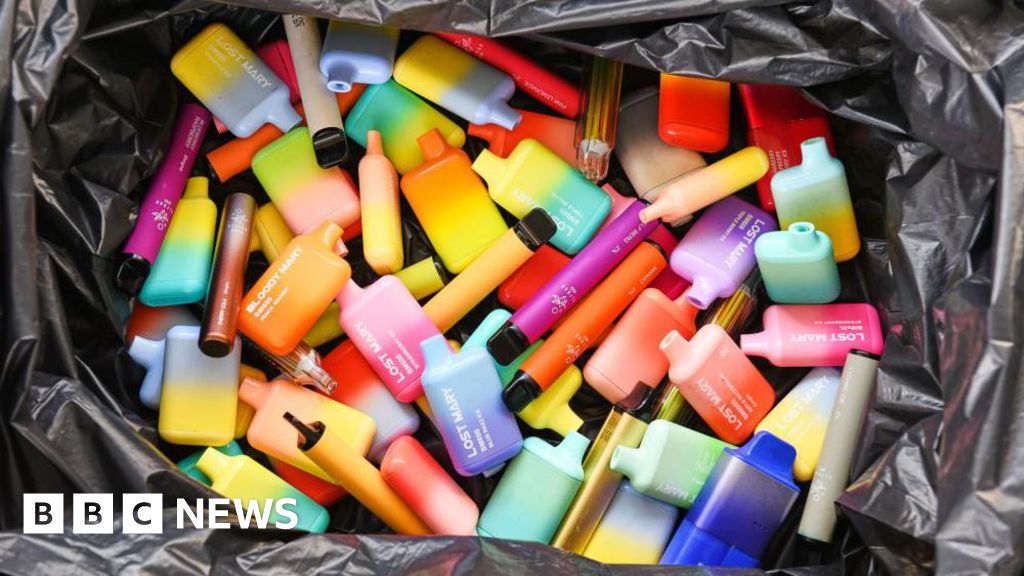
Waste companies are pushing for a £5 deposit on vapes to slash littering and fire risks, warning that last year’s ban on disposable models has failed to fix the problem. The Environmental Services Association (ESA), which represents firms like Biffa, wants a refundable fee added at purchase—returned when users recycle vapes properly. They argue the current system, where vapes can be dropped off at shops or recycling points, isn’t working because there’s no incentive to use it. With an estimated six million vapes still tossed in bins weekly—down from 8.2 million before the ban—waste operators say these lithium-battery devices are sparking fires in trucks and landfills while squandering rare metals like cobalt and lithium.
The proposal mirrors deposit schemes for bottles and cans but faces fierce opposition from parts of the vape industry. Critics, including the Independent British Vape Trade Association, warn a £5 charge would drive buyers to black-market sellers who skip the fee—and the safety rules. Meanwhile, local councils are calling for a crackdown on "reusable" vapes that dodge the ban with minor tweaks, like USB ports, but function like disposables. "The products causing fires today are the same disposables in a different shell," said Councillor Dr. Wendy Taylor of the Local Government Association. She wants Year Two of the ban to focus on enforcement, not just new rules.
Fire hazards and wasted resources are the twin crises driving the push. Vapes tossed in general waste often get crushed in collection trucks, damaging lithium batteries and triggering blaze—some so severe they destroy £250,000 vehicles. Even when they avoid fires, fewer than 20% of vapes are recycled, according to estimates, leaving valuable metals buried in landfills. The ESA’s Patrick Brighty called the status quo a "chronic waste," noting that existing take-back schemes at shops are "underperforming" without financial incentives. A deposit, he argues, would mirror successful programs for drink containers, where return rates top 90%.
The debate exposes a gap between policy and reality. While the disposable vape ban cut waste, it didn’t eliminate it—nor did it address the reusable-loophole products now flooding the market. With councils struggling to enforce recycling rules and waste firms footing the bill for fires, the £5 deposit idea frames the issue as one of behavior, not just regulation. But unless the government closes legal loopholes and cracks down on illicit sales, even a deposit might not stop the problem—just shift it underground. The question now is whether ministers will back the waste industry’s plan or let local authorities and fire brigades keep paying the price.