Experts link climate change to 2026 Himalayan floods, warn of future risks
Flash floods in the Himalayan region on August 26 killed over 50 people and destroyed around 200 homes, exacerbated by climate change and rising extreme rainfall. Experts warn that without improved f…
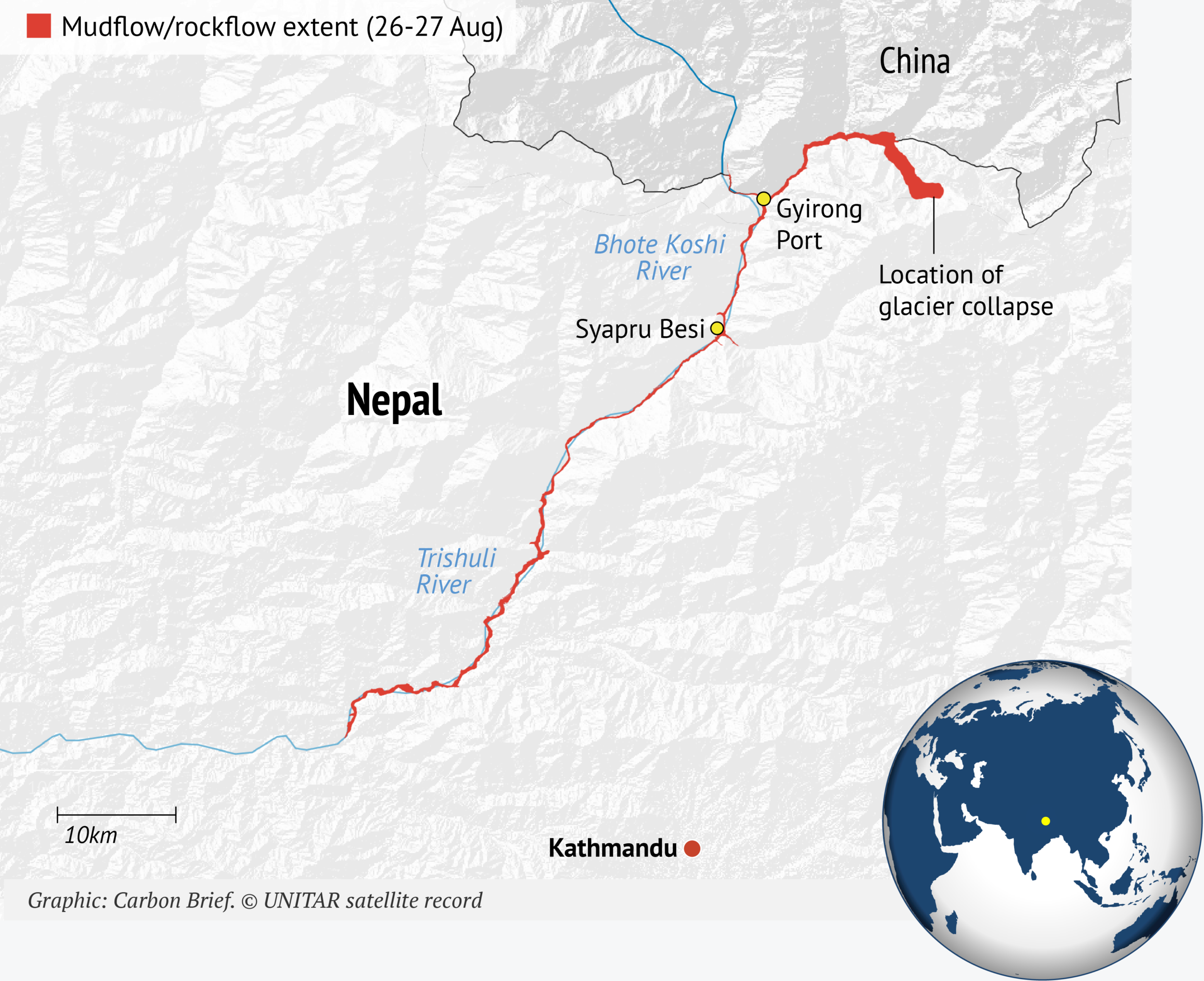
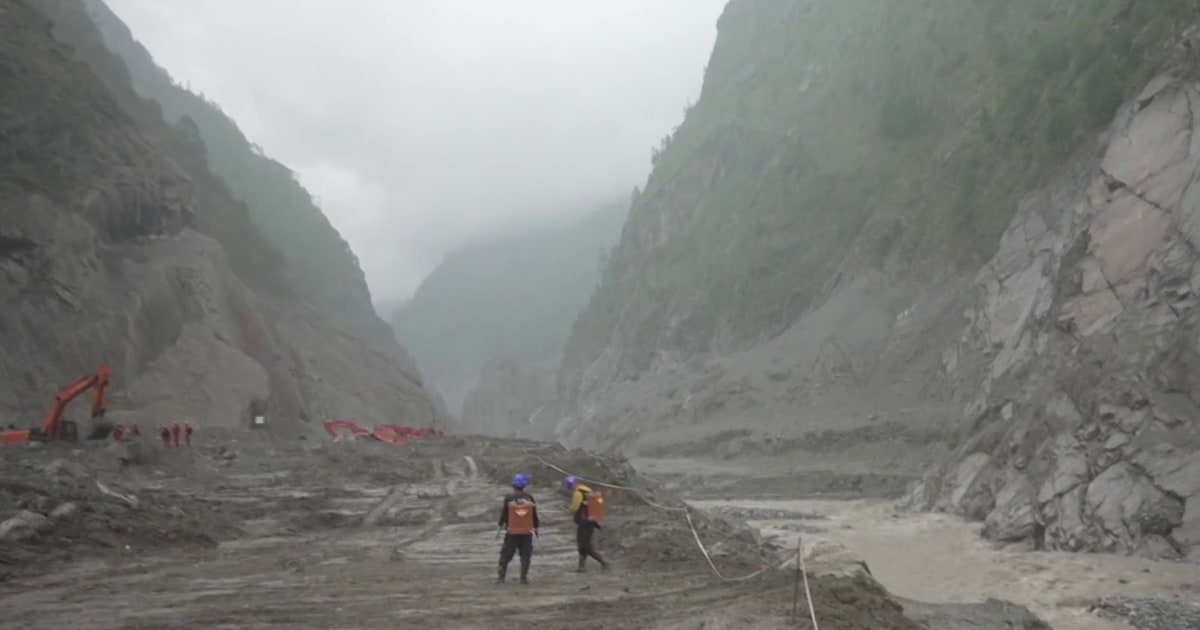
On the morning of 26 August, flash floods swept across the border region between Nepal and China’s Tibet. The sudden deluge struck villages in the remote Himalayan foothills, killing more than 50 people and destroying dozens of homes and roads. Rescue teams from both countries rushed in, but many residents were trapped in mud and collapsed bridges.
The floods come at a time when the Himalayas are experiencing record‑high temperatures and rapid glacier melt. Climate scientists say the warming climate is making monsoon rains heavier and more unpredictable. In the last decade, the region has seen a 30 % rise in extreme rainfall events, and the meltwater from shrinking glaciers adds extra water to rivers that can burst their banks in a single night.
Local officials report that roughly 200 homes were destroyed and 20 villages were flooded. The Nepalese army and the Chinese People’s Armed Police deployed helicopters and boats to reach isolated communities. The United Nations Office for the Coordination of Humanitarian Affairs called the incident a “tragedy” and urged international donors to support emergency relief. Scientists from the International Centre for Integrated Mountain Development say the flood is part of a growing pattern of climate‑linked disasters in the Himalayas, and they warn that the next monsoon could bring even more severe events.
The immediate priority is to secure safe shelter for survivors and restore basic services. Governments have pledged to rebuild damaged infrastructure with stronger flood defenses. The incident also highlights the need for long‑term climate adaptation plans. Experts argue that without significant investment in early‑warning systems and resilient construction, future floods could claim far more lives and disrupt food and water supplies for millions living in the mountain basin.
Read Full Story at Carbon Brief →