Remarkable US oil deal puzzles analysts - and angers many Venezuelans
From the moment elite US troops swooped into Nicolás Maduro's compound in Caracas to forcibly remove him from power in January, President Donald Trump made clear that securing control over Venezuela…

From the moment elite US troops swooped into Nicolás Maduro's compound in Caracas to forcibly remove him from power in January, President Donald Trump made clear that securing control over Venezuela's oil resources was a key goal of his administration.
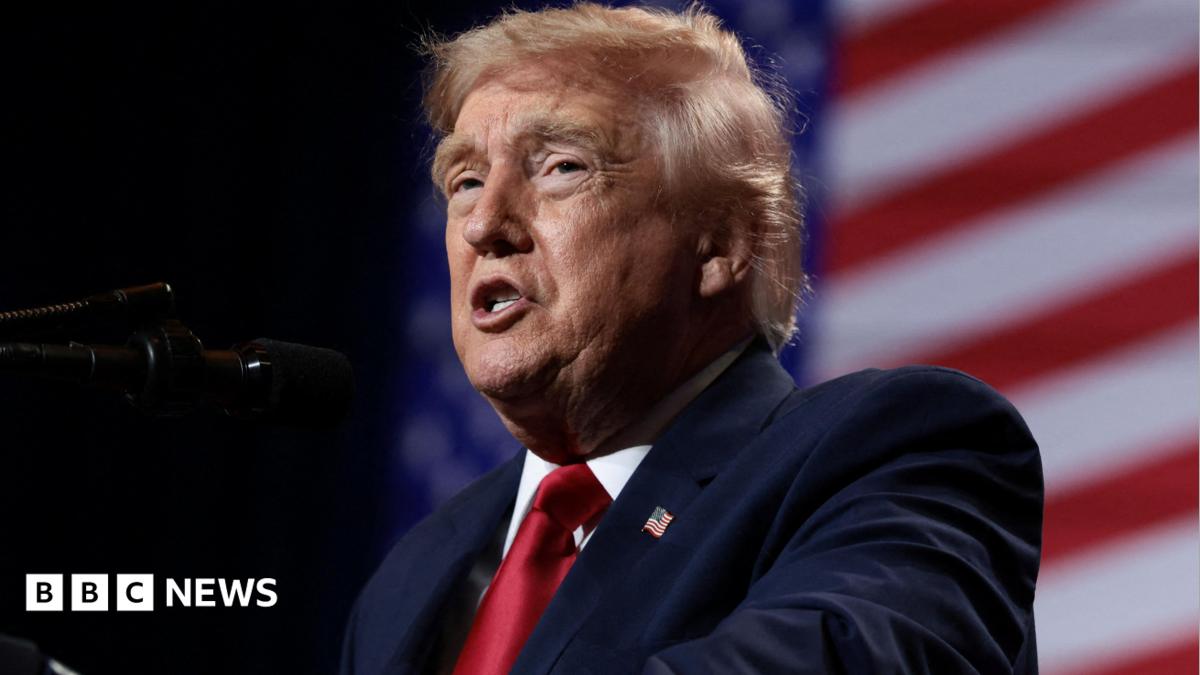
The United States would "run" Venezuela, he said at the time, and manage the sale of Venezuelan oil for the foreseeable future.
The signing of a huge US-Venezuela oil deal in Caracas on Wednesday marks the fruition of that plan. The agreement grants a US-led company 100-year concessions over 17 oilfields in Venezuela, amounting to a staggering 65 billion barrels of crude. That equates to more than a fifth of the country's proven oil reserves.
Beyond the eye-watering numbers, both sides heralded the deal as good for their respective nations.
President Trump called it "the biggest oil deal in world history", while the interim Venezuelan President, Delcy RodrÃguez, said the agreement was "historic", and would generate $100bn (£74bn) in investment and more than $200bn in tax revenue.
"This is a terrible deal. [RodrÃguez] has given away 20% of the national patrimony for nothing," said Trump's former special representative on Venezuela and Iran, Elliott Abrams. "I think she is simply complying with the demands she's getting from Washington."
On Tuesday, the White House released a fact sheet which set out some details of the deal's framework. The US government will work alongside a private business in Venezuela called North American Blue Energy Partners (Nabep), the second largest private oil producer in Venezuela after Chevron.
One extraordinary detail of how the Trump administration will work with Nabep is that the US government will have "veto power over the appointment of any member of the board of directors, and a majority of Nabep's board of directors must be US citizens".
Read Full Story at BBC World News →