New York health department finds no link between Seneca Meadows landfill and lung cancer
New York’s health department found no evidence linking Seneca Meadows landfill to elevated lung cancer rates in nearby communities, attributing higher cases to smoking, poverty, and healthcare access.
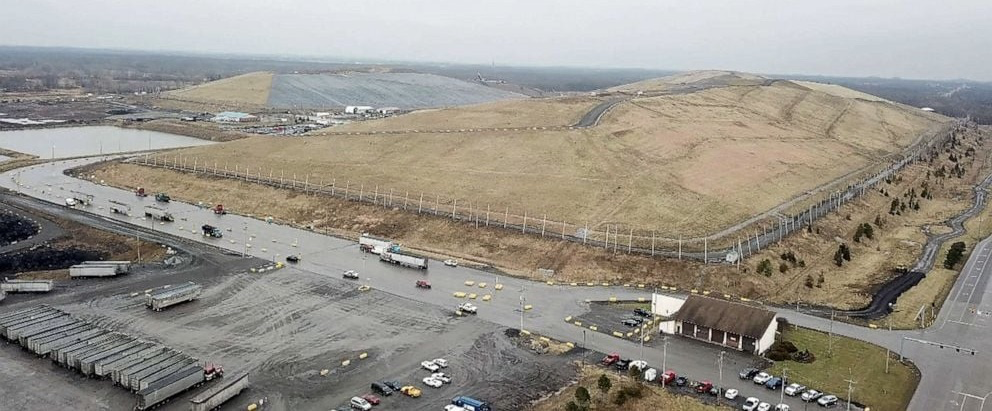
New York’s state health department has cleared Seneca Meadows Inc., the state’s largest landfill, of causing elevated lung cancer rates in nearby comm
Read Full Story at Inside Climate News →Why This Matters
The dispute over Seneca Meadows landfill encapsulates a growing national tension between environmental justice advocates and regulatory bodies, where scientific findings often clash with public perception shaped by lived experience. When health departments declare no causal link between toxic sites and disease, they risk undermining decades of trust in institutions already viewed as slow to act on behalf of marginalized communities. This case could set a precedent for how future environmental health disputes are resolved—or how they continue to simmer unresolved.
Background Context
Seneca Meadows, New York’s largest landfill, has operated for decades under permits that critics argue prioritize waste disposal over long-term environmental and public health. The landfill sits in a region already burdened by industrial pollution, including Superfund sites and legacy industrial contamination, creating what researchers call a "cumulative impact zone" where risks compound rather than exist in isolation. Local activists have long pointed to elevated cancer rates as evidence of harm, while industry groups and some regulators counter that correlation does not equal causation.
What Happens Next
The health department’s findings are unlikely to silence opposition, as past experience shows such reports often deepen skepticism rather than resolve it. Legal challenges or additional studies could emerge, particularly if community groups secure independent funding for their own research. Meanwhile, pressure on state and local officials to address environmental disparities in underserved areas may intensify, potentially reshaping how New York evaluates industrial risks in the future.
Bigger Picture
This case reflects a broader pattern where environmental health controversies hinge less on scientific consensus and more on who controls the narrative—and who gets to define what counts as "evidence." Across the country, communities near landfills, chemical plants, and waste sites are increasingly rejecting official assurances in favor of their own data, often highlighting systemic gaps in how risks are assessed and communicated. The outcome here could influence whether future disputes are resolved through science alone or through a more inclusive, community-driven process.


