Iran stages Khamenei funeral to defy West
Iran used Khamenei’s funeral to publicly display defiance against the West, while many Iranians privately protested economic hardship and oppression. The staged spectacle aimed to elevate Khamenei’s s
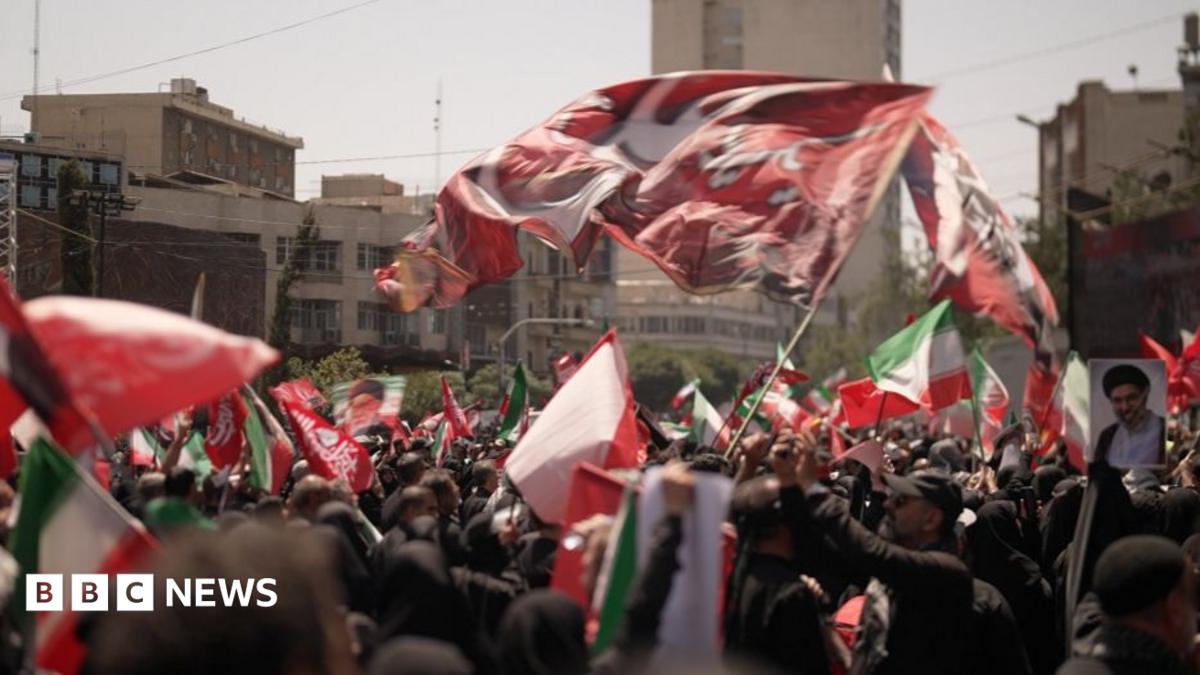
Iran staged a high-stakes farewell to Supreme Leader Ayatollah Ali Khamenei on Monday, turning three days of mourning into a choreographed show of def
Read Full Story at BBC World News →Why This Matters
The funeral of Iran’s Supreme Leader Ayatollah Ali Khamenei served as more than a national mourning ritual—it was a calculated display of ideological defiance in an era of escalating regional tensions. By weaponizing grief as a form of geopolitical messaging, Tehran reinforced its narrative of resistance, even as domestic discontent simmered beneath the staged spectacle of unity.
Background Context
Khamenei’s four-decade rule has been marked by a paradox: unyielding resistance to Western influence interwoven with deep economic dependence on trade with adversaries like China and Russia. The regime’s survival strategy has long relied on blending coercion with theatrical displays of loyalty, yet recent protests over inflation and repression reveal fractures in its carefully constructed legitimacy.
What Happens Next
The funeral’s choreographed grandeur may temporarily quell internal dissent, but it also risks further isolating Iran internationally if perceived as a provocation. The real test will come in how the regime balances its need for external defiance with the growing urgency of domestic economic crises—and whether disillusioned citizens see through the spectacle.
Bigger Picture
This moment underscores a broader trend among authoritarian regimes: the fusion of spectacle and survival in an age of global scrutiny. As Iran doubles down on its resistance narrative, it mirrors tactics used by other embattled regimes—from Moscow’s choreographed displays of unity to Beijing’s tightly controlled mourning rituals—each aiming to project strength while masking internal fragility.