Human rights groups accuse Israel of war crime in journalist's death
Human rights organizations have called an Israeli airstrike in southern Lebanon, which killed journalist Amal Khalil and injured Zeinab Faraj, a potential war crime, urging an independent investigati…
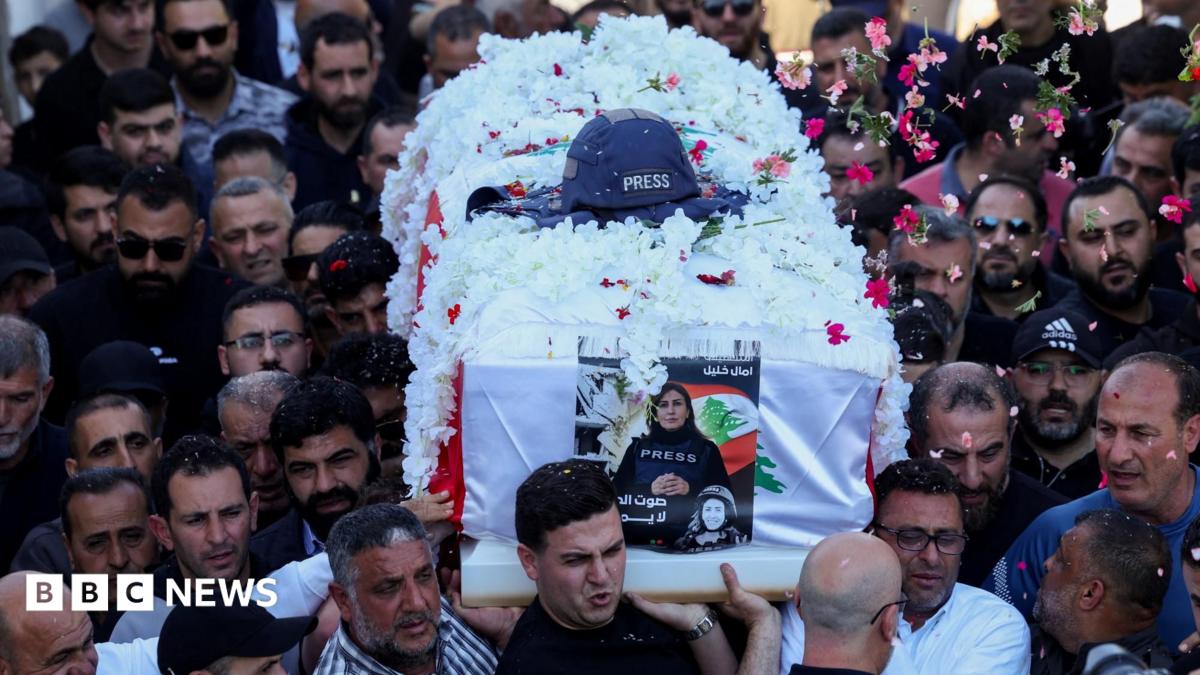
Two human rights organizations have labeled an Israeli attack in southern Lebanon a potential war crime after it resulted in the death of Amal Khalil, a reporter for al-Akhbar newspaper, and left freelance camera operator Zeinab Faraj critically injured. The incident occurred in the town of al-Tiri on April 22, during the journalists’ coverage of the conflict. Human Rights Watch and Amnesty International have called for an independent investigation and urged Lebanon to accept the jurisdiction of the International Criminal Court.
The attacks come amid heightened tensions in the region, as Israeli forces target operatives of the armed group Hezbollah. The Israeli military denied any intention to strike the journalists, stating that the three airstrikes aimed at Hezbollah members. However, rights groups argue that evidence shows a pattern of attacks against journalists during military operations. “Amal Khalil and Zeinab Faraj are the latest victims in a long series of such attacks,” said Ramzi Kaiss, a Lebanon researcher at Human Rights Watch.
According to HRW, the first strike hit a vehicle driving in front of Khalil and Faraj, killing two men they knew. The journalists fled to seek shelter in a nearby building, where they called for help. A subsequent strike hit their parked car, injuring Khalil, and a third strike destroyed the building they had taken refuge in. Eyewitness accounts indicated that Israeli drones monitored the journalists throughout the attack, increasing their fear of imminent violence.
After the attacks, a Lebanese Red Cross team attempted to reach Khalil and Faraj but was hindered by drone-delivered stun grenades, forcing them to retreat without providing assistance. The situation raises serious concerns about the safety of journalists in conflict zones and the accountability of military forces for civilian casualties. As demands for an investigation grow, the incident underscores the urgent need for protections for reporters working in dangerous environments.
Read Full Story at BBC World News →