Robotic Servicing Mission Launches with NASA Support
Following its liftoff from Cape Canaveral on July 21 aboard a SpaceX Falcon 9 rocket, the Mission Robotic Vehicle (MRV) hosting the NASA-supported Robotic Servicing of Geosynchronous Satellites (RSGS)
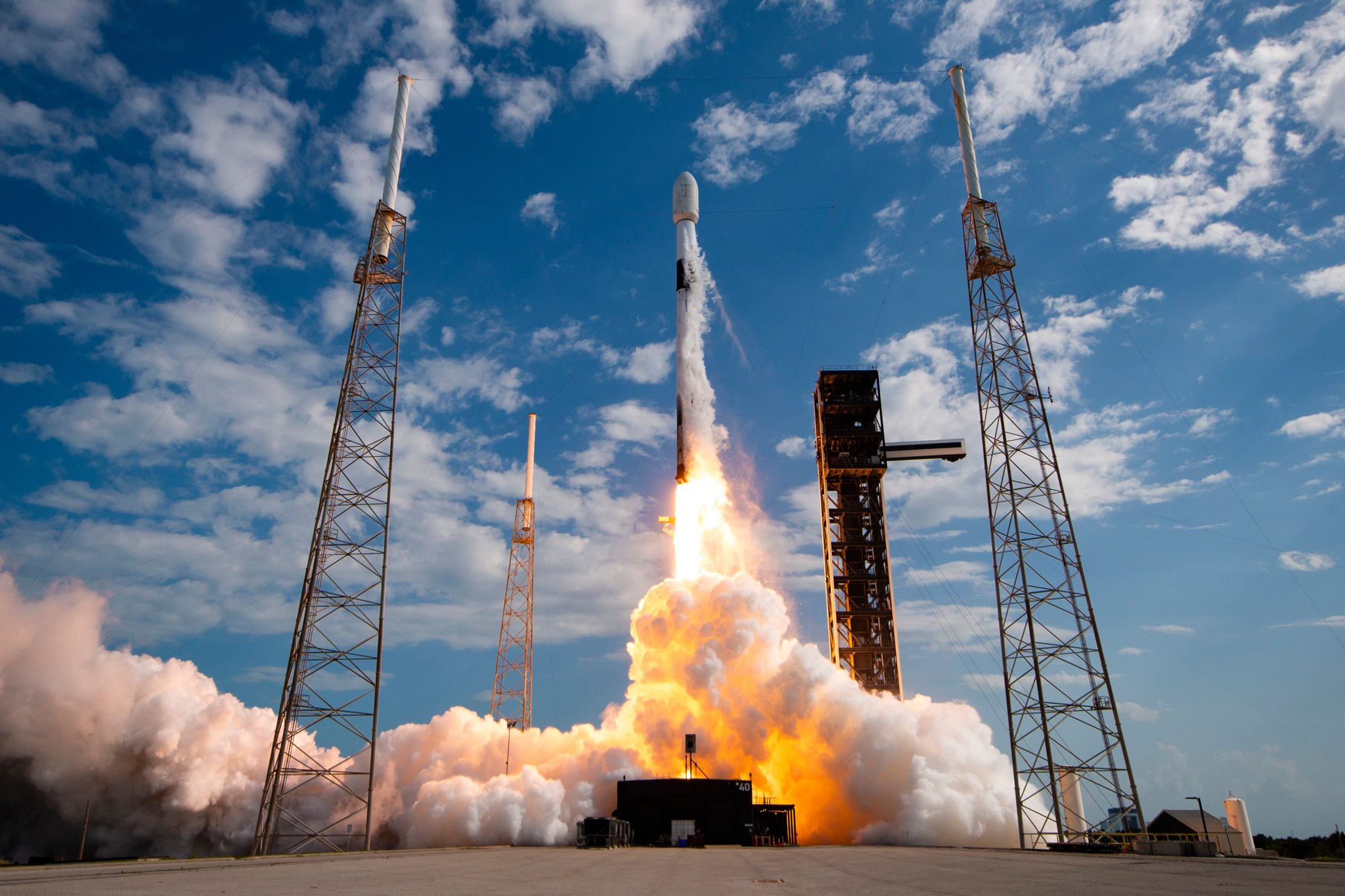
Following its liftoff from Cape Canaveral on July 21 aboard a SpaceX Falcon 9 rocket, the Mission Robotic Vehicle (MRV) hosting the NASA-supported Rob
Read Full Story at NASA →Why This Matters
The launch of the Mission Robotic Vehicle represents a significant step forward in the realm of satellite servicing and maintenance, showcasing advancements in autonomous technology that could revolutionize how we manage space assets. With the increasing reliance on satellites for communications, navigation, and data collection, enhancing their longevity and functionality through robotic servicing is crucial for sustaining global infrastructure.
Background Context
Historically, satellite servicing has been a complex and costly endeavor, primarily reliant on human-operated missions. NASA's support for the Robotic Servicing of Geosynchronous Satellites program highlights a shift towards leveraging robotic capabilities, reflecting a growing recognition of the need for innovative solutions to address the challenges posed by aging space technology.
What Happens Next
As the Mission Robotic Vehicle undergoes its operational testing, key developments to monitor include the effectiveness of its servicing capabilities and the potential partnerships that may emerge between governmental and commercial sectors. The success of this mission could pave the way for future initiatives aimed at expanding robotic servicing technologies and enhancing the sustainability of space operations.
Bigger Picture
This mission aligns with a broader trend of increasing investment in space infrastructure and technology, highlighting a shift towards sustainable practices in an era of growing satellite congestion in orbit. As nations and private companies continue to launch satellites, the ability to service and upgrade them in space will be essential for maintaining operational efficiency and addressing the environmental challenges associated with space debris.