Romania shuts Cernavodă nuclear plant due to low Danube River levels
Romania has shut down its only nuclear power plant, Cernavodă, due to critically low water levels in the Danube River, which are the lowest in 30 years. This shutdown, lasting at least ten days, will…
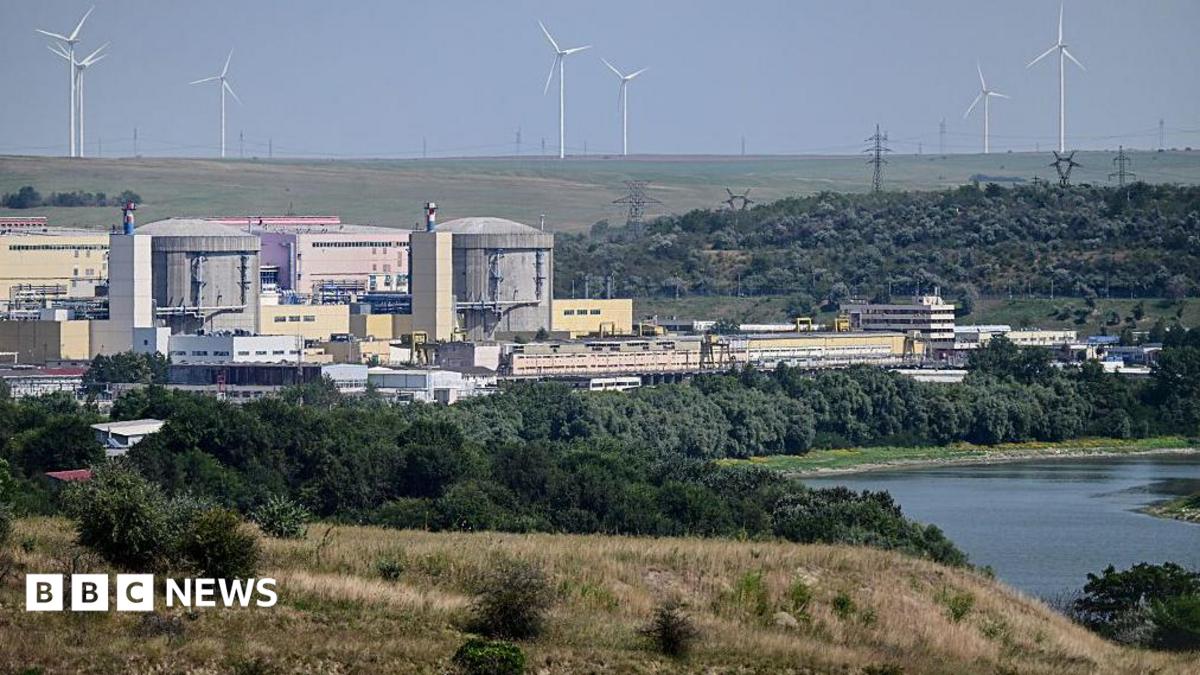
Romania has shut down its only nuclear power plant, Cernavodă, due to critically low water levels in the Danube River caused by an extended heatwave affecting much of Europe. The shutdown occurred on Thursday, with the second of the plant's two reactors disconnected from the electricity grid just before midday. This facility accounts for about 20% of Romania's electricity generation and is not expected to resume operations for at least ten days.
The decision to halt operations comes as the Danube's water level has dropped to its lowest in 30 years, impacting cooling systems at the nuclear plant. Earlier this week, authorities made efforts to mitigate the situation by sinking barges loaded with rocks in the river to increase water flow. However, the plant's director, Romeo Urjan, confirmed that the suction nozzles used to draw in water for cooling could not reach the river's surface due to the low levels. This is the first significant shutdown for Cernavodă since 2003, when it was offline for routine maintenance.
While Romania faces a power shortfall, neighboring Hungary has so far avoided a similar crisis at its Paks nuclear plant, which also relies on the Danube for cooling. However, Hungarian Prime Minister Péter Magyar has warned that the Paks facility, which has four reactors, may be forced to shut down entirely if conditions do not improve. The lack of nuclear power in Romania will likely lead to increased reliance on solar and wind energy during the day, but traditional coal and gas generation will need to be supplemented by imports during peak evening hours.
The current heatwave, exacerbated by climate change, is not just impacting energy generation; it is also affecting agriculture and other sectors across Europe. Italy's Coldiretti estimates that climate-related damage could surpass €3 billion, while France's Environment Minister warned that the economic costs from recent heatwaves could range from €10 billion to €15 billion. As Europe grapples with these challenges, the European Commission and the International Monetary Fund have revised growth forecasts downward, highlighting the broader economic implications of this extreme weather.
Read Full Story at BBC World News →