Russia allows individual athletes to compete in 2028 LA Olympics
Russia’s athletes may compete as individuals in the 2028 LA Olympics if they pass doping tests, after the IOC lifted its blanket ban. This shift separates athletes from their government’s actions, des
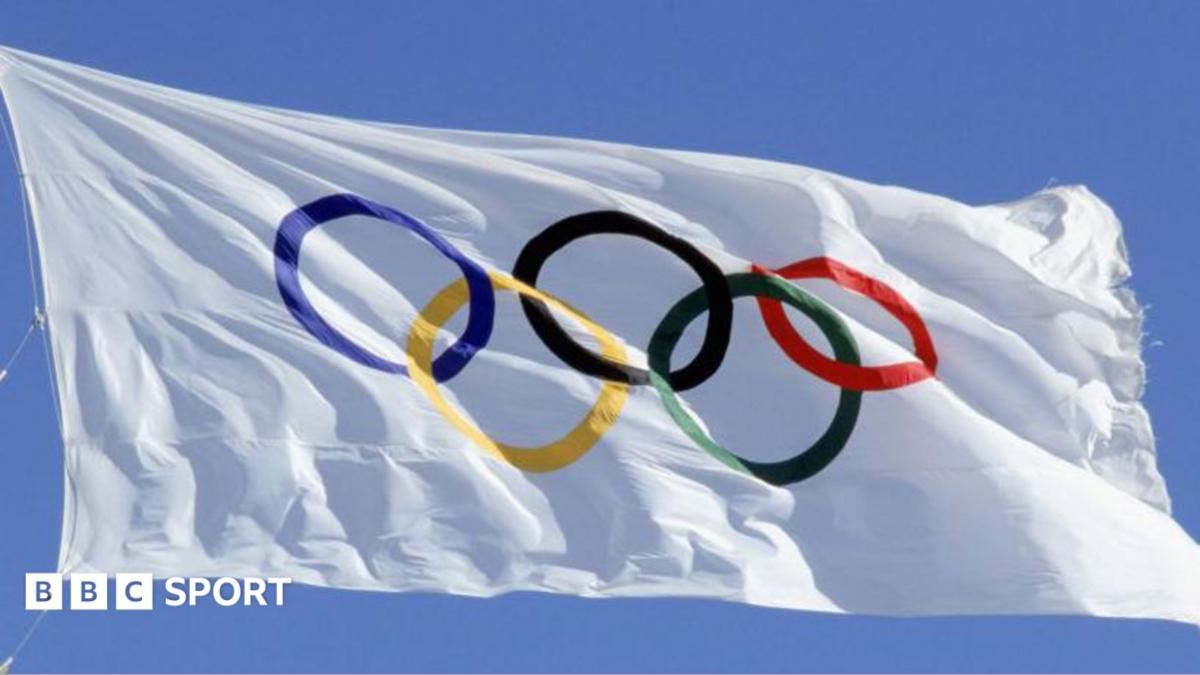
Russia could be back at the 2028 Los Angeles Olympics—and this time without the blanket ban that kept its athletes out of team events since the war in
Read Full Story at BBC Sport →Why This Matters
The International Olympic Committee’s decision to consider Russian athletes for individual participation in Los Angeles 2028 signals a tacit acknowledgment that sport can transcend geopolitical disputes—even as those disputes intensify. It also tests the delicate balance between athletic integrity and the realities of global conflict, raising questions about whether sports governing bodies are inadvertently legitimizing regimes that flout international norms.
Background Context
Russia’s systematic doping scandal, exposed in 2016 through whistleblower testimony and data leaks, led to a years-long suspension from major competitions, including the 2018 PyeongChang Winter Games and the 2020 Tokyo Olympics under a "neutral athlete" banner. The sanctions were not just about fair play but reflected a broader condemnation of state-sponsored doping programs, which investigations confirmed involved multiple government agencies.
What Happens Next
The IOC’s framework will likely trigger a new wave of scrutiny over the next two years, as Russian athletes—now competing as "Individual Neutral Athletes" (AINAs)—face heightened doping controls and public skepticism. Political pressure from Western nations could push the IOC to impose additional conditions, while Russia may leverage participation to soften its international isolation. The precedent set here may also influence how other banned regimes approach future Olympic cycles.
Bigger Picture
This decision reflects a growing trend where sports institutions prioritize athletic opportunities over broader political accountability, mirroring how major tournaments like the FIFA World Cup or UEFA Champions League have accommodated controversial regimes. It also underscores the tension between the Olympics’ humanitarian ideals and the commercial imperatives of a globalized sporting industry, where access to elite competition often outweighs ethical considerations.