Russian strikes kill 24 in Kyiv before NATO summit
Russia killed 24 in Kyiv with missile and drone strikes just before NATO’s summit, where Zelensky sought stronger air defense support. The attack showed Russia’s escalation to weaken Ukraine’s positio

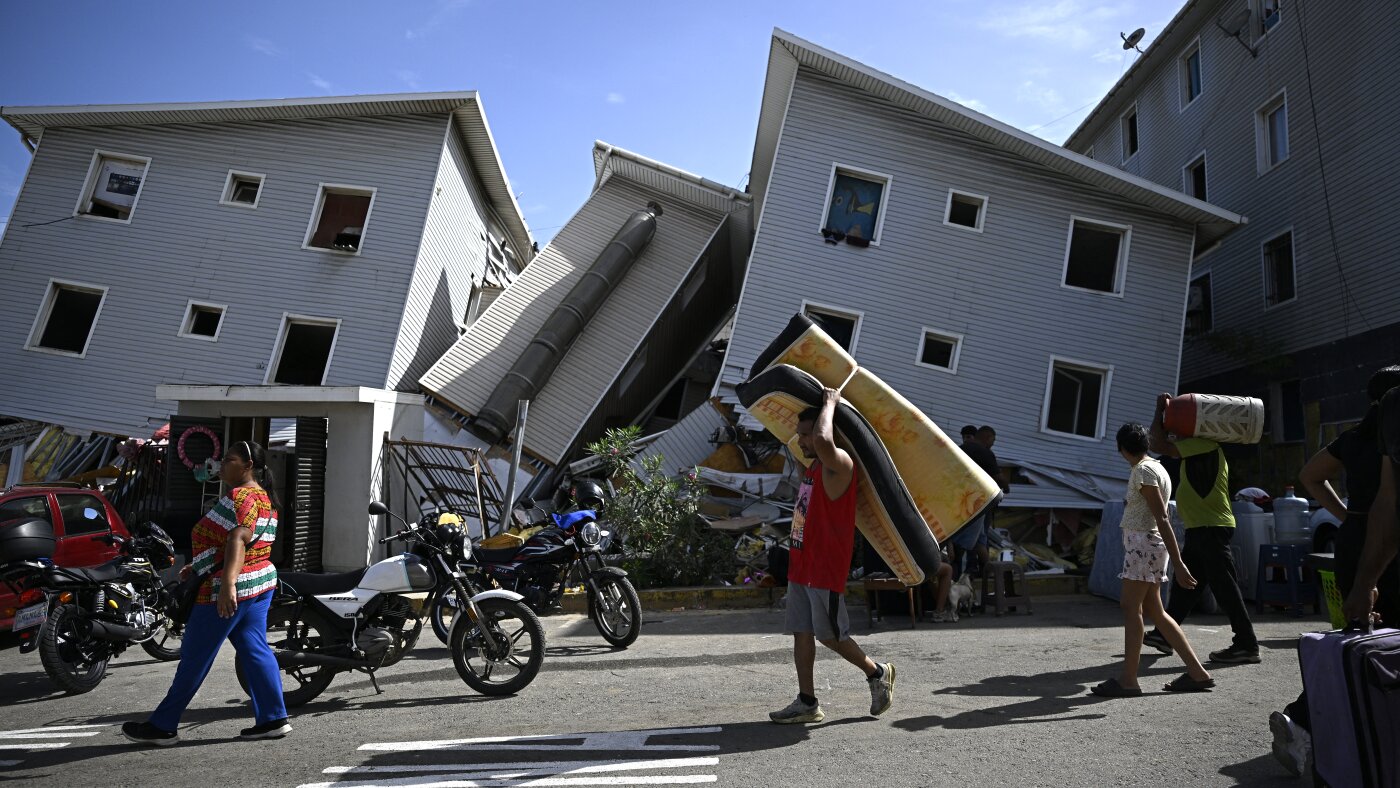
Russia launched a barrage of missiles and drones on Kyiv on Monday, killing at least 24 people and wounding more than 100 in the capital’s second majo
Read Full Story at France 24 →Why This Matters
The timing of Russia’s strikes—just before NATO’s summit—reveals a calculated strategy to undermine Ukraine’s diplomatic leverage by demonstrating Moscow’s ability to inflict mass casualties in the heart of Kyiv. This escalation forces Western leaders to confront a brutal reality: even as alliances strengthen in words, the battlefield remains a stark reminder of the human cost of delayed or insufficient support.
Background Context
Kyiv has faced intermittent but increasingly frequent rounds of missile and drone attacks since Russia’s full-scale invasion, but this strike was the deadliest in months, signaling a shift in tactics as Moscow exhausts its stockpiles of precision-guided munitions. Russia’s targeting of residential and infrastructure sites reflects a deliberate effort to erode public morale while testing the resilience of Ukraine’s air defense systems, which rely heavily on NATO-supplied systems like Patriots and Iris-T.
What Happens Next
The attack will likely intensify pressure on NATO members to accelerate arms deliveries, particularly air defense systems, as Zelensky seeks concrete commitments rather than rhetorical support. Meanwhile, Russia may continue probing Kyiv’s defenses in the coming weeks, gambling that Western fatigue or political divisions will slow Ukraine’s ability to replenish depleted stockpiles.
Bigger Picture
This strike underscores a widening gap between Ukraine’s urgent battlefield needs and the West’s cautious, often reactive approach to military aid, which has struggled to keep pace with Russia’s evolving tactics. It also highlights how Russia’s hybrid warfare—combining military strikes with cyberattacks and disinformation—has become a persistent, low-cost tool to destabilize Ukraine’s position ahead of critical summits.