Russian Il-20M drops sonar buoys near UK’s *Queen Elizabeth*
A Russian Il-20M spy plane dropped sonar buoys in the path of the UK's *Queen Elizabeth* aircraft carrier to track its movements and gather intelligence. This tests NATO's response to Russian harassme
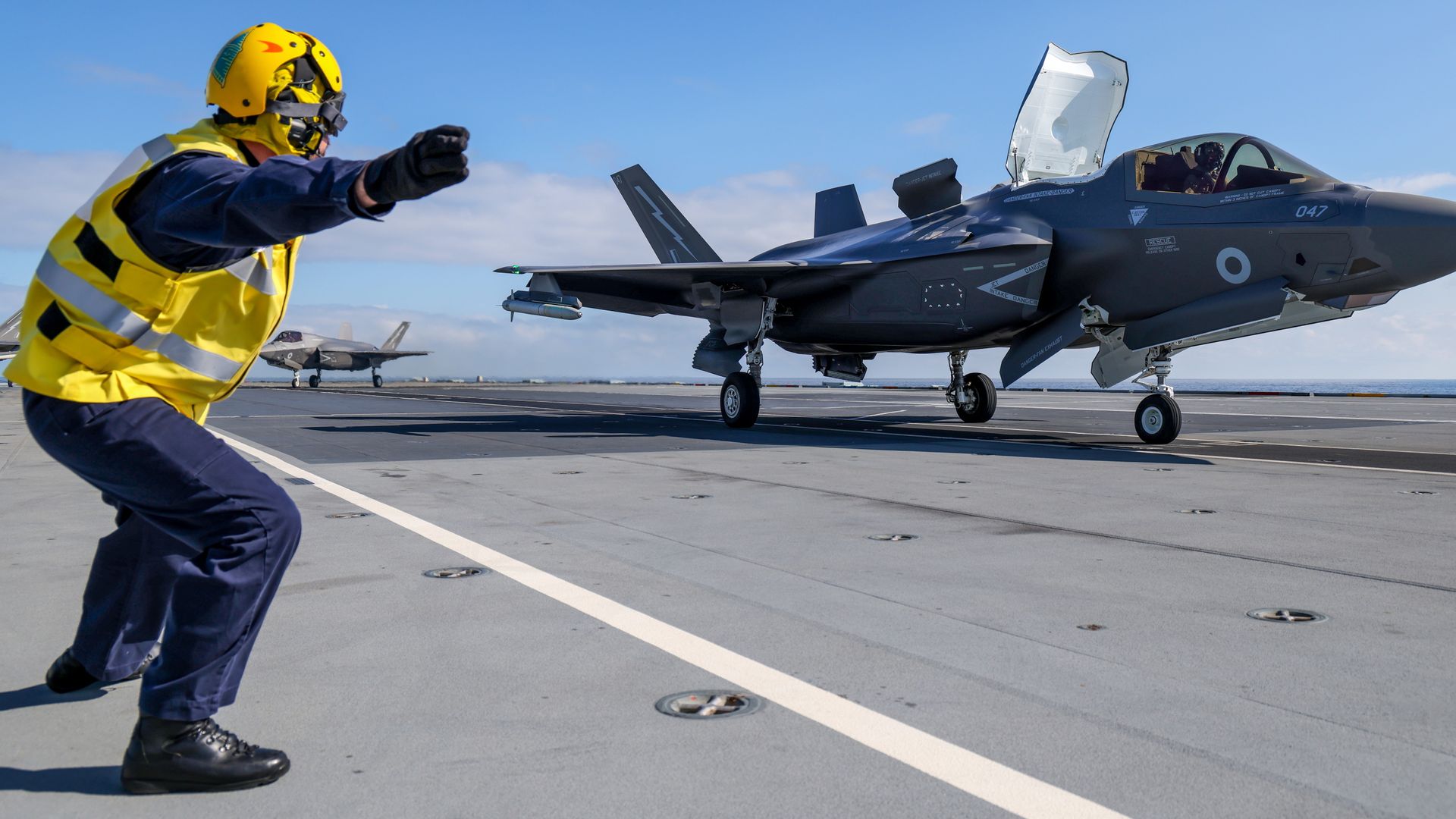
A Russian spy plane dropped tens of sonar devices in the path of the UK’s flagship aircraft carrier *Queen Elizabeth* last week, forcing RAF Typhoons
Read Full Story at Sky News →Why This Matters
This incident underscores Moscow’s persistent use of asymmetrical tactics to probe NATO’s defenses, testing the alliance’s resolve in an era where hybrid warfare blurs the line between peace and conflict. By deploying sonar trackers—typically used in submarine surveillance—the Russian aircraft not only collected real-time data on the *Queen Elizabeth* but also probed the carrier’s escort capabilities, including the Royal Navy’s response time and coordination with allied forces.
Background Context
Russia has a long history of using maritime reconnaissance flights to monitor NATO movements, dating back to Cold War-era tensions, but these operations have intensified since Moscow’s 2014 annexation of Crimea. The Il-20M, a modified passenger jet repurposed for electronic intelligence, is a staple of Russian aerial espionage, often operating in international airspace near NATO’s northern flank. Meanwhile, the *Queen Elizabeth* carrier strike group’s deployment in the North Atlantic is part of the UK’s post-Brexit pivot toward a more assertive global naval posture.
What Happens Next
NATO will likely accelerate its counter-surveillance drills, particularly in the Baltic and North Atlantic, where Russian probes are most frequent. Diplomatically, expect a formal protest from London to Moscow, though tangible retaliation—such as increased sanctions or military posturing—may be tempered by broader efforts to avoid escalation. The incident also raises questions about whether the UK will enhance its own airborne early warning systems to detect and deter such shadowing maneuvers.
Bigger Picture
This episode fits a pattern of Russian probing across Europe, from cyberattacks in the Baltics to drone incursions over the Black Sea, all designed to exploit perceived NATO vulnerabilities. As Western militaries face budget constraints and shifting priorities, Moscow may increasingly test conventional deterrence, betting that even minor provocations will fray alliance cohesion. For NATO, the challenge is balancing firmness with de-escalation—a tightrope walk that grows more precarious with each close encounter.