Russians purchase new apartments in war-torn Mariupol, raising concerns
Russians are rapidly buying new apartments in Mariupol, replacing buildings destroyed during the war, with many new residents being security personnel and military workers attracted by low mortgage r…
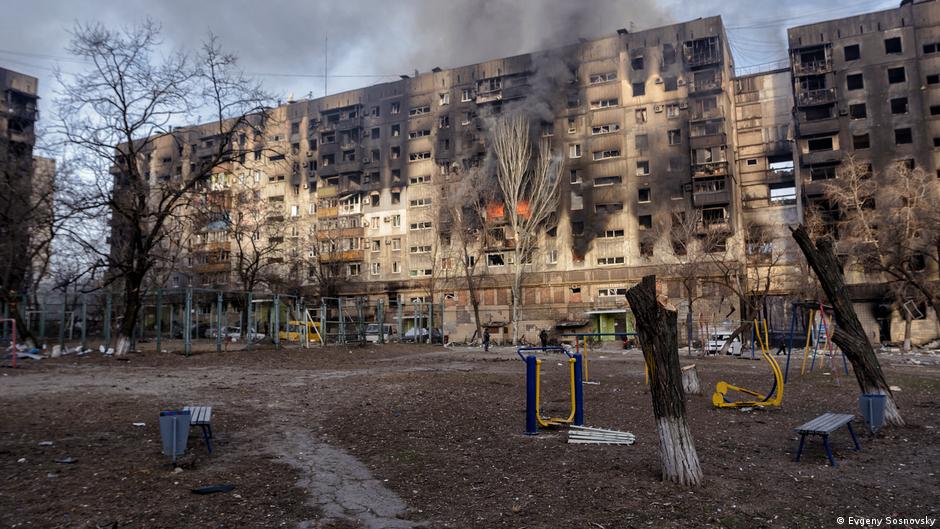
Russians are rapidly purchasing new apartments in Mariupol, a city that suffered extensive destruction during the war with Ukraine. The new residential complex, known as Leningradsky Kvartal, has replaced buildings that were destroyed by missile strikes in March 2022. This development is part of a broader effort by Russian authorities to reshape the occupied areas of Ukraine.
The construction of these high-rise buildings has drawn criticism from former residents, who see the new developments as a blatant attempt to erase the memory of the violence that took place. Halyna Artemova, a former resident of Metallurgy Avenue, expressed her sorrow over the loss of her home, which now stands as a parking lot. Similarly, photographer Yevhen Sosnovsky lamented the construction on what he calls "human bones." Their sentiments reflect a deep connection to the city, which is now being transformed to accommodate newcomers, primarily Russian citizens.
Many of the new residents are reportedly Russian security personnel, military logistics workers, and others attracted by the low-cost housing options available in the area. The Russian government is offering enticing mortgage deals, with interest rates as low as 2% for those who qualify for Russian citizenship. This financial incentive is expected to draw more people to the occupied regions, where the maximum loan amount is 6 million rubles, or approximately $72,000.
Online neighborhood forums reveal that many of the new residents are eager to settle in and share practical advice, such as sourcing furniture from Russia or selecting schools for their children. However, the discussions also highlight tension among these newcomers, with some residents expressing frustration over ongoing renovations and others questioning their neighbors' loyalties. The shift in population reflects a significant change in the demographic landscape of Mariupol, raising important questions about the city's future and the fate of its original inhabitants.
Read Full Story at DW World →