Sahel juntas are 'crushing' basic freedoms
Since the 2020‑2023 coups in Mali, Niger and Burkina Faso, military leaders have imposed sweeping criminal defamation and antiterrorism laws that enable the arbitrary detention of journalists , bloggers and activists. They have also ordered the shutdown of independent radio stati
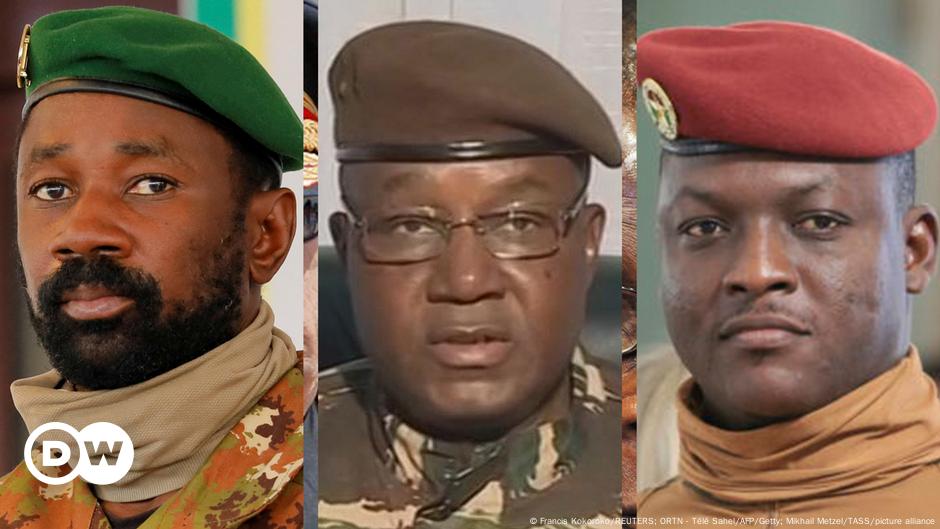
Since the 2020‑2023 coups in Mali, Niger and Burkina Faso, military leaders have imposed sweeping criminal defamation and antiterrorism laws that enable the arbitrary detention of journalists , bloggers and activists. They have also ordered the shutdown of independent radio stations and online platforms.
"It has become more repressive. It's no longer as easy to speak out," said Ulf Laessing, former director of the Konrad Adenauer Foundation's Sahel program in Mali . People have become more cautious.
"That is clearly a point of criticism against the government," he told DW.
In Mali, General Assimi Goita seized power through two military coups in 2020 and 2021 and gradually placed the country under military rule. In 2025, the National Transitional Council passed a draft law securing Goita's rule for another five years .
According to Laessing, the unstable security situation had initially improved somewhat in some parts of Mali, and farmers were even able to return to their fields. That is no longer the case today. Mali still faces the threat of terrorism and jihadist insurgents control some parts of the country . "I don't think any government will succeed in recapturing those areas. Even if there were more coups or eventually an elected government," he sees little chance of bringing peace to the country.
According to Laessing, the people in Bamako want neither Sharia law nor the Islamists. There would have been plenty of reasons to protest against the government, despite the dangers and repression. But the people are aware that if this government goes, the next one will be more Islamist.
In the other two countries of the Sahel Alliance (AES) , founded in 2023— Burkina Faso and Niger —military rulers are also governing with an iron fist. Freedom of expression and democratic aspirations are being severely curtailed.
"In the case of Burkina Faso, I would say that public space no longer exists at all," Burkinabe human rights activist Binta Sidibe-Gascon told DW. "Everyone is forced into silence and pressured to self-censor. Anyone who dares to speak out about the national situation is sent to the front lines."