Samsung develops budget-friendly Galaxy Aero smartwatch without Wear OS
Samsung is reportedly developing a budget-friendly smartwatch, codenamed “Galaxy Aero,” which may run on a lightweight operating system instead of Wear OS. This device aims to fill a gap in Samsung's…
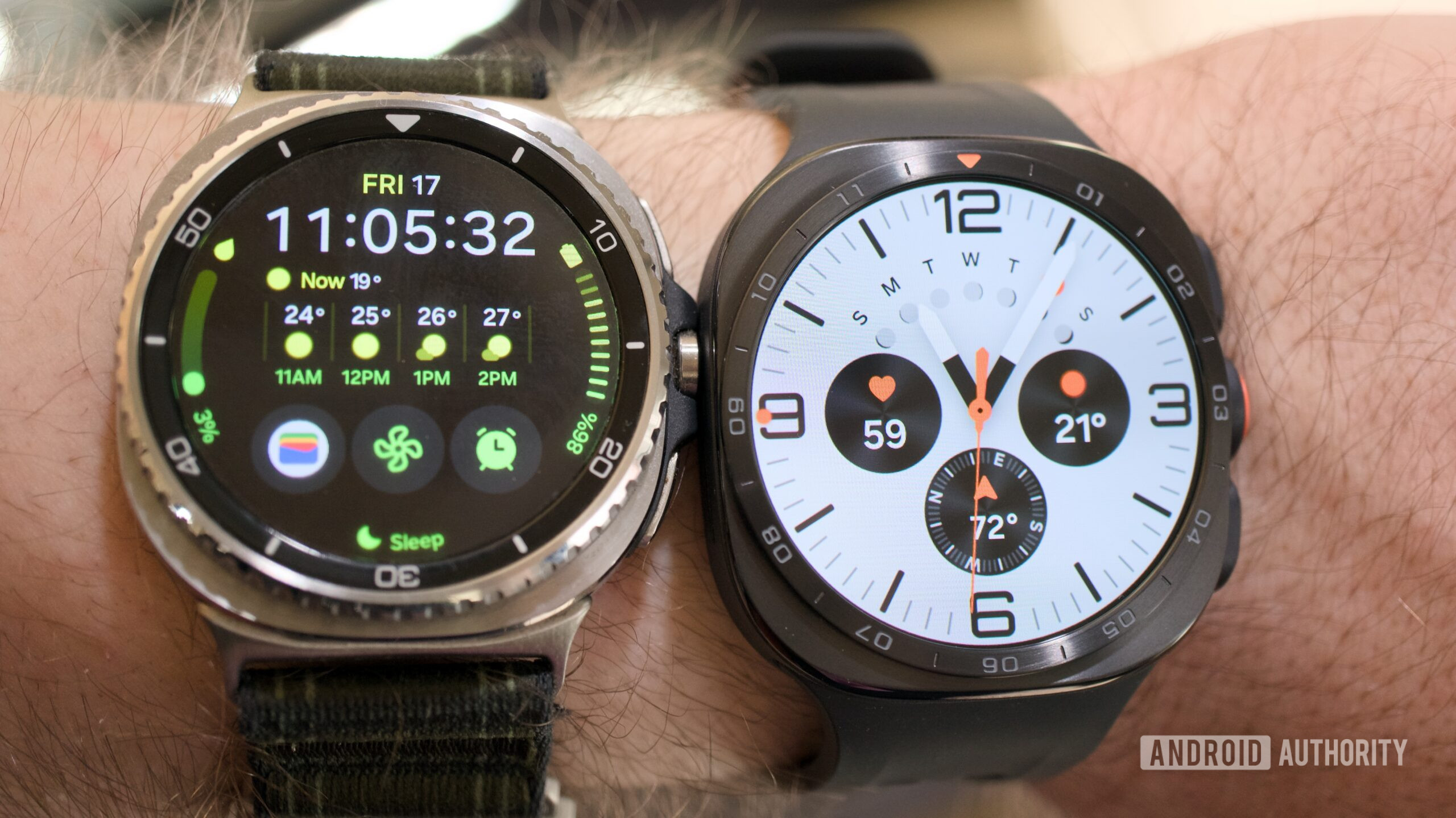
Samsung is reportedly developing a new budget-friendly smartwatch, codenamed “Galaxy Aero,” which may run on a lightweight operating system instead of the more resource-intensive Wear OS. This information comes from a leak spotted in the Galaxy Wearable app, suggesting that Samsung is looking to fill a gap in its wearable lineup. The Aero could serve as a bridge between basic fitness trackers and fully-featured smartwatches.
The timing of this potential launch is significant. Samsung has not released a dedicated fitness tracker since the Galaxy Fit 3 in 2024, and rumors of the Galaxy Fit 4 are just beginning to surface. The Galaxy Aero could provide consumers with an affordable smartwatch option while maintaining essential features, such as heart rate monitoring and accelerometers, without the high costs typically associated with smartwatches.
The choice of a Real-Time Operating System (RTOS) for the Galaxy Aero indicates that it will likely offer impressive battery life, potentially lasting over a week on a single charge. This operating system is known for its efficiency, making it an appealing choice for a device aimed at budget-conscious consumers. The Aero is expected to be positioned between the upcoming Galaxy Fit 4 and the existing Galaxy Watch FE, targeting users who want smartwatch capabilities without the higher price tag.
While the details surrounding the Galaxy Aero remain unconfirmed, the early indications suggest that Samsung is strategically expanding its wearable offerings. If the Aero does come to fruition, it could attract a new audience that seeks a balance between affordability and functionality in the smartwatch market. However, until Samsung officially announces the device, these details should be taken with caution.
Read Full Story at Android Authority →