Asayel Bishi signs with Saudi label amid Vision 2030 music reforms
Saudi rapper Asayel Bishi is gaining prominence in the evolving Saudi music scene, signing with the country's largest record label amidst a cultural shift driven by Crown Prince Mohammed bin Salman's…
Saudi rapper Asayel Bishi is emerging as a notable figure in the country's hip-hop scene, recently signing with MDLBEAST, Saudi Arabia's largest record label. This rise comes after a rocky start in 2020, when her music video for "Bint Mecca," which showcased dancing in a local café, drew criticism from the governor of Mecca, who called for her and her production team to be arrested. The situation was eventually resolved through discussions about filming permits, highlighting the tension between artistic expression and local customs.
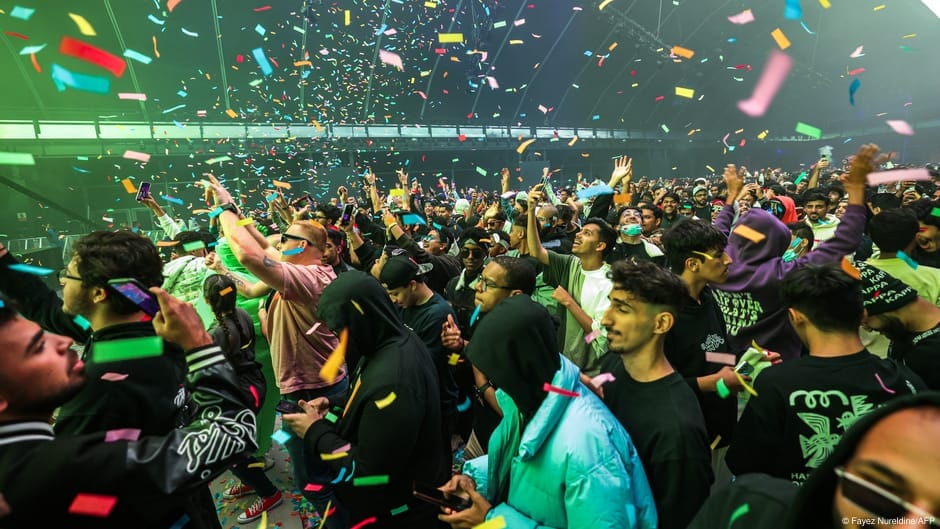
Bishi’s success is part of a broader transformation in the Saudi music industry, driven by Crown Prince Mohammed bin Salman's Vision 2030 initiative. Launched in 2016, the plan aims to diversify the economy away from oil dependency by investing billions into various sectors, including the arts. The music scene has rapidly evolved since the first major festival, Soundstorm, was held in 2019, attracting over 400,000 attendees and major international artists. MDLBEAST has expanded its role from festival organizer to a multifaceted music enterprise, including a record label and talent incubator.
Recent reports indicate the Saudi music industry could reach a value of $500 million by 2034, although independent assessments of its current status are limited. Spotify reports a 195% increase in listeners of Saudi music within the kingdom from 2020 to 2024, yet international artists still dominate streaming charts. This growth raises questions about the organic nature of the music boom, as many observers believe it is largely state-driven rather than a grassroots movement.
Critics suggest that the centralization of cultural investments under Crown Prince Mohammed bin Salman marks a significant shift in the relationship between the state and artists. Researcher Amr Abdelrahim argues that many young musicians, once operating in the shadows, are now intertwined with the ambitions of the ruling elite. This dynamic offers new opportunities for artists like Bishi, but it also reflects a complex interplay between artistic freedom and governmental control in shaping Saudi Arabia's cultural landscape.
Read Full Story at DW World →