Scientists discover vagus nerve stimulation improves mood and reduces inflammation
Scientists are advancing their understanding of the vagus nerve, which regulates key bodily functions and may provide new treatment options for mental and physical health issues. Recent research show…
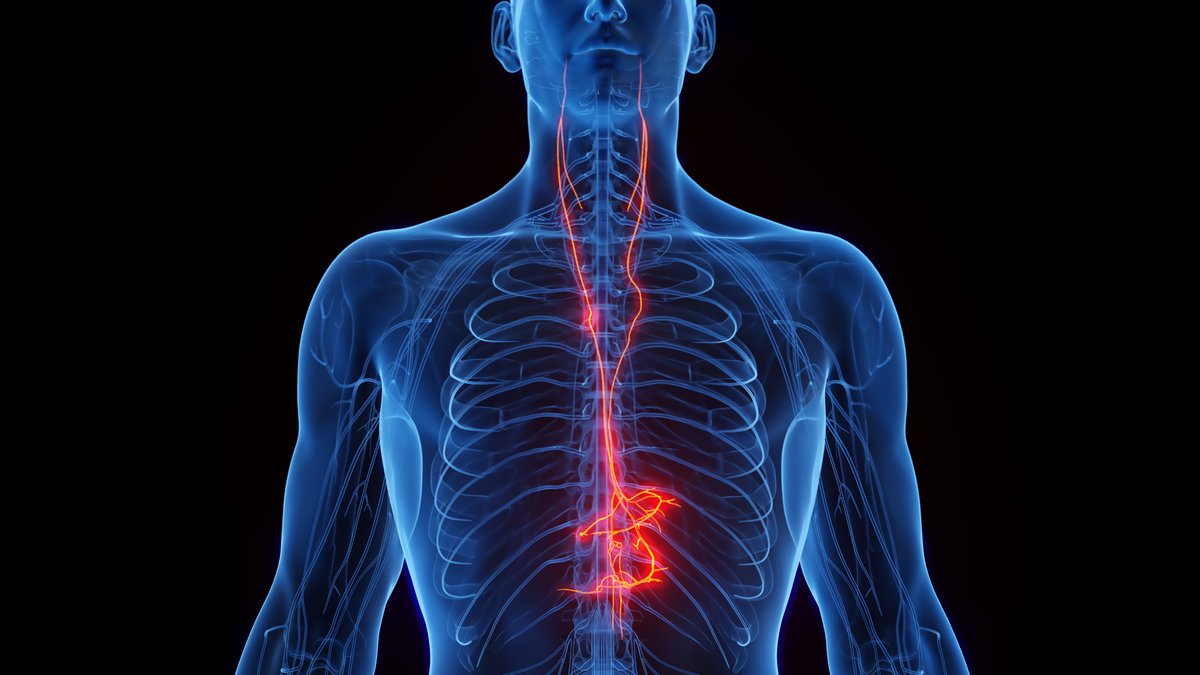
Scientists have made significant strides in understanding the vagus nerve, a key component of the autonomic nervous system, which connects every major organ in the body. Recent studies have shed light on its extensive role in regulating bodily functions, including heart rate, digestion, and immune response. This renewed focus comes at a time when mental and physical health issues are rising, and researchers are eager to explore new treatment avenues.
The vagus nerve serves as a communication line between the brain and the body, influencing various processes that affect overall health. Its ability to modulate the body's response to stress has garnered attention, especially as chronic stress is linked to numerous health problems, from anxiety to heart disease. Advances in technology, such as non-invasive brain stimulation techniques, have allowed for deeper exploration of the vagus nerve's functions, leading to promising therapeutic applications. These developments are particularly relevant as healthcare systems seek more holistic approaches to treat conditions that traditional medicine may overlook.
Recent findings highlight that stimulating the vagus nerve can enhance mood and reduce inflammation, providing hope for conditions like depression and autoimmune diseases. One study revealed that patients with treatment-resistant depression experienced significant improvement after vagus nerve stimulation. This growing body of evidence suggests that understanding and harnessing the power of the vagus nerve could revolutionize treatments for mental and physical health, offering a new frontier in medicine.
Looking ahead, researchers are optimistic about the potential for targeted therapies that involve vagus nerve manipulation. As studies continue, there may be new devices or methods developed to stimulate the vagus nerve more effectively. This could change how we approach conditions linked to the nervous system and beyond. The implications are vast, making it crucial for both scientists and clinicians to keep pace with this rapidly evolving field.
Read Full Story at Scientific American →