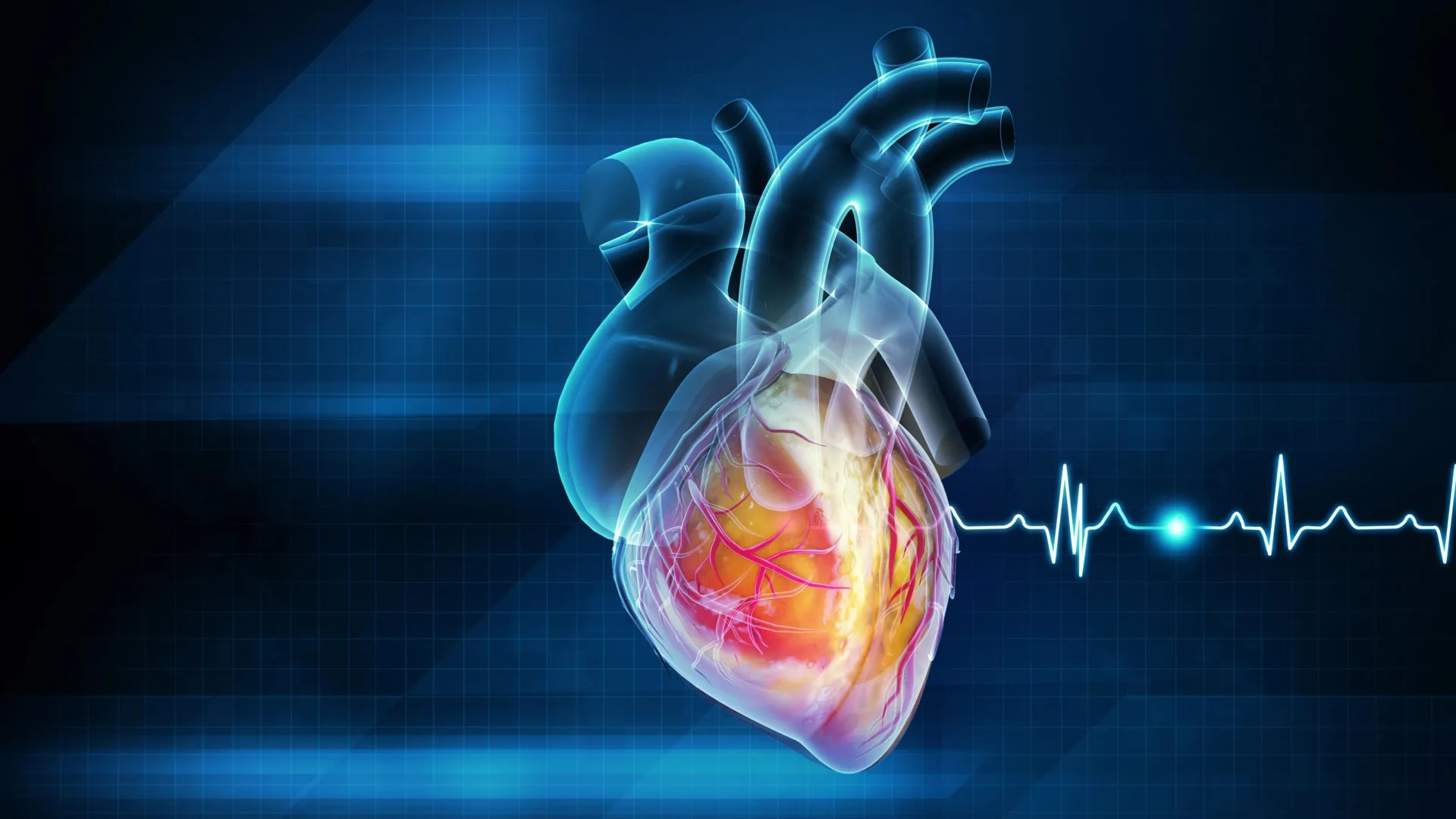
Researchers find 7% rise in blood bicarbonate linked to CO2 increase
Researchers have detected a 7% increase in blood bicarbonate levels since 1999, alongside decreases in calcium and phosphorus, linked to rising atmospheric CO2. This shift in blood chemistry may pose…
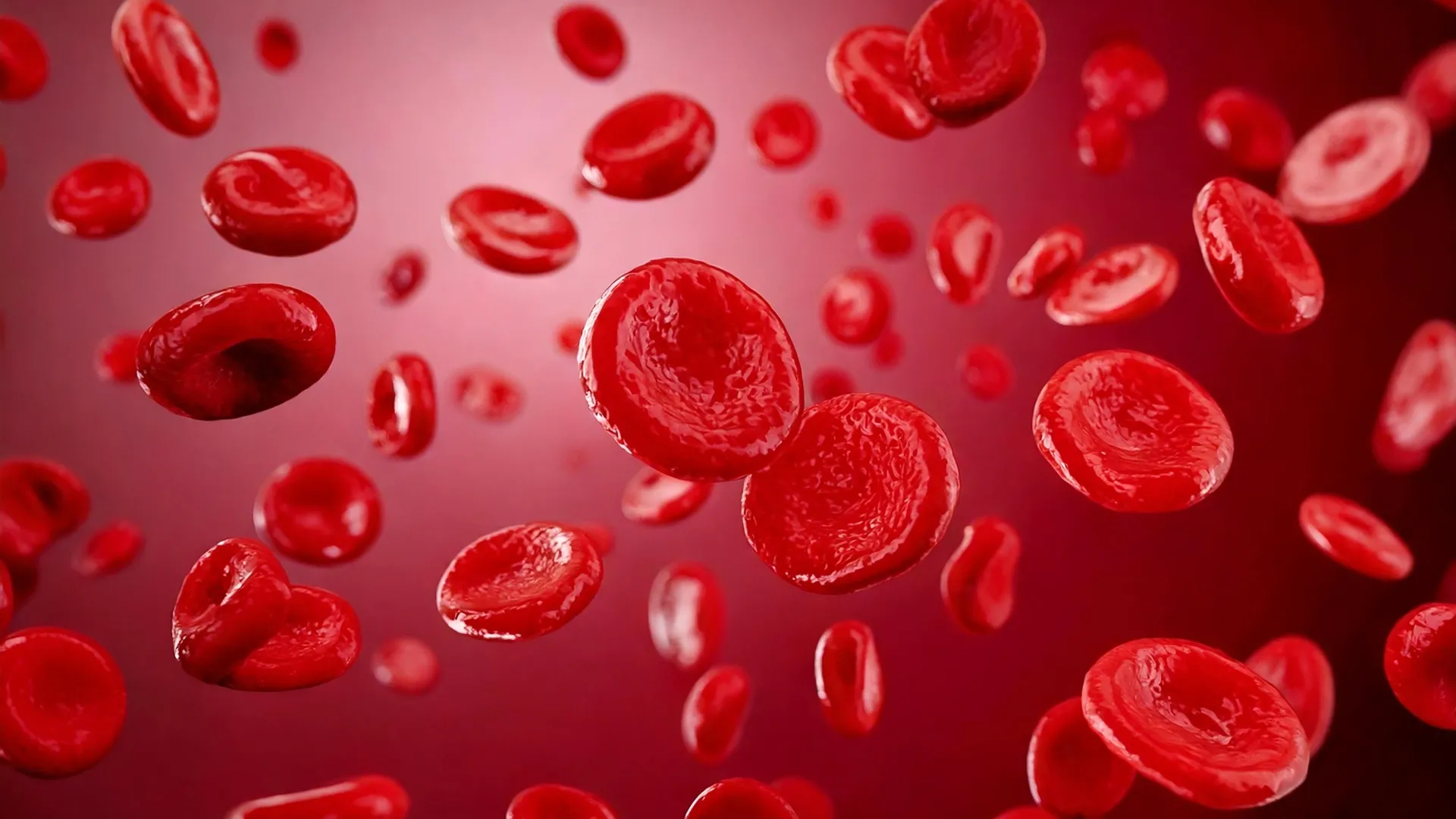
Researchers have found a notable change in human blood chemistry linked to rising carbon dioxide levels in the atmosphere. An analysis of over two decades of U.S. health data revealed that blood bicarbonate levels increased by approximately 7% since 1999, while calcium and phosphorus levels decreased. This shift appears to correlate closely with the rise in atmospheric CO2, providing a startling insight into how environmental changes may be affecting human biology.
The connection between elevated CO2 levels and health is becoming increasingly relevant as the world grapples with climate change. As CO2 concentrations in the atmosphere rise, the body is believed to adapt by altering the balance of certain electrolytes and pH levels in the blood. This adaptation might be a response to the increased acidity resulting from higher CO2 levels. Understanding these physiological changes is crucial, as they may have implications for public health and the management of diseases related to blood chemistry, such as metabolic disorders.
The new findings highlight the importance of monitoring not only environmental changes but also their direct effects on human health. The research indicates that the body is responding to its changing environment in measurable ways. While the increase in bicarbonate may initially seem beneficial, the concurrent decline in calcium and phosphorus could indicate potential long-term health risks. These minerals are essential for various bodily functions, including bone health and muscle function.
Going forward, researchers aim to further investigate the implications of these changes in blood chemistry. They will explore how these shifts might affect populations differently based on factors such as age, diet, and overall health. As climate change continues to pose challenges, understanding its impact on human biology will be critical in developing strategies to mitigate health risks associated with a warming planet.
Read Full Story at ScienceDaily →