Scientists find immune cell shift in brains starting at age 50
Starting around age 50, the brain loses protective immune cells and replaces them with inflammatory ones, which may increase the risk of Alzheimer's disease and dementia. This shift in immune cell fu…
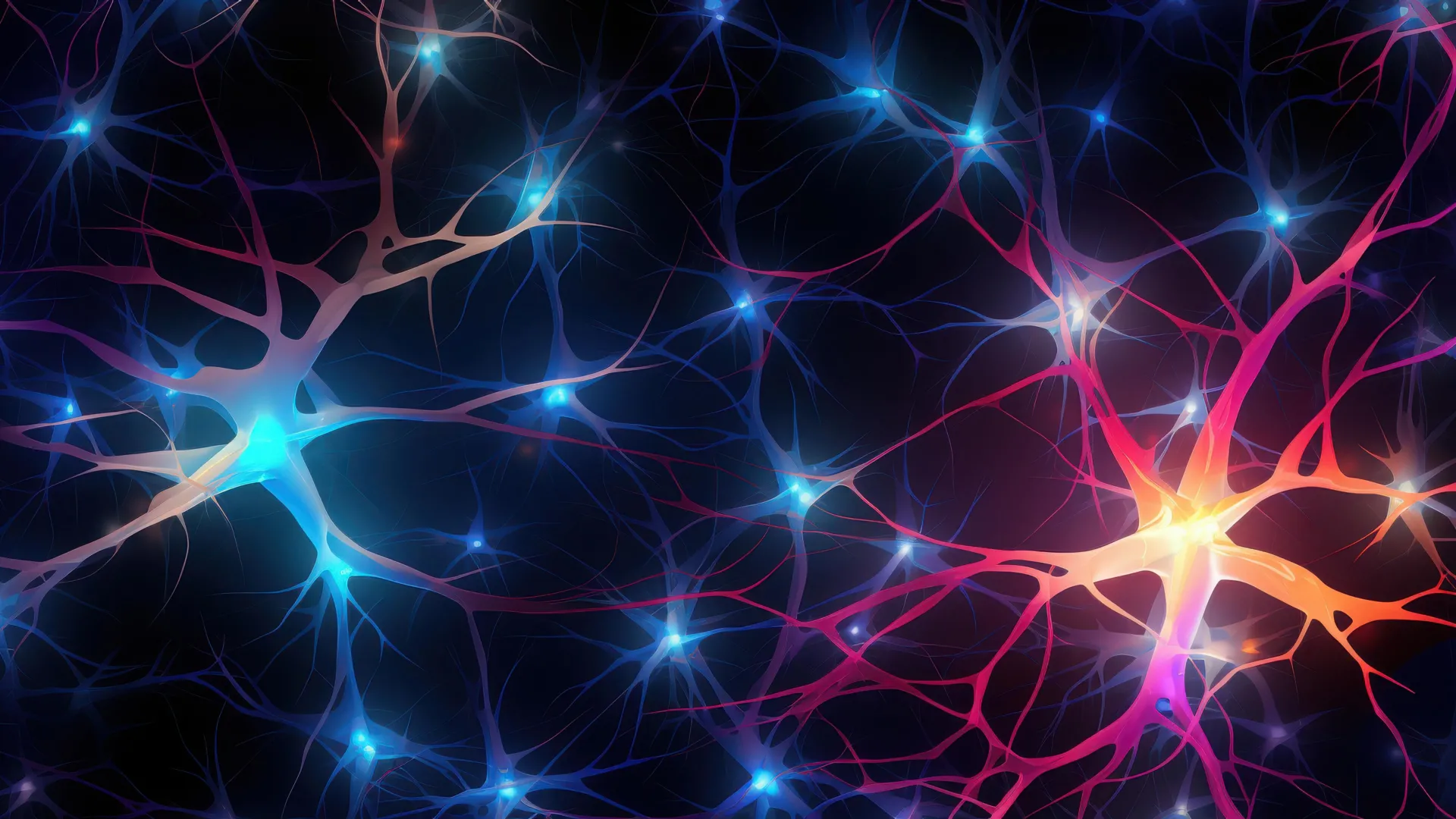
Beginning around age 50, the brain’s memory center appears to lose many of its longtime immune cells and replace them with more inflammatory ones. This discovery, revealed by recent research published in ScienceDaily, sheds light on a significant shift in brain health during middle age. The findings suggest a potential link between this immune cell transformation and the increased risk of Alzheimer’s disease and dementia that often emerges later in life.
As people age, the brain undergoes various structural and functional changes. The immune system within the brain, primarily made up of cells called microglia, plays a crucial role in maintaining neural health. However, researchers have found that starting around the age of 50, there is a noticeable decline in the protective microglia, which are responsible for clearing debris and supporting neurons. This decline is replaced by a rise in inflammatory microglia, which can contribute to neuroinflammation and disrupt normal brain function.
The implications of this shift are significant. Neuroinflammation is increasingly recognized as a key factor in the development of neurodegenerative diseases. Studies have shown that chronic inflammation can lead to neuronal damage and cognitive decline. The transition in immune cells may explain why individuals over 50 are more susceptible to conditions like Alzheimer’s, as the brain's ability to combat harmful processes diminishes. This research highlights the importance of understanding the biological changes that occur with age, particularly as the global population continues to age.
Looking ahead, this discovery could pave the way for new interventions aimed at preserving brain health in older adults. Researchers may explore strategies to promote the health of beneficial microglia or to mitigate the effects of inflammatory cells. Early detection of these shifts in brain health could also lead to preventive measures that help reduce the risk of developing Alzheimer's and other dementias. Understanding these changes is crucial as society grapples with the growing prevalence of age-related cognitive disorders.
Read Full Story at ScienceDaily →