Researchers develop potent rattlesnake blood antivenom, boosting effectiveness tenfold.
Researchers have developed a potent new antivenom from rattlesnake blood that is ten times more effective than current treatments against various snake venoms. This breakthrough could significantly i…
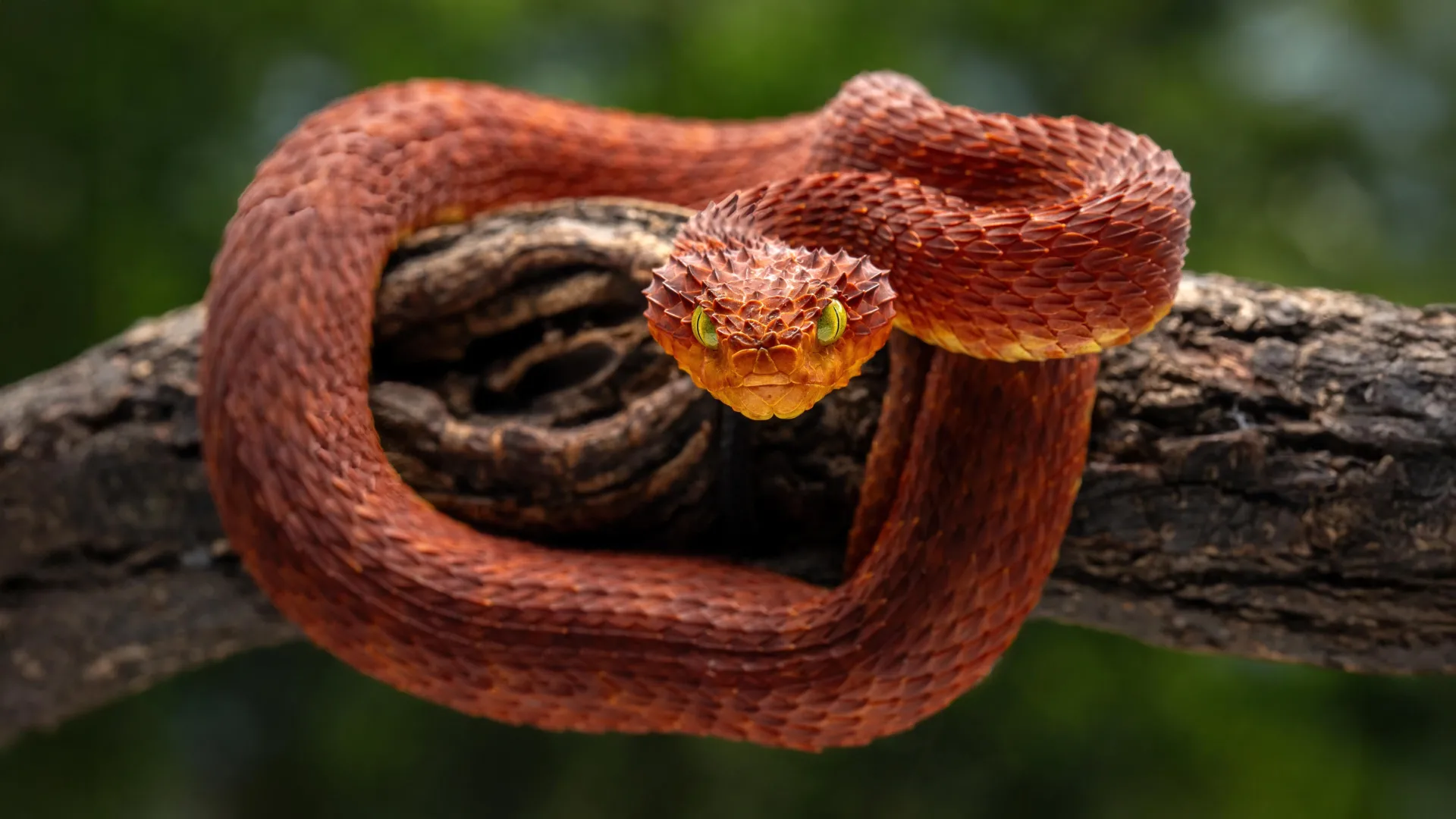
Researchers have discovered a powerful new antivenom derived from rattlesnake blood that can neutralize venom from several dangerous snake species. In laboratory tests, the new mixtures of toxin-blocking proteins were found to be about ten times more effective than existing commercial antivenoms. This breakthrough could lead to a new generation of treatments for snakebites, a significant concern in both rural and tropical regions where encounters with venomous snakes are common.
The urgency for improved snakebite treatments has grown, as the World Health Organization estimates that snakebites kill around 138,000 people each year, with many more suffering from lifelong disabilities. Current antivenoms are often derived from horse or sheep blood, which can provoke allergic reactions and may not always be effective against different types of venom. Scientists have been exploring alternative sources for antivenom, focusing on naturally occurring proteins that can neutralize toxins more effectively and safely.
This new research builds on earlier studies that highlighted the unique properties of rattlesnake blood, which contains a variety of proteins that can block toxins. By isolating and combining these proteins, researchers created a potent mixture that showed remarkable efficacy in preclinical trials. The findings have ignited interest in further exploring the healing potential of animal blood as a resource for medical treatments.
Next steps for the research team include clinical trials to ensure the safety and effectiveness of this new antivenom in humans. If successful, this treatment could revolutionize the way snakebites are managed globally, potentially saving thousands of lives each year. The development underscores the importance of biodiversity in medical research and the untapped potential of nature’s solutions to address pressing health challenges.
Read Full Story at ScienceDaily →