Bacteria clean 95% of uranium in 130 days
Bacteria fed glycerol transformed 95% of dissolved uranium into stable uraninite in 130 days. This offers a cheaper, faster way to clean up toxic uranium pollution in groundwater.
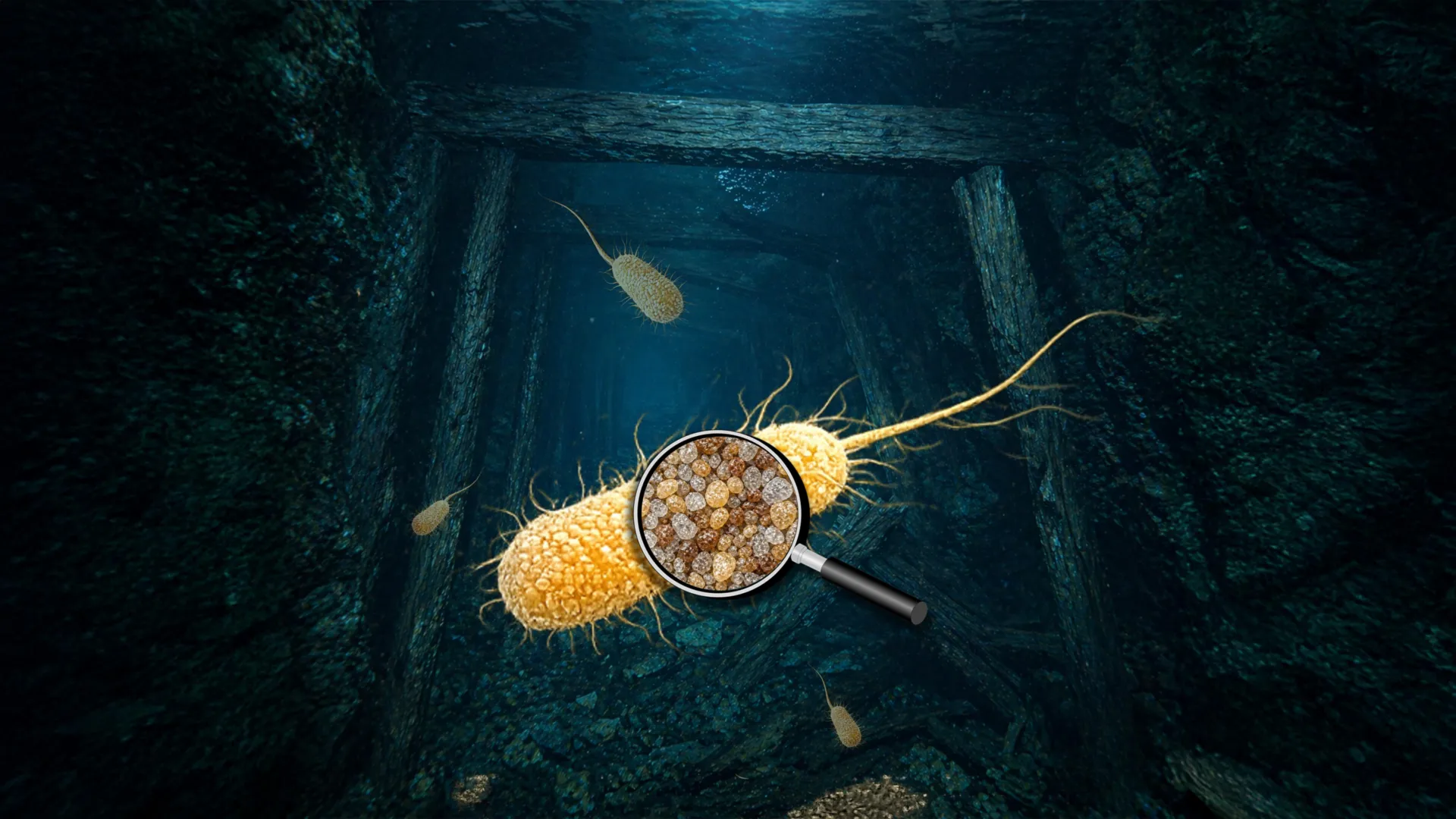
Deep underground in a Colorado mine, bacteria have pulled off a feat that could help clean up some of the world’s most dangerous waste. Researchers fed microbes contaminated mine water with glycerol, and within 130 days about 95% of the dissolved uranium vanished. The bacteria transformed the toxic metal into a rare, unusually stable compound called uraninite. That’s a form of uranium that doesn’t dissolve easily and stays locked in place.
The find matters because uranium pollution lingers for centuries. Old mines, nuclear sites, and weapons factories left plumes of uranium in groundwater that threaten drinking supplies. Conventional cleanup—digging up soil or pumping water—often costs billions and takes decades. Microbes could offer a cheaper, quieter way to trap uranium before it spreads. The discovery builds on years of research showing bacteria can change metals by adding or removing electrons. This team accidentally stumbled on the glycerol trick while testing how different nutrients affected the microbes.
In the lab, the bacteria started converting uranium within days of getting glycerol. By the end of the experiment, dissolved uranium dropped from around 100 micrograms per liter to just a few. That’s close to levels considered safe for drinking. The team also found uraninite crystals forming inside the bacteria, a structure usually seen only in lab tests with pure chemicals. Independent experts say the results are promising but caution that field tests are still needed. Real mine water contains a soup of metals and microbes, so the bacteria may face competition or get distracted.
The next step is to run a small pilot in an actual contaminated site. Researchers want to see if the bacteria can repeat the trick in messy, real-world conditions. If it works, the method could be paired with existing cleanup tools to cut costs and speed up recovery. Uranium mines dot dozens of countries, from the U.S. to Kazakhstan, so the stakes are high. The bacteria aren’t a magic fix—they can’t remove uranium from water entirely—but they could lock it down where it sits, keeping it from reaching people.
Read Full Story at ScienceDaily →