Scientists discover how flu viruses spread via cell debris
Scientists found influenza viruses hide in cell debris released during cell death, using it to spread undetected. This discovery suggests new strategies are needed to block viral spread, as current tr
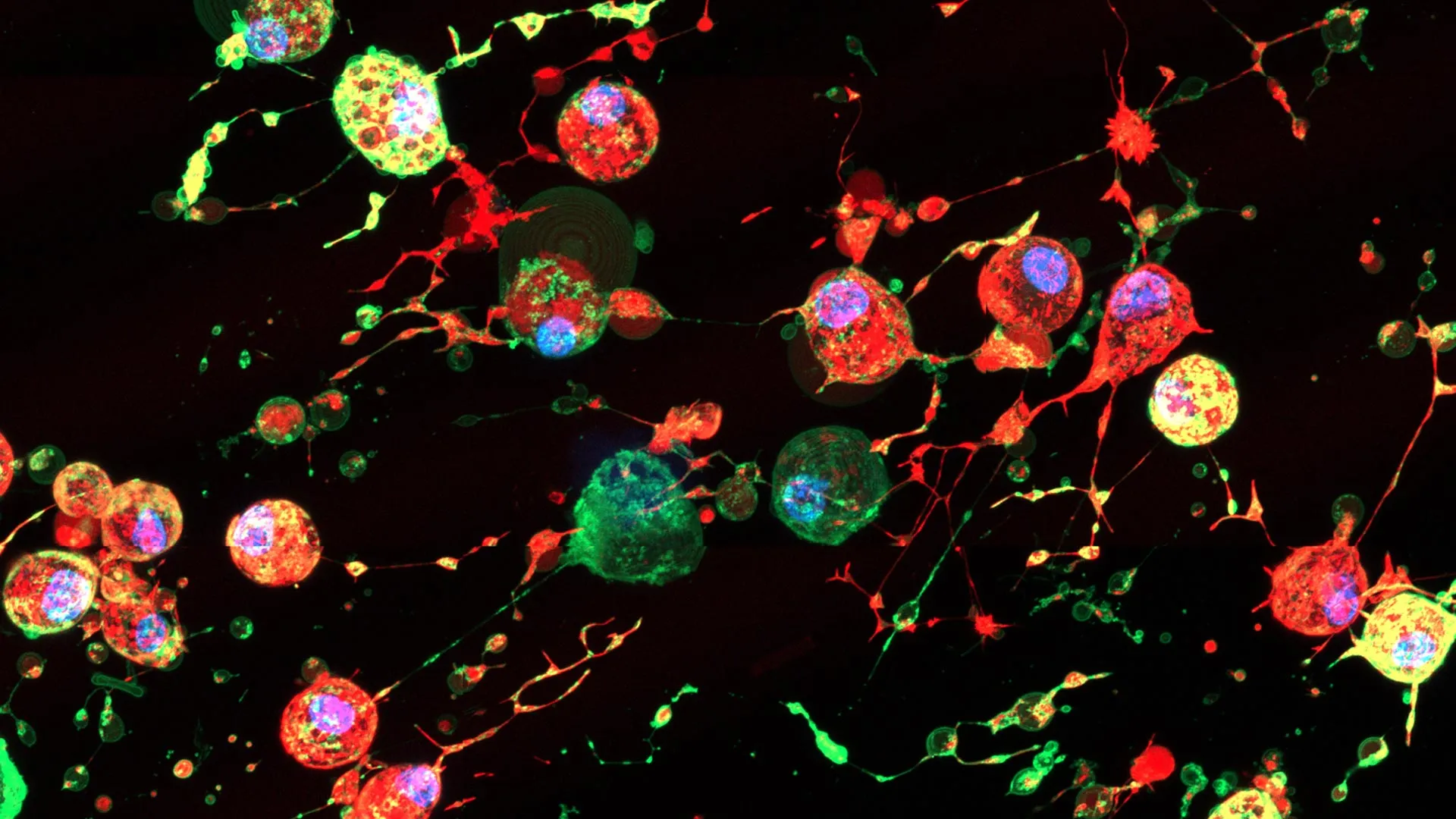
Scientists have discovered that dying cells leave behind invisible "footprints of death" that may help viruses spread. When cells break apart, they re
Read Full Story at ScienceDaily →Why This Matters
This finding challenges the long-held assumption that viruses spread solely through active replication, revealing a stealthier mechanism where they exploit cellular debris as a Trojan horse. For public health, it means current detection and containment strategies may overlook silent transmission pathways, demanding a rethink of how we monitor and respond to outbreaks.
Background Context
Influenza has long been studied for its rapid mutation and airborne transmission, but its interaction with dying cells has remained underappreciated. Decades of research focused on live virus particles, leaving gaps in understanding how viral remnants persist in environments like hospitals or crowded transit systems—settings where cell death is common.
What Happens Next
Researchers will likely develop new diagnostic tools to detect viral debris in real time, while public health agencies may adjust protocols for handling biological waste in high-risk settings. The discovery also raises questions about whether other viruses, like SARS-CoV-2 or RSV, use similar strategies, potentially reshaping vaccine and antiviral development.
Bigger Picture
This aligns with a growing recognition that viruses are far more resourceful than previously thought, turning host biology against itself in unexpected ways. It underscores the need for interdisciplinary approaches—merging virology, immunology, and bioengineering—to stay ahead of pathogens that constantly evolve their tactics.






