Scientists find water fueled volcanoes 3 billion years ago via dripduction
Water fueled volcanoes 3 billion years ago via “dripduction,” not plate tectonics. This proves deep Earth water circulation began before modern tectonics, reshaping geological history.
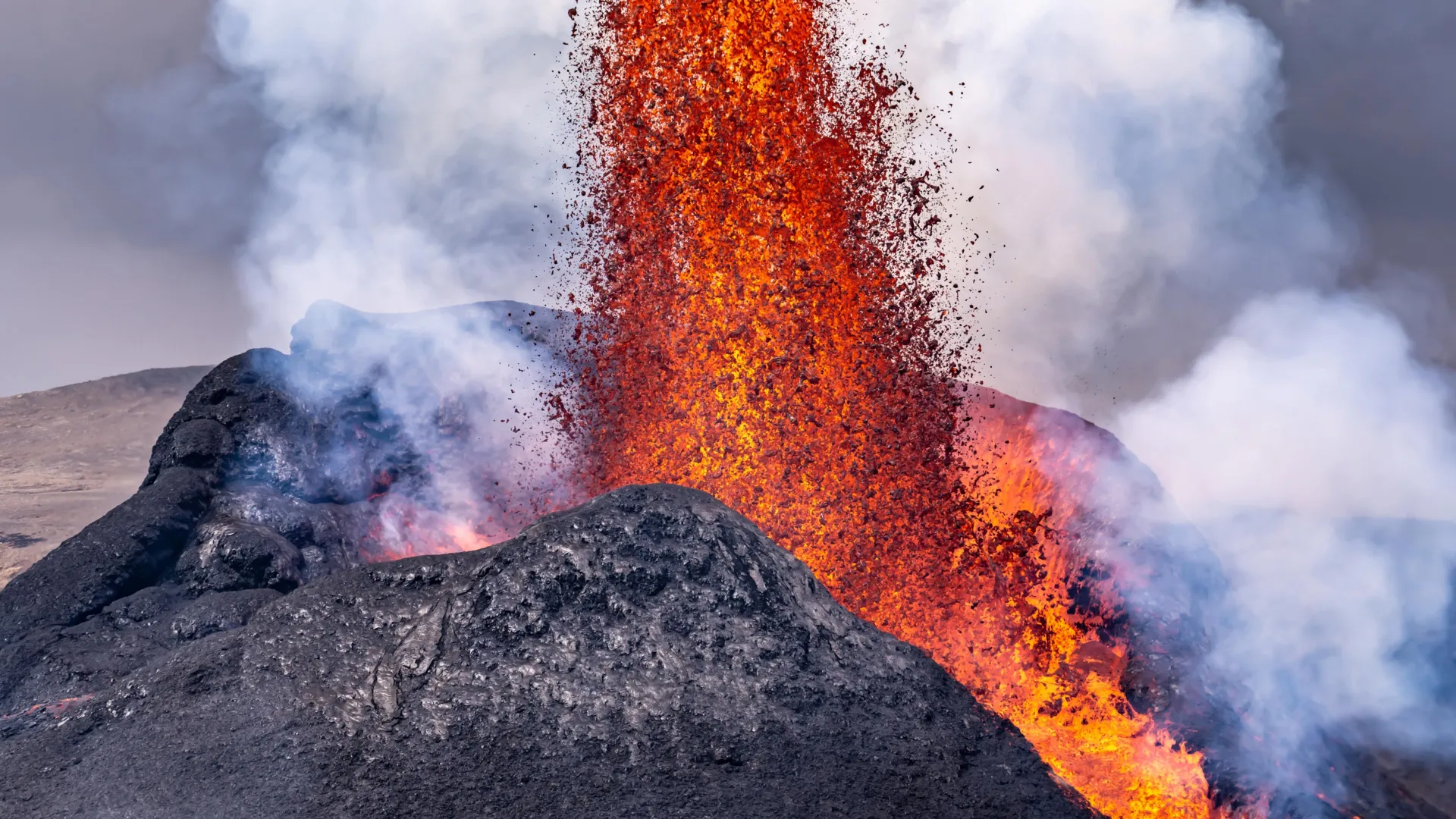
Researchers have discovered compelling evidence that water played a critical role in fueling volcanic eruptions on Earth more than three billion years ago, fundamentally challenging long-held assumptions about how our planet’s interior evolved. This finding, derived from the analysis of ancient rocks in Western Australia, suggests that water was reaching deep into the Earth’s mantle significantly earlier than previously thought, occurring long before the modern system of plate tectonics had fully established itself. The presence of water at such depths during this early epoch implies that the mechanisms driving volcanism and crustal formation were active and dynamic far sooner in Earth’s history, reshaping our understanding of when and how the planet’s geological engines began to operate in a manner similar to today.
The study focuses on remarkably preserved rock formations in the Pilbara region of Western Australia, which date back to the Archean eon, a time when the Earth was still cooling and its surface was vastly different from the stable continents we know now. For decades, geologists believed that the recycling of water into the deep Earth was primarily driven by subduction, the process where one tectonic plate slides beneath another. However, this mechanism requires a fully developed plate tectonic system, which many scientists argue did not exist three billion years ago. To explain the presence of water in the mantle during this period, the research team proposed a new mechanism they term dripduction. In this process, small, water-rich fragments of the ancient crust would detach and sink, or drip, directly into the underlying mantle. This localized sinking allowed water to bypass the need for large-scale plate boundaries, providing a plausible explanation for how volatiles were transported to depths where they could influence magma generation.
The implications of this discovery are profound for our understanding of early Earth’s habitability and geological activity. Water is a key ingredient in lowering the melting point of rocks, facilitating the creation of magma and subsequent volcanic eruptions. By introducing water into the mantle through dripduction, early Earth could have sustained significant volcanic activity without the complex machinery of modern plate tectonics. This volcanic activity would have been crucial for outgassing, the process by which volatile compounds are released from the Earth’s interior to form the early atmosphere and oceans. The findings suggest that the hydrological cycle, which includes the movement of water through the crust, mantle, and atmosphere, was established much earlier than previously estimated. This early integration of water into the deep Earth may have helped regulate the planet’s temperature and chemical composition, creating conditions that eventually allowed for the emergence of life.
Moving forward, this research opens new avenues for exploring the geological history of Earth and potentially other rocky planets. Scientists plan to conduct further analyses of ancient rock samples from other parts of the world to see if dripduction was a global phenomenon or limited to specific regions. Additionally, this model may help explain the geological records of other terrestrial planets, such as Mars, where evidence of early volcanic activity exists but where plate tectonics never developed. Understanding how water interacts with the deep Earth in the absence of modern tectonic processes could provide critical insights into the evolution of planetary systems and the factors that contribute to a planet’s potential to support life. As researchers refine this model, it may lead to a more nuanced view of Earth’s early history, highlighting the dynamic and interconnected nature of the planet’s internal and external systems from its very beginning.
Read Full Story at ScienceDaily →