Scientists invent a gel that creates neurons from other cells, which could help treat Alzheimer's
Scientists may have found a way to regenerate the neurons that are lost due to conditions like Alzheimer's disease, a new laboratory study hints. The research, published Aug. 26 in the journal Cell …
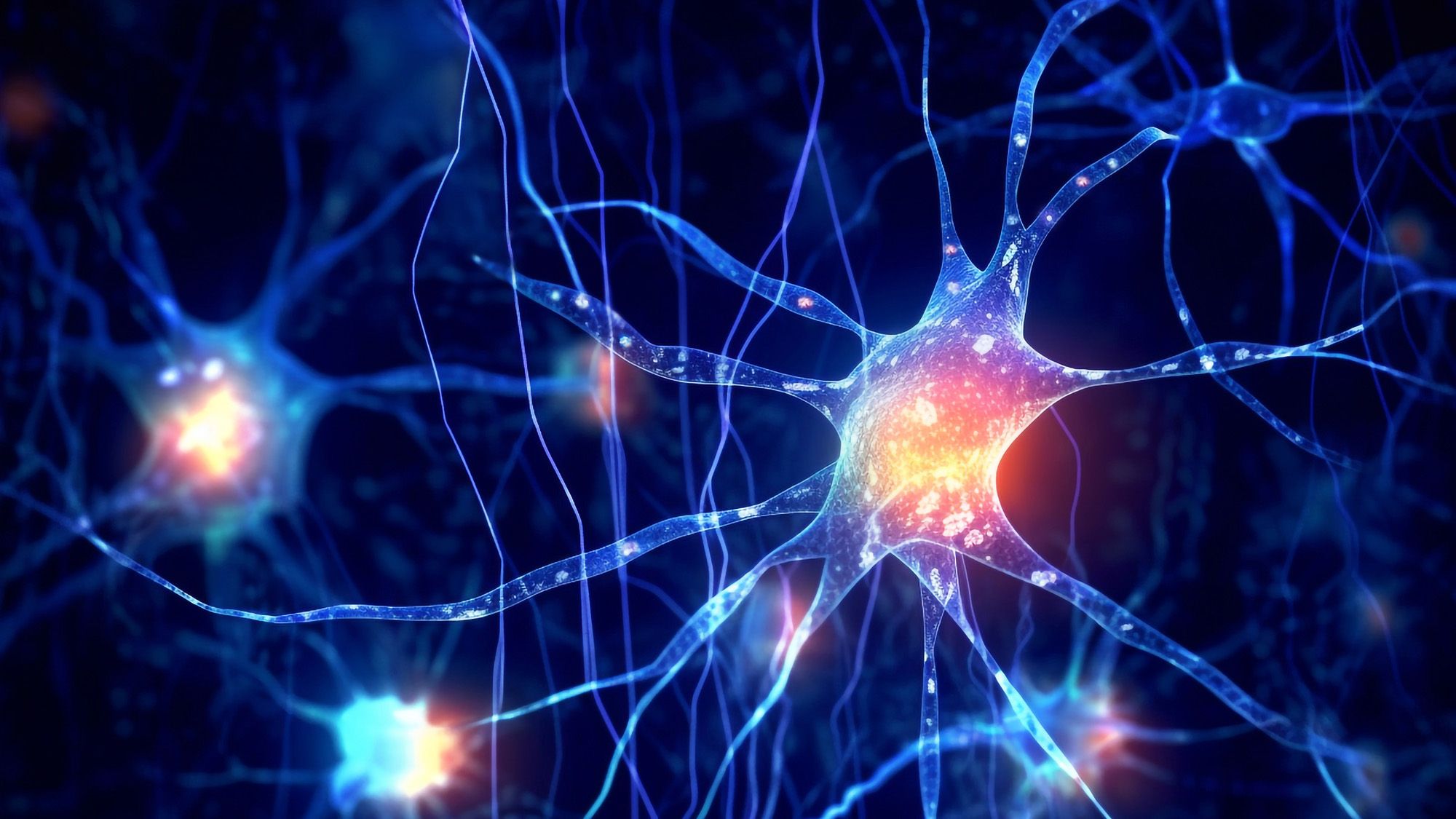
Scientists may have found a way to regenerate the neurons that are lost due to conditions like Alzheimer's disease, a new laboratory study hints.
The research, published Aug. 26 in the journal Cell Biomaterials , suggests that reducing levels of a key protein in another type of cell in the brain, called astrocytes , may convert those cells into neurons. The adult brain has a limited capacity to produce new neurons , at baseline, and an even more limited ability to replace neurons lost to disease.
If successfully developed into a treatment for humans, this new approach could replenish lost neurons and thus restore brain function, the study authors say.
Astrocytes are abundant, star-shaped cells in the brain that protect and support the functions of neurons. A crucial protein for astrocyte development is called PTBP1, and previously, scientists suggested that eliminating this protein in astrocytes may convert them into neurons. In that study, researchers reported converting astrocytes in the mouse brain into neurons by eliminating the gene that coded for PTBP1.
However, later experiments contradicted these results, suggesting that newly formed neurons could not be traced back to the astrocytes. So Peisheng Xu , a co-author of the new study and a pharmaceutical scientist at the University of South Carolina, set out to investigate that contradiction.
"We felt it's strange [that] two groups of people got different conclusions," he told Live Science.
He used a technique called Nano-Eraser, developed earlier in his lab , to delete PTBP1 from astrocytes without editing any of their genes. The team accomplished this by packaging an antibody that targets PTBP1 into a polymer gel. That gel helped sneak the antibody across the blood-brain barrier , a gatekeeper that prevents certain substances in the bloodstream from entering the brain.
Get the world’s most fascinating discoveries delivered straight to your inbox.
Read Full Story at Live Science →