Scientists debunk baby rattlesnake venom myth
Baby rattlesnakes control venom precisely, with adults delivering more due to larger glands; misinformation about their danger can lead to poor decisions like killing harmless snakes or delaying medic
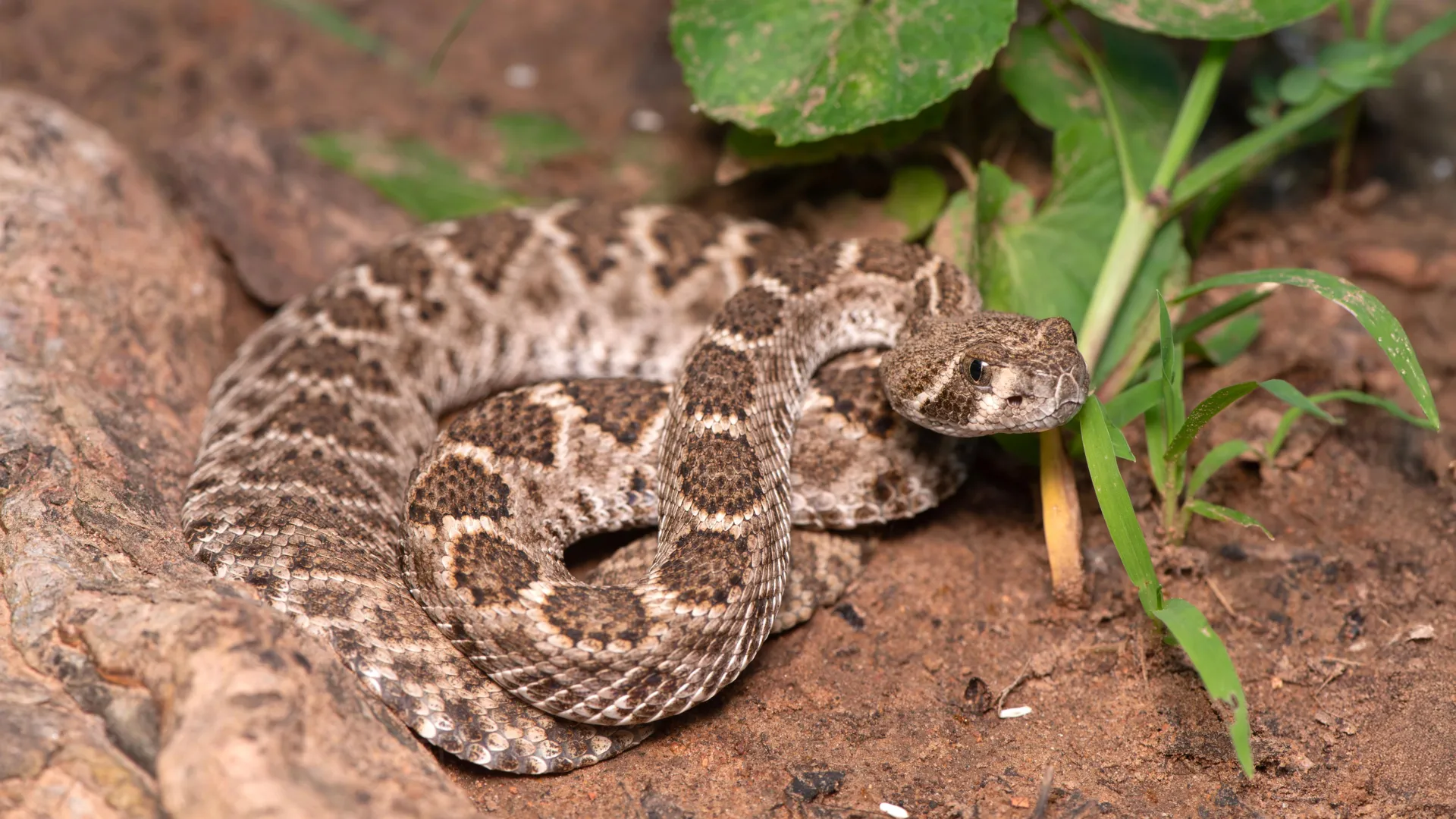
Researchers just debunked a long-standing myth that baby rattlesnakes are more dangerous than adults. A new study in *Toxicon* found that young rattle
Read Full Story at ScienceDaily →Why This Matters
The revelation that baby rattlesnakes are not inherently more dangerous than adults challenges a long-standing public misconception that fuels unnecessary fear and lethal responses to snake encounters. This correction could reduce human-wildlife conflict by promoting safer, more informed interactions with venomous species. It also underscores the importance of evidence-based wildlife education in mitigating preventable harm to both humans and ecosystems.
Background Context
For decades, cultural narratives have portrayed juvenile rattlesnakes as unpredictable, high-risk threats, often cited in warnings to avoid young snakes entirely. This myth has been perpetuated by anecdotal accounts and fragmented scientific observations, rather than systematic venom studies. Historically, such misinformation has contributed to the killing of non-threat snakes and delayed medical responses, as people mistook harmless species for juveniles.
What Happens Next
Public health agencies may revise snakebite response protocols to emphasize accurate risk assessment over blanket caution. Conservation groups could leverage this research to design targeted education campaigns, particularly in regions with high rattlesnake populations. However, overcoming deeply rooted fears will require sustained outreach to change behavior at scale.
Bigger Picture
This discovery aligns with a broader shift in wildlife science toward dispelling myths that hinder coexistence with dangerous species. As climate change and habitat loss increase human-snake encounters, accurate risk communication becomes critical to reducing both fatal bites and retaliatory killings of non-target species.