Scientists rediscover Megalodon fossils, reveal 79-foot shark size
Scientists have rediscovered Megalodon vertebrae previously thought lost, revealing the prehistoric shark could grow up to 79 feet long. This discovery enhances understanding of Megalodon biology and…
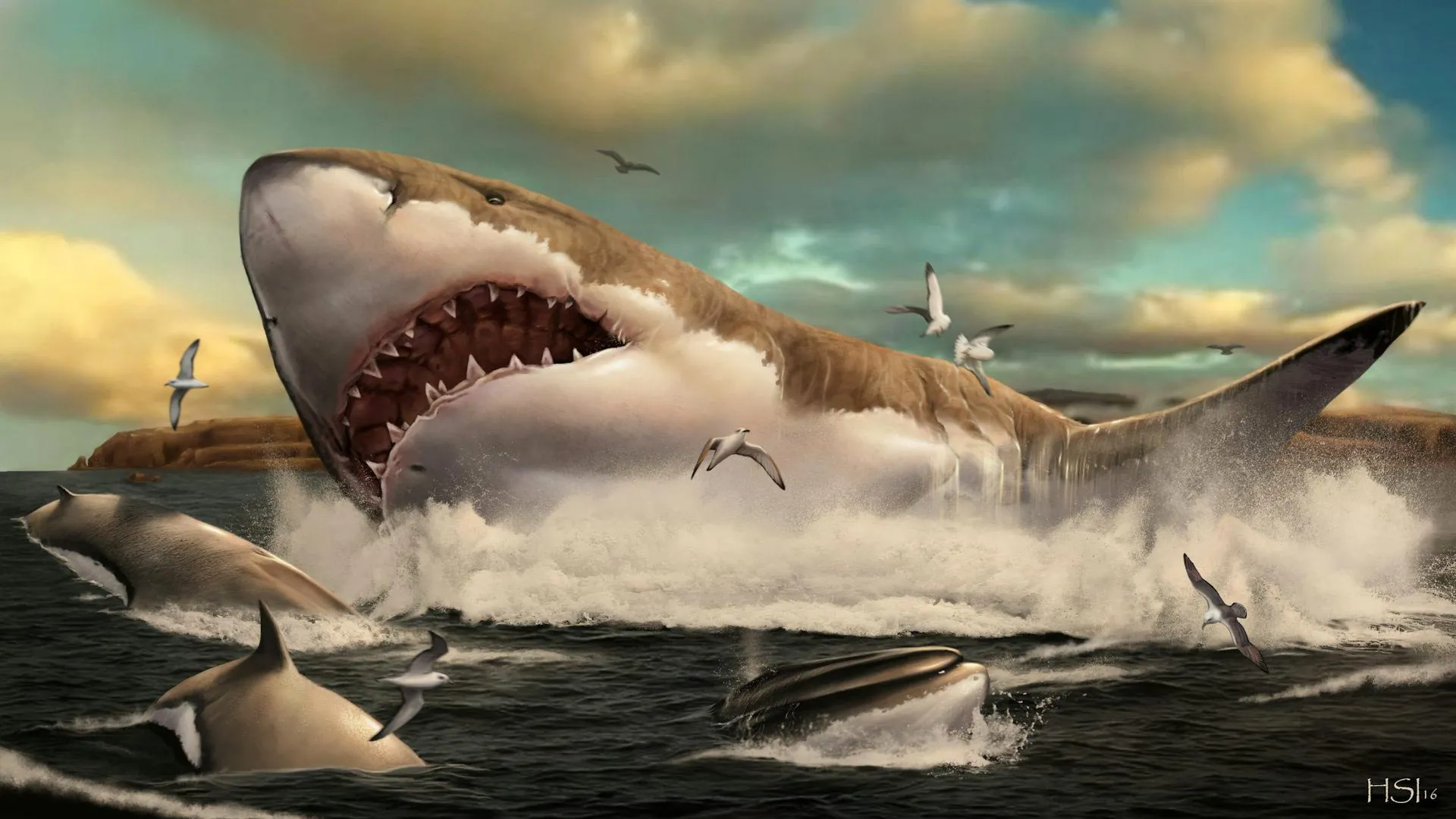
Scientists have rediscovered several enormous Megalodon vertebrae previously thought to have been destroyed in 1989. The fossils were found sitting unnoticed on a museum shelf, revealing that the prehistoric shark could exceed 24 meters, or 79 feet, in length. This discovery sheds new light on the size and lifespan of one of the largest predators to ever roam the oceans.
The significance of this find comes at a time when researchers are increasingly interested in understanding ancient marine life. The Megalodon, which lived approximately 23 to 3.6 million years ago, has long fascinated scientists and the public alike. The newly analyzed vertebrae strengthen evidence that these massive sharks could have lived for nearly a century. This information not only enhances our understanding of Megalodon biology but may also provide insights into the ecological roles they played during their time on Earth.
Alongside the impressive adult size, researchers estimate that newborn Megalodons may have measured an astonishing 3.6 meters, or 12 feet. This suggests that the species had a significant growth rate, which could have implications for how they interacted with their environment and other marine creatures. The study of these fossils could also lead to advancements in paleontology techniques, improving how scientists analyze and interpret fossil records.
Looking ahead, this rediscovery may inspire further research into other lost fossils and enhance our understanding of shark evolution over millions of years. As scientists continue to study these vertebrae, they hope to unravel more mysteries surrounding the Megalodon and its life history. This finding not only captivates the imagination but also underscores the importance of preserving and cataloging scientific collections in museums.
Read Full Story at ScienceDaily →