Amazon invests $40 billion in data centers transforming Aragon, Spain
American tech companies are building massive data centers in northeast Spain, particularly in the Aragon region, to support the AI boom, with Amazon investing nearly $40 billion. This transformation …
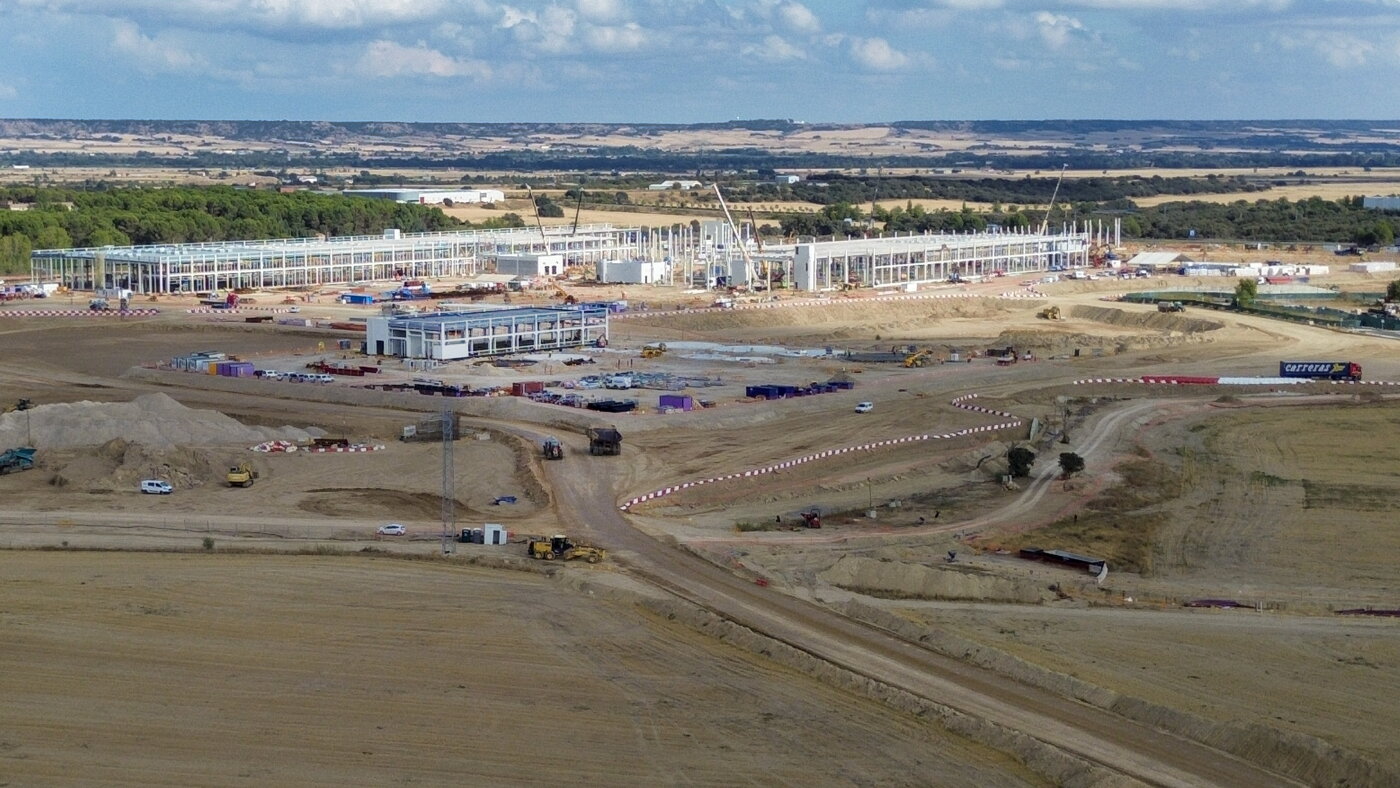
American technology giants are reshaping the rural landscape of northeast Spain as they race to build massive data centers to power the global artificial intelligence boom. In the Aragon region, excavators are carving into the rugged plains that George Orwell famously described in the 1930s. Amazon Web Services has pledged to spend nearly forty billion dollars to construct several vast complexes in the area. One of these single facilities will cover a footprint equivalent to six hundred American football fields. Microsoft and the asset management firm Blackstone are also moving forward with their own agreements to build large-scale infrastructure. These projects are not just digital hubs; they are physical behemoths that are altering the character of a traditionally agricultural region. The speed of this development is unprecedented, turning quiet countryside into an industrial zone for the computing needs of the next decade.
The surge in construction is driven by a combination of strategic incentives and regional desperation for economic diversification. Aragon’s regional government is actively courting these U.S. companies with large tax breaks and fast-tracked planning permissions. These permits grant data centers a special legal status that usually applies only to projects of general interest, allowing them to bypass standard environmental and zoning hurdles. The regional leadership is branding the area as the "Virginia of southern Europe," a direct nod to the U.S. state that hosts the highest concentration of data centers in the world. Officials argue that hosting this infrastructure is a strategic bet. They believe it will generate high-paying jobs and position the region at the center of a new AI-driven economy. Eva Valle, the economic counsellor for the regional government, stated that this new economy is evolving rapidly and that the associated activities will inevitably follow the infrastructure.
However, the rapid expansion has sparked fierce opposition from local residents and environmental activists. Critics argue that the projects are delivering an environmental crisis to a region already suffering from severe drought. Data centers are incredibly thirsty for water, which is used to cool the servers, and they consume vast amounts of electricity. While the companies claim they will rely mostly on renewable energy sources, they acknowledge that on-site generators will sometimes be required to ensure uninterrupted power. This hybrid model raises concerns about carbon emissions and local air quality. Furthermore, some of the construction sites are located dangerously close to protected wetlands and quiet villages, such as Cuarte. The visual and ecological impact is profound, with the natural horizon replaced by rows of industrial buildings. The tension between the promise of economic growth and the reality of environmental degradation has become a defining political issue in the region.
As other countries begin to enact regulations to curb the unchecked expansion of data centers, Spain’s national government is weighing new restrictions. Yet, the Aragon regional government continues to welcome the developers with open arms, prioritizing immediate investment over long-term sustainability concerns. The outcome of this race will set a precedent for how Europe handles the physical footprint of the AI revolution. If the model succeeds, Aragon may become a central node in the European digital infrastructure. If it fails, the region could face lasting environmental damage and social unrest. The coming months will reveal whether the "new economy" promised by officials can deliver on its benefits without exhausting the natural resources of the land. For now, the ground keeps moving, and the concrete keeps rising.
Read Full Story at NPR News →