Sen. Kennedy dismisses Trump’s Ukraine talks as superficial
Sen. John Kennedy dismissed Trump’s Ukraine peace talks as superficial rhetoric that ignores battlefield realities. This Republican dissent threatens to fracture party support for the administration’…
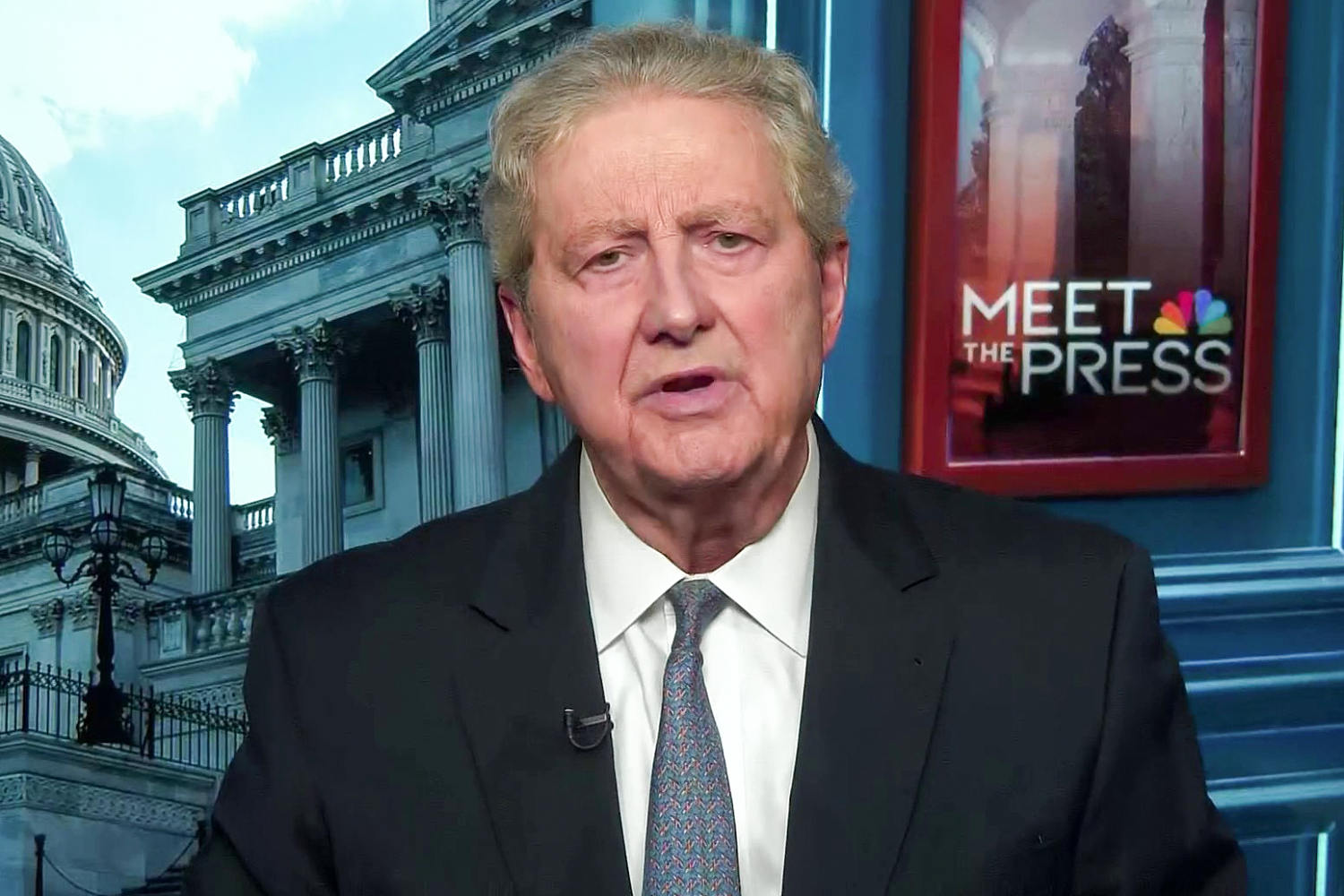
Senator John Kennedy, a Republican from Louisiana, has publicly criticized the Trump administration’s strategy for ending the war in Ukraine, dismissing the current round of negotiations in Kyiv and Moscow as mere rhetoric that is unlikely to produce a lasting peace. Kennedy joined a growing chorus of dissent within his own party, arguing that the diplomatic efforts being touted by White House officials are superficial and fail to address the underlying military realities on the ground. His comments represent a significant fracture in the Republican consensus, which has largely coalesced around Trump’s foreign policy agenda, particularly regarding international conflicts. By labeling the talks as “pretty talk,” Kennedy is signaling that he believes the administration is prioritizing political optics over substantive diplomatic breakthroughs, a stance that could complicate future legislative support for foreign aid or diplomatic initiatives.
This criticism emerges at a critical juncture in the conflict, as both Kyiv and Moscow have engaged in high-level discussions aimed at de-escalating tensions. However, trust between the two nations remains at an all-time low, and previous attempts at mediation have stalled due to irreconcilable demands over territorial control and security guarantees. The Trump administration has long advocated for a swift resolution, often suggesting that pressure on Ukraine to concede territory could force a negotiation. Kennedy’s pushback suggests that some Republican lawmakers are skeptical of this approach, fearing it may embolden Russian aggression rather than deter it. The timing of his remarks is particularly notable, as they coincide with renewed fighting in eastern Ukraine, highlighting the disconnect between diplomatic statements and the brutal reality of the battlefield. This internal party disagreement reflects broader anxieties among lawmakers who are watching the conflict evolve in real-time while grappling with the political implications of supporting or opposing their president’s foreign policy.
The senator’s comments have sparked immediate reaction from both supporters and critics. Allies of the administration have dismissed Kennedy’s remarks as out of step with the broader Republican strategy, arguing that any dialogue is a step toward peace. However, national security experts and some fellow Republicans have echoed his concerns, pointing out that without concrete concessions from Russia, these talks are likely to yield nothing but propaganda victories. The debate underscores the difficulty of managing a complex international crisis from a distance, especially when domestic political considerations are intertwined with global security interests. Kennedy’s position is not isolated; it reflects a growing unease among voters and lawmakers who are tired of the stalemate and wary of solutions that seem to favor one side disproportionately. As the war drags on, the cost of inaction or ineffective diplomacy becomes increasingly apparent, putting pressure on all sides to deliver tangible results.
What happens next will depend on whether these diplomatic efforts can move beyond rhetoric to actionable agreements. If the talks fail to produce a ceasefire or a framework for negotiations, the war is likely to continue, with devastating consequences for civilians and global stability. For Kennedy and other dissenting Republicans, this moment presents an opportunity to shape the party’s stance on foreign policy, potentially influencing future legislation and diplomatic priorities. The outcome of these negotiations will not only determine the immediate future of Ukraine but also set a precedent for how the United States engages in international conflicts moving forward. As the world watches, the pressure is on both the Trump administration and its critics to provide a clear, coherent strategy that can actually end the violence rather than merely manage the narrative. The stakes are high, and the margin for error is slim, making every statement and decision critically important in the quest for peace.
Read Full Story at NBC News →