Vucic to resign within weeks, calls early elections
Serbia’s President Aleksandar Vučić will resign within weeks, advancing early elections. Protests over government failures likely forced this move, ending his 10-year dominance in Serbian politics.
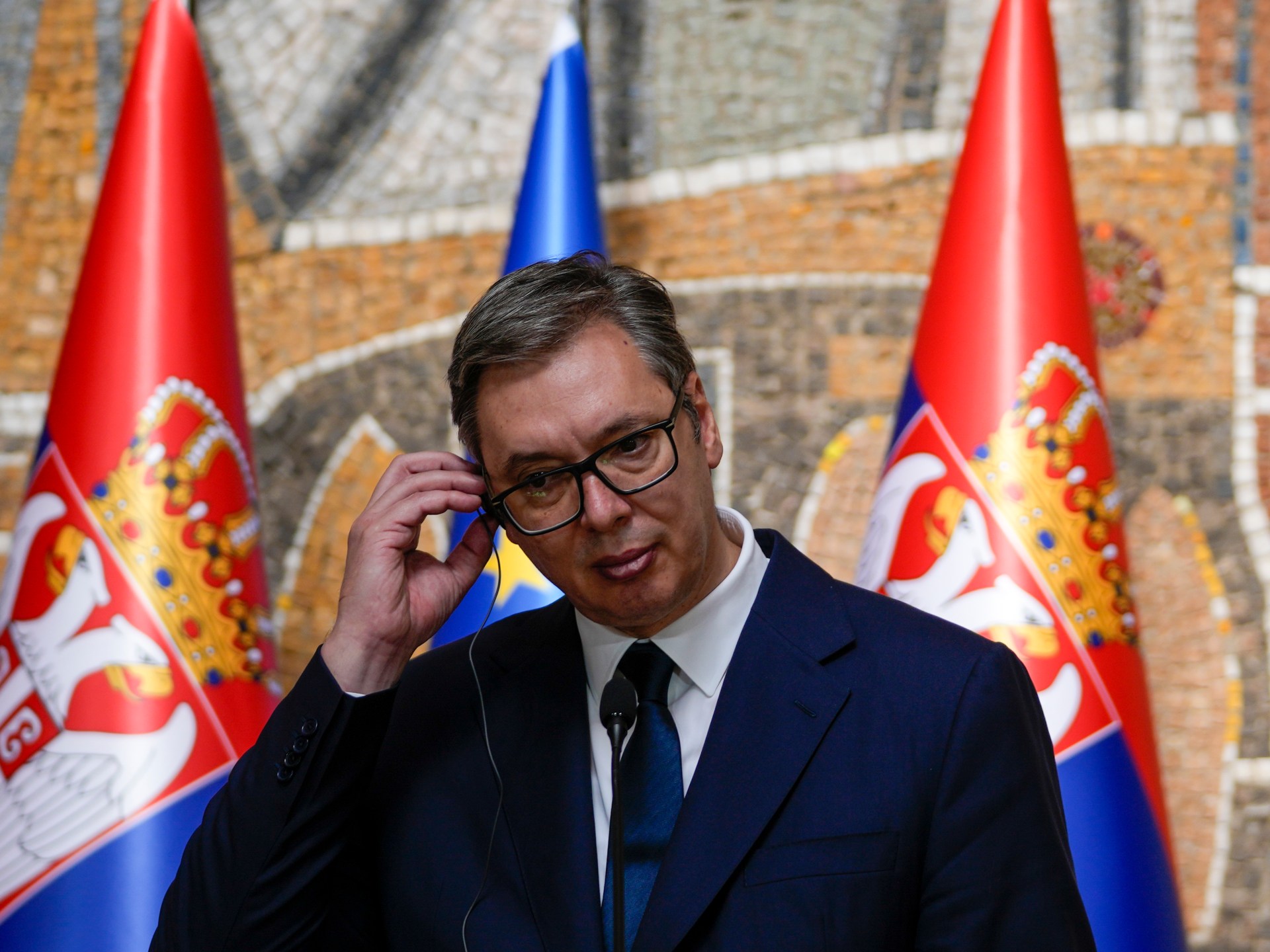
Serbia’s President Aleksandar Vučić announced on Saturday that he will resign within weeks, clearing the way for early presidential and parliamentary
Read Full Story at Al Jazeera →Why This Matters
The resignation of Aleksandar Vučić, who has shaped Serbia’s political landscape since 2012, signals a potential shift in the country’s authoritarian trajectory. His exit under pressure from sustained protests over governance failures could reopen space for democratic opposition forces, altering the balance of power in a region long dominated by strongman politics.
Background Context
Vučić’s decade-long rule was marked by centralization of power, media suppression, and a delicate balancing act between Western engagement and ties to illiberal allies like Russia and China. His government’s handling of economic stagnation, corruption scandals, and wartime legacy controversies had eroded public trust, culminating in mass demonstrations demanding his departure.
What Happens Next
Early elections could either consolidate Vučić’s legacy by allowing his party to retain control under new leadership or fracture the ruling coalition amid infighting. The opposition’s ability to unite behind a coherent platform will determine whether Serbia sees a genuine democratic opening or a continuation of managed elections designed to preserve the status quo.
Bigger Picture
Vučić’s exit reflects a broader regional trend where aging autocrats face growing resistance as economic discontent and generational change collide with entrenched political systems. Serbia’s transition—or lack thereof—may serve as a bellwether for whether illiberal governance can adapt to pressure or if post-authoritarian politics is becoming unsustainable in the Western Balkans.








