Four shark eggs transported to Indonesia for conservation efforts
Four shark eggs were transported from the U.S. to Indonesia to aid in conservation efforts for a species threatened by overfishing. This initiative represents a pioneering approach to restoring shark…
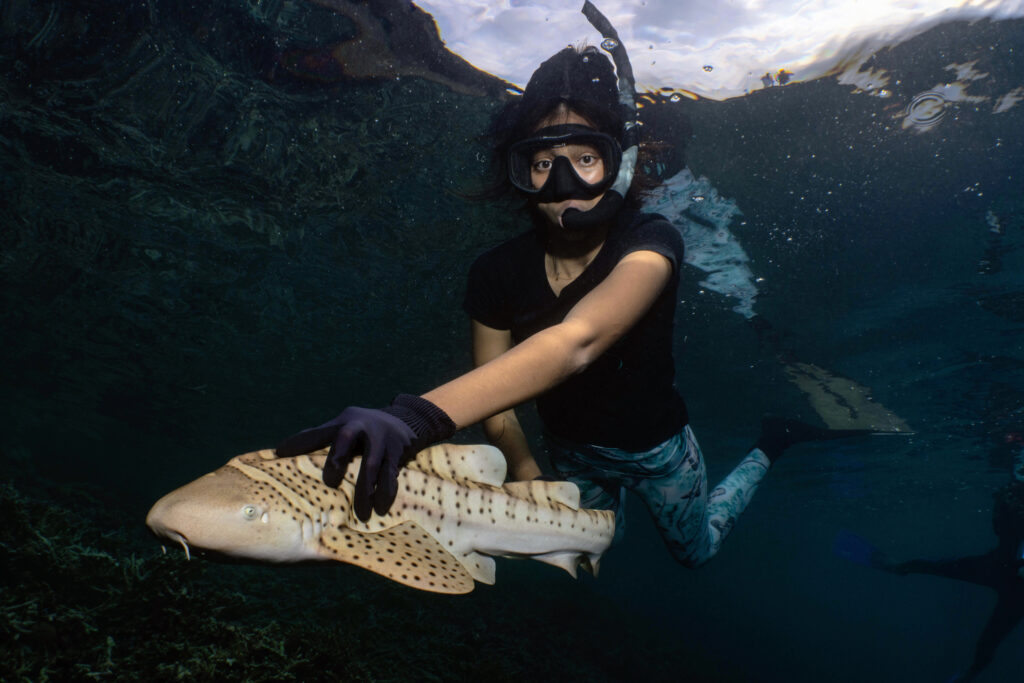
Four shark eggs made a remarkable journey from the United States to Indonesia last month, packed inside an insulated FedEx box. The eggs, encased in a sealed sack of seawater, traveled at 30,000 feet to contribute to a groundbreaking conservation effort aimed at reviving a species on the brink of extinction.
This initiative is part of an innovative international rewilding pipeline designed to combat the severe decline of shark populations due to overfishing. Conservationists are now taking proactive steps to restore these marine creatures, whose numbers have plummeted in recent decades. The transfer of these shark embryos, playfully referred to as “mermaid’s purses,” marks a significant milestone in global efforts to protect and regenerate dwindling species.
The four eggs are representative of a species that has faced extensive overfishing and habitat loss. With shark populations suffering dramatically, various organizations are collaborating to develop methods for reintroducing these fish into their natural environments. The success of this rewilding pipeline could set a precedent for similar initiatives targeting other endangered marine species.
The next stages of this project will involve hatching the eggs in Indonesia and monitoring the young sharks as they adapt to their new surroundings. This approach not only aims to restore shark populations but also to highlight the importance of sustainable fishing practices. The outcome could significantly impact marine biodiversity and ecosystem health, demonstrating the potential for innovative conservation strategies in the face of environmental challenges.
Read Full Story at Inside Climate News →