Archaeologists find skeleton with 167 fractures at Lochmaben Castle
Archaeologists discovered a skeleton with 167 fractures at Lochmaben Castle, likely the first victim of Edward I's "War Wolf" trebuchet during the Scottish Wars of Independence. This find highlights …
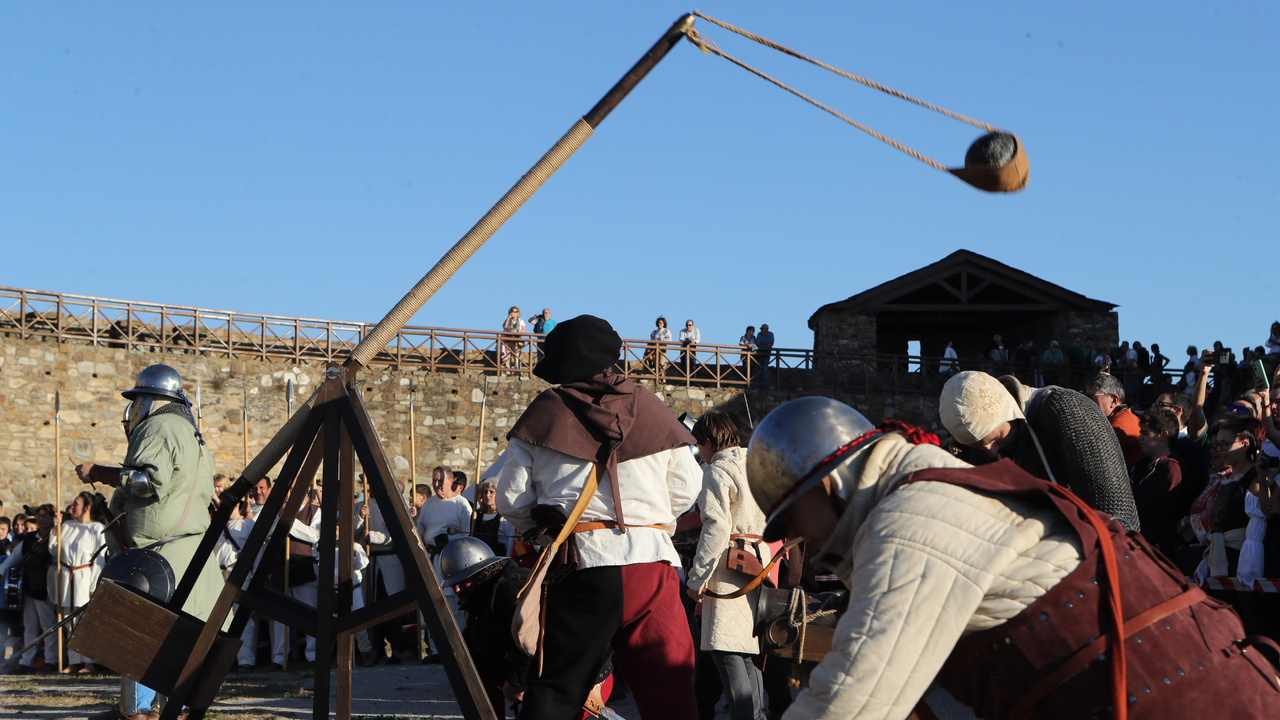
Archaeologists have unearthed a skeleton with 167 fractures near a Scottish castle, suggesting the remains belong to a victim of a direct hit from a trebuchet, a medieval siege weapon. This discovery was made at the site of the 13th-century Lochmaben Castle in Dumfries and Galloway, where excavations have been ongoing.
The find is significant as it may represent one of the earliest known casualties of Edward I's infamous "War Wolf," a massive trebuchet used during the Scottish Wars of Independence. This artillery piece was designed to breach castle walls and strike fear into defenders. The presence of such extensive fractures in the skeleton points to a violent encounter, likely linked to the conflicts between the English and Scots in the late 1200s and early 1300s, a period marked by intense warfare over Scottish independence.
Experts believe the injuries suggest the individual was struck directly by a projectile launched from the trebuchet, which would have had devastating consequences. The skeleton's condition raises questions about the scale and impact of siege warfare during this era. Historical accounts of Edward I's campaigns indicate that his forces were ruthless, and this discovery adds a grim dimension to the narrative of the time. The find also highlights the archaeological significance of the site, which could reveal more about medieval warfare and the lives of those caught in its midst.
Moving forward, researchers plan to conduct further analysis of the skeleton and its context to glean more information about the person’s identity and the circumstances surrounding their death. This insight could reshape our understanding of medieval military tactics and the human cost of war. As more excavations are planned at Lochmaben Castle, it is possible that additional artifacts and remains will shed light on this tumultuous period in Scottish history, revealing stories of courage and tragedy that have long been buried.
Read Full Story at Live Science →


