Social media on trial: Four important cases to watch
When social media started to take over the internet 20 years ago, it was widely hailed as a game-changing technology that would connect people across divides and make information more accessible. Today, companies like Meta, owner of Facebook and Instagram, Google, owner of Youtu
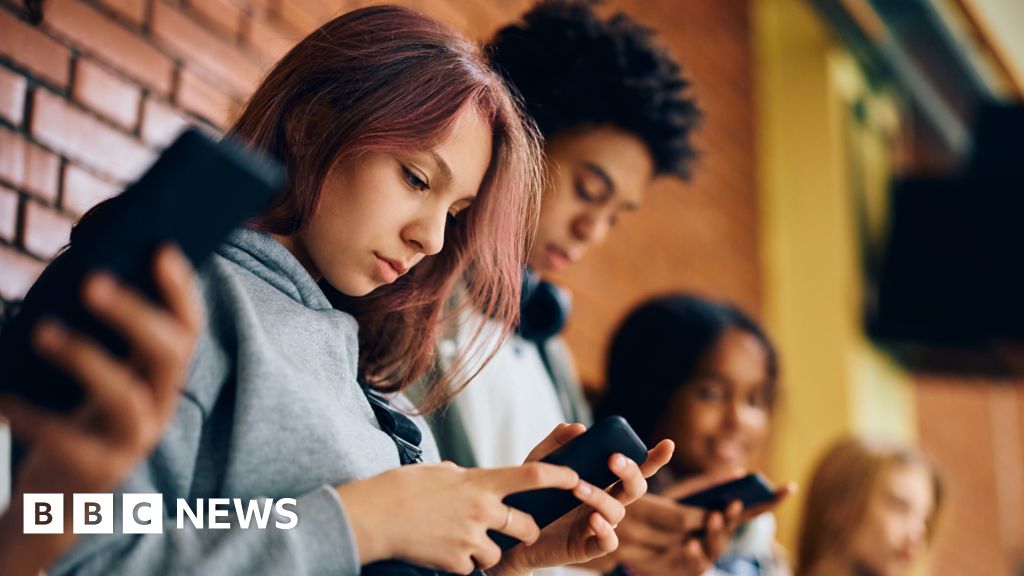
When social media started to take over the internet 20 years ago, it was widely hailed as a game-changing technology that would connect people across divides and make information more accessible.
Today, companies like Meta, owner of Facebook and Instagram, Google, owner of Youtube, and Snapchat, along with relatively newer platforms like TikTok, Discord and social gaming platform Roblox, are facing thousands of lawsuits in the US over claims that they have instead harmed users, children in particular.
Taken together, the outcome of the lawsuits, whether they ultimately settle out of court or end up with jury verdicts against companies, could change the way social platforms operate forever.
"It's created a stage that not only legal observers are watching, but regulators and lawmakers are watching closely as well," Eric Talley, a lawyer and professor at Columbia Law School, said.
Talley noted that the way this growing wave of lawsuits against platforms is feeding into broader public perception is likely to influence political elections for the next several years, impacting new and revised laws and regulations.
Many of the cases are going through courts in California, where all of the major social platforms are headquartered. Known as the "California effect", legal and policy changes enacted in the state tend to lead to nationwide changes.
"There's no denying anymore that there is an issue with child safety on the platforms," Alexis Shore Ingber, a communications law expert and a professor at Syracuse University, said. "We are seeing an inflection point. These cases are significant."
Already this year, Meta and YouTube notched an unprecedented loss in a case brought by a young woman who claimed she was addicted as a child to social media, contributing to her mental and emotional health struggles. The companies were ordered by a jury to pay her a combined $6m (£4.5m) in damages. Both firms said they disagreed with the verdict and intended to appeal.