SpaceX plans Texas gas pipeline for Starship launches
SpaceX plans to build an eight-mile natural gas pipeline in Texas to fuel Starship rocket launches with liquid methane, cutting costs by replacing hundreds of tanker trucks. The project faces environm
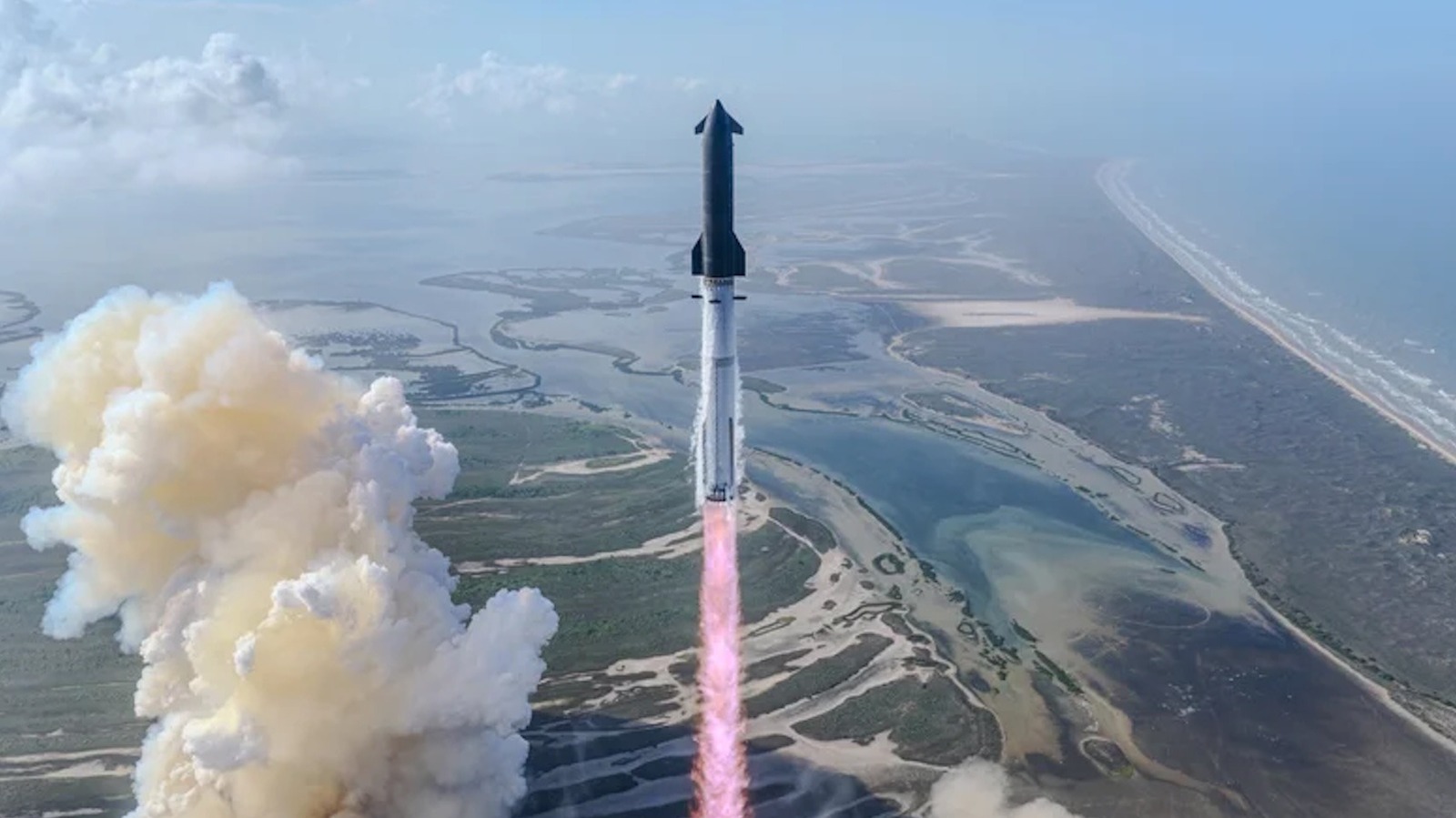
SpaceX is planning to build an eight-mile natural gas pipeline in Texas to fuel its Starship rocket launches. The company has filed plans to construct
Read Full Story at Engadget →Why This Matters
SpaceX’s move into natural gas infrastructure underscores the company’s aggressive push to control every layer of its Starship supply chain—a strategy reminiscent of its early investments in rocket manufacturing and launch facilities. By bypassing third-party energy suppliers, SpaceX signals its intent to treat fuel as another vertical to dominate, much like it did with satellite internet via Starlink. This could reset industry expectations for vertical integration in aerospace, where cost efficiency often trumps traditional procurement models.
Background Context
The Texas Gulf Coast has long been a hub for both liquefied natural gas (LNG) exports and private aerospace ventures, thanks to deregulation-friendly policies and proximity to offshore drilling. SpaceX’s Starship program, however, demands a specialized fuel—liquid methane—that most pipelines aren’t equipped to transport at scale. This gap has historically forced launch providers to rely on costly trucking or on-site liquefaction, creating bottlenecks that SpaceX now appears poised to eliminate through direct infrastructure control.
What Happens Next
Regulatory hurdles may slow the pipeline’s approval, given Texas’s complex energy permitting landscape and environmental reviews for methane infrastructure. If successful, SpaceX could set a precedent for other private space ventures to replicate this model, particularly for in-situ resource utilization (ISRU) projects. Watch for partnerships with local gas producers or state energy officials to gauge how quickly this initiative gains traction—and whether it triggers pushback from traditional energy companies.
Bigger Picture
This project reflects a broader pivot among tech-driven industries toward energy self-sufficiency, mirroring Silicon Valley’s forays into renewable microgrids and data center power. As spaceflight becomes more commoditized, the ability to secure low-cost, high-purity fuel—critical for reusable rockets—could become a decisive competitive advantage. It also highlights how aerospace and energy sectors are increasingly intertwined, with space companies now shaping terrestrial infrastructure policy.




