SpaceX to use NVIDIA GPUs for its Starmind project — Here's what they'll face in space
Elon Musk wants to harness solar energy for AI. The AI race has its sights on the stars, as companies push to migrate the world's networks to orbit. It's sold as a catchall solution for many of the …
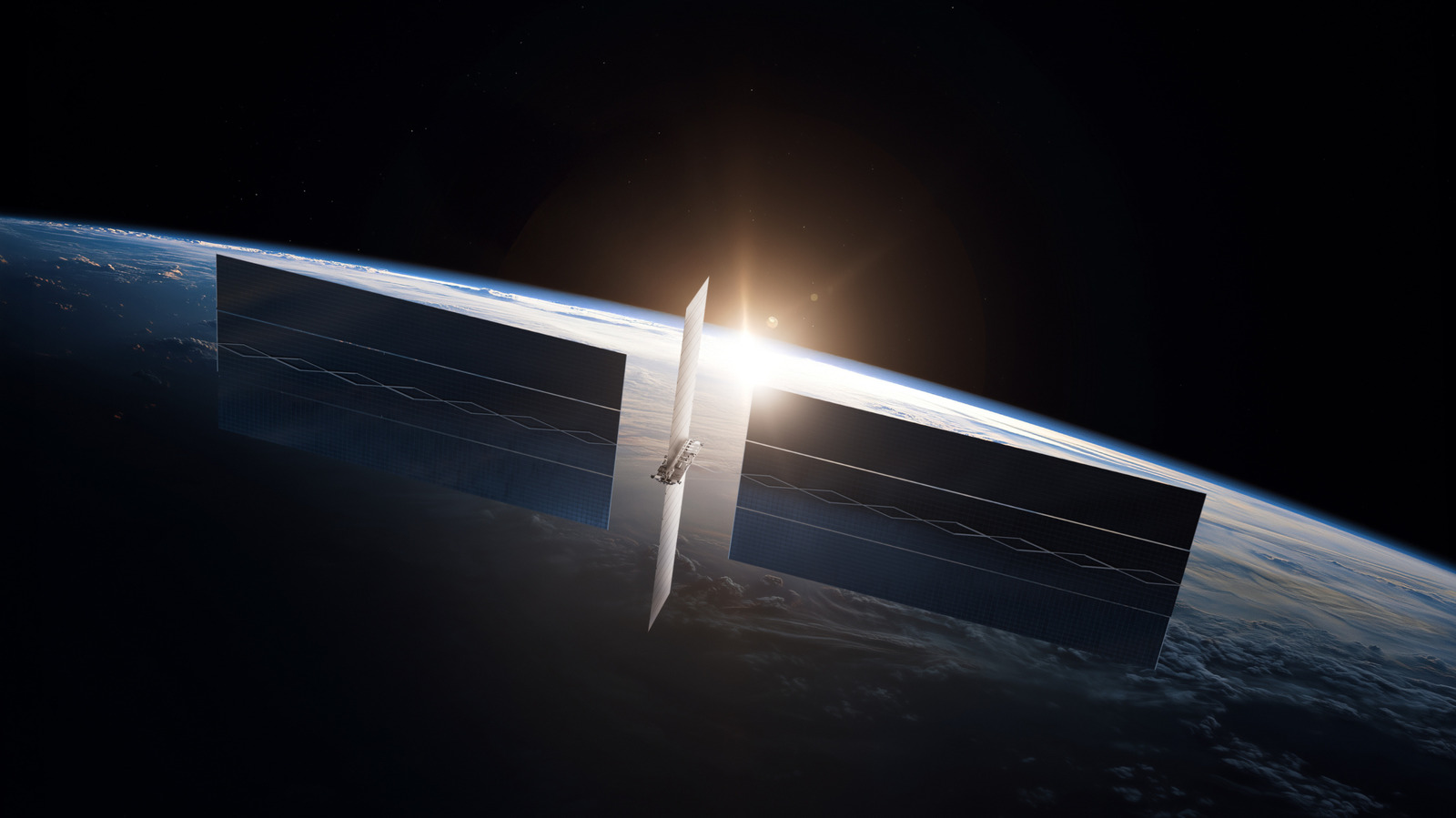
The AI race has its sights on the stars, as companies push to migrate the world's networks to orbit. It's sold as a catchall solution for many of the industry's limiting factors, including land scarcity and environmental concerns and power shortages.
One of the movement's most vocal proponents is Elon Musk, whose firm SpaceX recently filed an application with the FCC to launch a data center with up to a million satellites into orbit . Dubbed Starmind, SpaceX's orbital data center project looks to be the company's most ambitious yet.
Eventually, Starmind will likely depend on SpaceX's Terafab, a $119 billion joint chip manufacturing plant with Musk's Tesla. In the meantime, however, SpaceX will lean on NVIDIA to meet its expedient timeline. During the earnings call, Musk said that the Starmind AI1 satellite "is not some sort of far future distant thing," claiming that SpaceX will begin launching in 2027 — an optimistic timeline, even for the notoriously optimistic Musk.
Despite the executive's confidence, critics remain skeptical. One issue likely to challenge the feasibility of the project is the decision to opt for NVIDIA's most-advanced chip suite, as technical hurdles, cost constraints and scaling issues threaten to push the constellation past next year's launch date.
Before diving into the difficulties of deploying the latest chip architecture in space, let's quickly contextualize this decision within SpaceX's orbital data center ambitions. Starmind's AI1 satellite will look to beam AI results back to Earth via "high-speed laser links" that utilize SpaceX's Starlink system. Each satellite is expected to hold roughly 72 NVIDIA chips, making one unit the equivalent of a single NVIDIA server rack. SpaceX predicts each will produce up to 175kW of computing power on average. Ultimately, SpaceX aims to deploy to a million of these massive satellites in Low Earth Orbit.
During the company's Q2 earnings call in early August, Musk announced that NVIDIA will provide the chip architecture behind its AI1 project, the initial salvo of satellites in SpaceX's Starmind fleet. According to a SpaceX post on X , AI1 satellites will use "NVIDIA Rubin GPUs and Vera CPUs for data center class space compute." SpaceX also stated that it will use NVIDIA's Vera Rubin NVL72 rackscale system as the project's chip platform. Dubbed Space-1, NVIDIA claims that the Vera Rubin module delivers up to 25 times more AI compute than its older H100 GPU model.
SpaceX hopes the constellation will untether xAI's growth from "Earth's grid, land, and cooling constraints." Following a sun-synchronous orbit that keeps it facing the sun 98 percent of the time, AI1's massive solar panel array will reportedly to generate 210kW of power. In doing so, the company will solve the power issue plaguing terrestrial data centers. The satellites will generate massive amounts of heat, an issue SpaceX plans to solve with 1,700-square-foot liquid radiators that release heat "freely into the vacuum of space." Whether SpaceX can do so more efficiently than current space infrastructure projects remains a major challenge.
During the recent earnings call , Musk detailed the logic behind SpaceX's decision to bank its Starmind project on NVIDIA's Vera Rubin chips, calling it the "best architecture" available. "We think the design of the NVL72 VR computer is a much better design than, say, having a standard rack-style design," Musk continued, noting that the company expects to "deploy this on the ground as well as in orbit." During the call, the executive claimed that the Vera Rubin design would also "cost less" and "be more effective" than other solutions.
Read Full Story at Engadget →