SpaceX’s historic IPO ignites the new space race
SpaceX’s historic IPO ignites the new space race SpaceX’s IPO—the largest in history—has out-of-this-world implications for AI, space commerce and extraterrestrial exploration By Jonathan O'Callaghan edited by Lee Billings SpaceX is shooting for the moon, in more ways than one
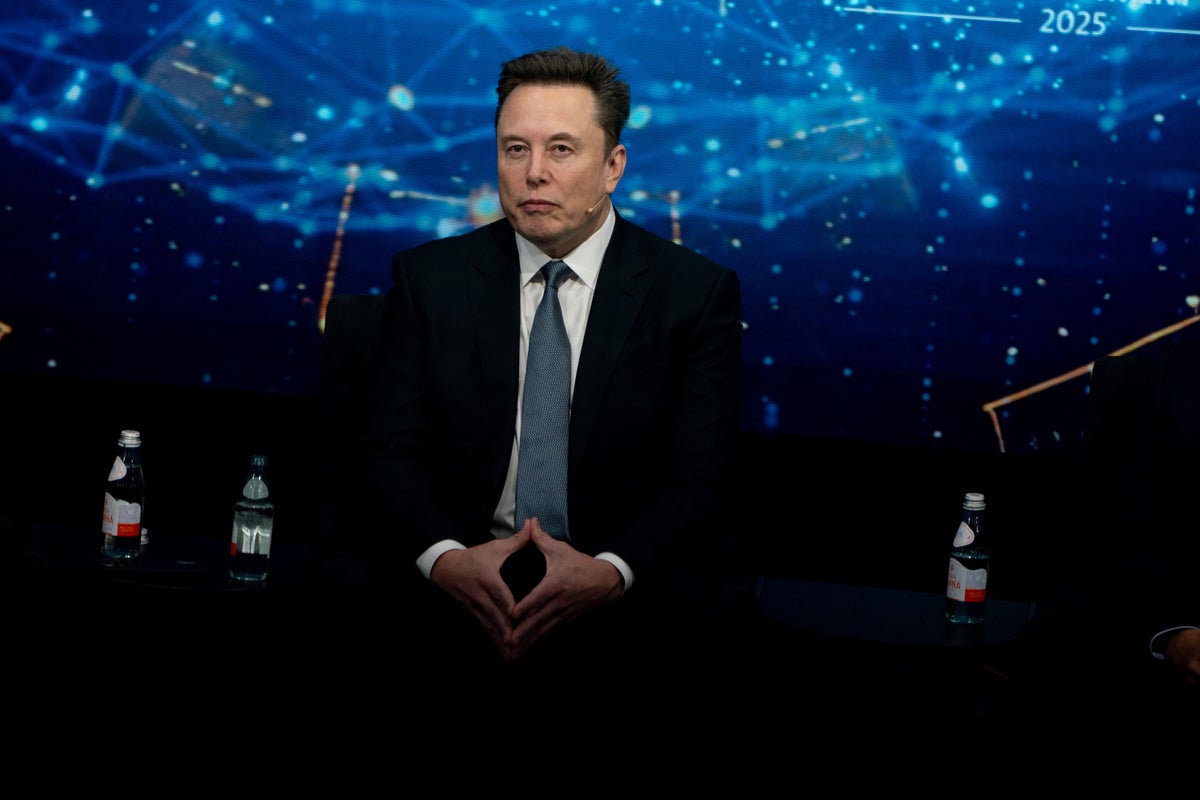
SpaceX’s IPO—the largest in history—has out-of-this-world implications for AI, space commerce and extraterrestrial exploration
SpaceX is shooting for the moon, in more ways than one. The company has just debuted on the stock market in the biggest initial public offering (IPO) in history, with the company raising some $75 billion and being valued at an almost ludicrous $1.77 trillion. That should give it the funds to roll out its massive Starship rocket, a vehicle crucial for SpaceX’s plans to launch thousands of data-center satellites and land humans on the moon.
“It’s a watershed moment for the space sector,” says Raphael Roettgen, founding partner of the U.S. space investment company E2MC Ventures, which has invested in SpaceX.
The successful listing will be music to the ears not just to SpaceX’s CEO Elon Musk, who is now set to become the world’s first trillionaire, but NASA, too; the space agency’s Artemis program is betting big on SpaceX and its Starship rocket for ferrying astronauts to and from the lunar surface as soon as 2028. The IPO is “a lot of cash inflow, which is good for any company,” says Pierre Lionnet, a space economist at Eurospace in France. “They will be using that money to fund a lot of things, including data centers on Earth, data centers going to orbit, and finishing up development of Starship.”
If you're enjoying this article, consider supporting our award-winning journalism by subscribing . By purchasing a subscription you are helping to ensure the future of impactful stories about the discoveries and ideas shaping our world today.
SpaceX’s debut on the stock market came after months, even years, of buildup . Last week SpaceX announced it would be offering 555.6 million shares to investors at a price of $135 each. Prior to this, it had raised money through venture capitalists, private funding rounds, and customers—notably NASA and other government agencies, as well as the roughly 10 million people that now use the company’s Starlink Internet service .
Going public gives SpaceX access to potentially a much larger pool of money. “Once you’re public, you can keep accessing the public markets,” Roettgen says.
One of SpaceX’s reasons for going public is to raise funds to build fleets of orbital data centers. In a prospectus for investors filed with the U.S. Securities and Exchange Commission (SEC) on May 20, the company said that artificial intelligence was a market potentially worth $26.5 trillion. SpaceX merged with another of Musk’s companies , xAI, in February to tap into this market .







