Iceland and Spain prepare for total solar eclipse on August 12, 2026
A total solar eclipse will cross Iceland and Spain on August 12, 2026, offering rare high-latitude scientific data. This event drives tourism and requires early booking due to limited viewing times a…
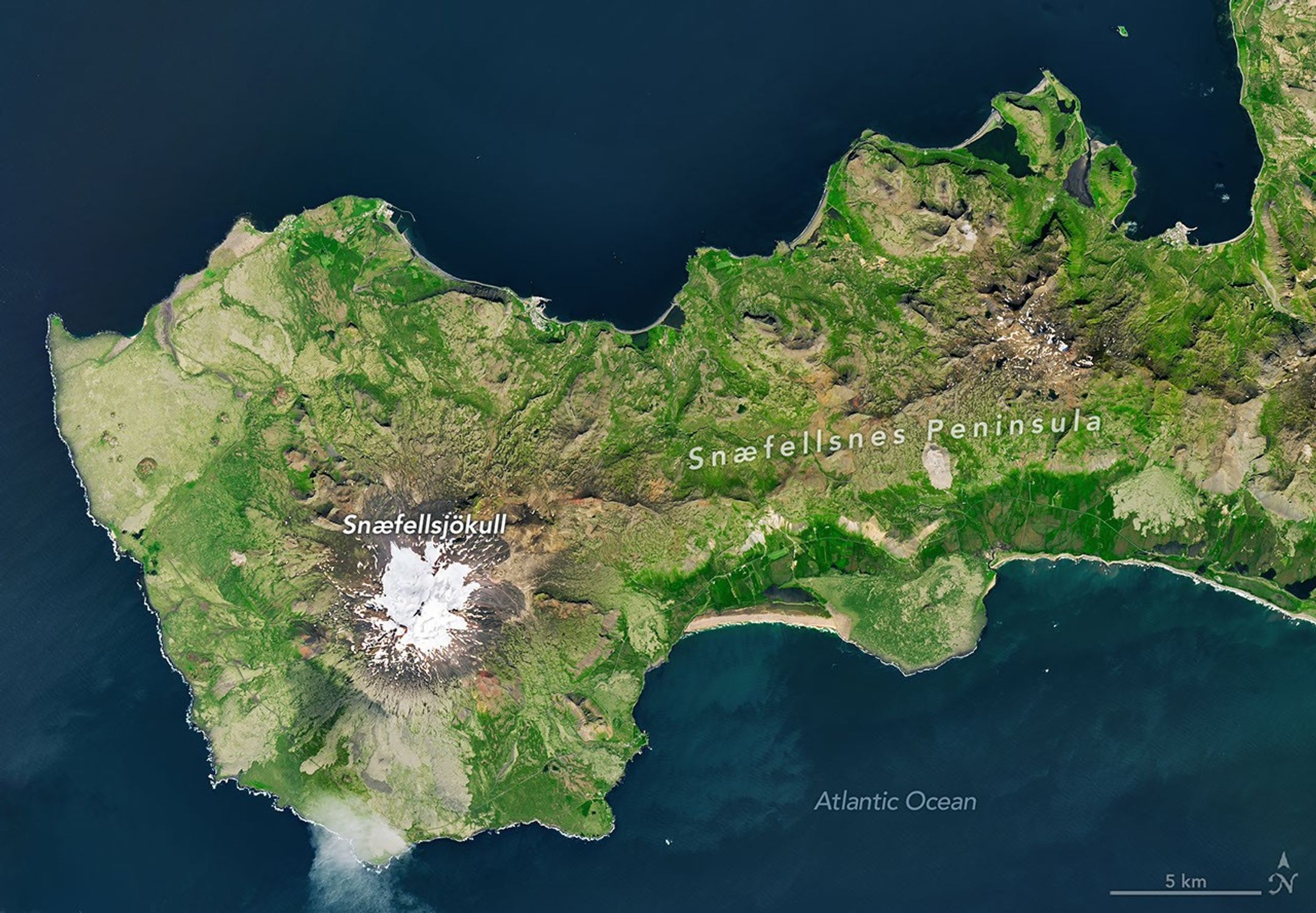
NASA announced that a total solar eclipse will pass over western Iceland and northern Spain on August 12, 2026, giving a handful of northern‑hemisphere sites a chance to witness totality. The eclipse’s path of totality is a narrow band about 100 km wide, moving from the North Atlantic toward the Iberian Peninsula. Observers in Reykjavík and the Spanish city of León will see the sun vanish for up to 2.7 minutes in Iceland and 1.8 minutes in Spain, before the sun reappears.
Solar eclipses happen when the Moon’s orbit brings it directly between Earth and the Sun. The 2026 event is part of a rare series of eclipses that will be visible from the northern hemisphere over the next decade, following the 2024 eclipse that crossed the United States. Scientists have long studied the thin strip of darkness to learn about the Sun’s outer atmosphere, or corona, because the Moon blocks the bright solar disk. The August 12 eclipse offers a unique window to study solar activity and the Earth’s magnetosphere from a high‑latitude perspective.
The eclipse will attract astronomers, tourists and local communities. In Iceland, the Icelandic Meteorological Office has issued a “totality alert” and is coordinating with hotels to accommodate visitors. In Spain, the local tourism board has already begun selling packages that include guided viewing parties and safety equipment. The event will also be a boon for satellite operators and space agencies, who plan to use the eclipse to test instruments that rely on sudden changes in solar radiation. NASA’s eclipse maps show the path crossing the Arctic Ocean, Greenland, Iceland, and the northern tip of Spain before disappearing over the Atlantic.
People planning to view the eclipse should book travel early and follow safety guidelines. Direct eye contact with the Sun is dangerous, even during partial phases; viewers must use certified eclipse glasses or indirect viewing methods. Local authorities in both countries are preparing emergency services and public information campaigns. The eclipse will also serve as a reminder of Earth’s place in the solar system, drawing attention to climate change, space weather and the importance of scientific observation. As the date approaches, astronomers will finalize their instruments, while tourists will secure accommodations, making the August 12, 2026 eclipse a global event that blends science, adventure and public outreach.
Read Full Story at NASA →