Strait of Hormuz reopening won't end shipping risks
US President Donald Trump on Sunday hailed a framework agreement between the United States and Iran aimed at ending hostilities in the Gulf that have reduced commercial shipping in the Strait of Hormuz to a trickle for more than three months. The deal, scheduled to be signed on
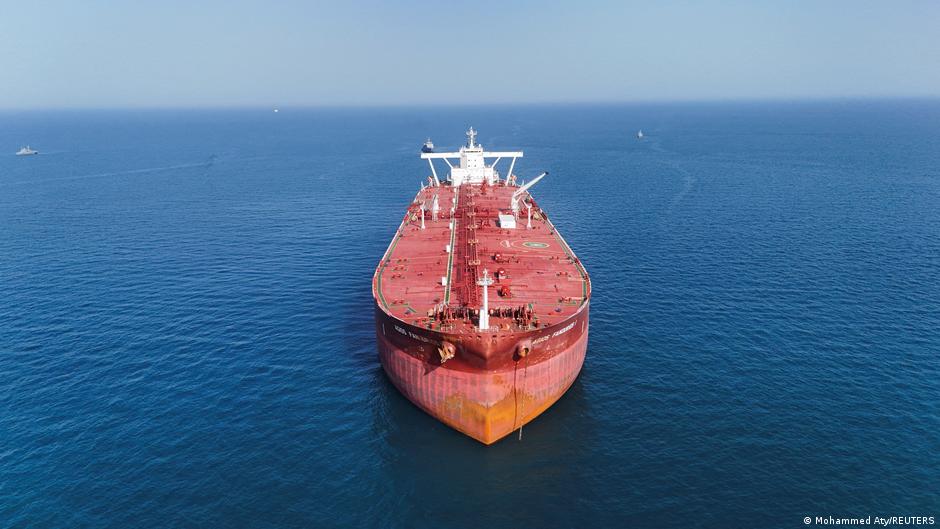
US President Donald Trump on Sunday hailed a framework agreement between the United States and Iran aimed at ending hostilities in the Gulf that have reduced commercial shipping in the Strait of Hormuz to a trickle for more than three months.
The deal, scheduled to be signed on Friday in Switzerland, reopens the strait to shipping without tolls, lifts the US naval blockade of Iranian ports and allows Tehran to resume oil exports under limited sanctions relief.
The framework also extends the current ceasefire for at least 60 days while launching broader talks on Iran's nuclear program.
Yet, unlike reopening a highway after a car wreck, restoring prewar oil, gas and container traffic through this vital chokepoint faces significant hurdles .
Greek maritime risk management agency MARISKS warned in a research note on Monday that the framework agreement should be viewed as "the beginning of a de-escalation process rather than the immediate restoration of normal trading conditions."
To view this video please enable JavaScript, and consider upgrading to a web browser that supports HTML5 video
Assuming attacks from both the US and Iran have ended for good, Iran must first find and clear the naval mines it deployed during the conflict to make the waterway passable once again
Most could be located fairly quickly using minesweepers, underwater drones and sonar. But some mines may have drifted or be hard to find, say maritime experts.






