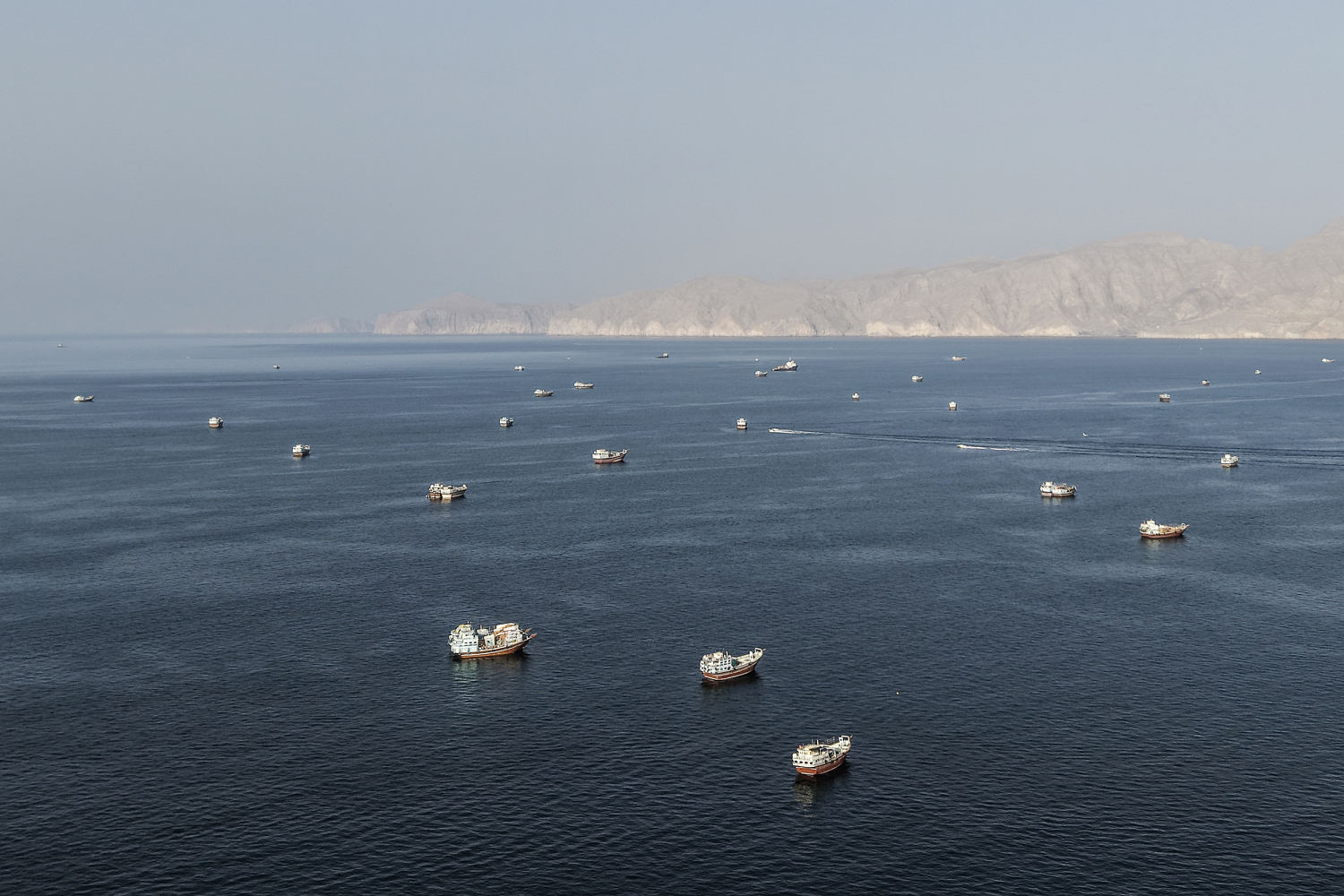
Iran's naval attacks in Strait of Hormuz threaten global oil transport
Iran's naval attacks on commercial ships in the Strait of Hormuz threaten global oil transport and reflect Tehran's strategic leverage despite economic strain. While shipping rates have increased, th…
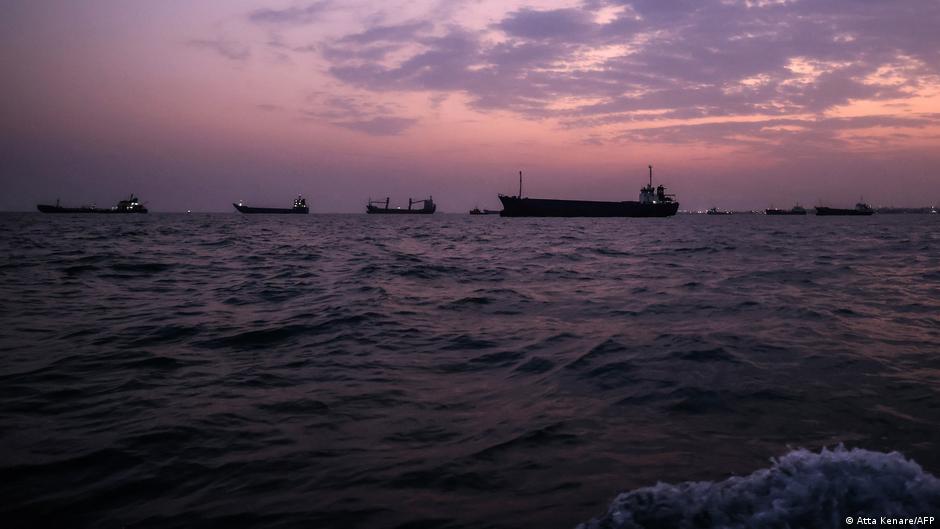
Iran’s navy and allied militia have kept targeting commercial ships in the Strait of Hormuz, a choke‑point that carries about a fifth of the world’s oil. The attacks, which began after the war started, have left crews in danger and forced shippers to weigh the risk of passage against the cost of delays. The United States has stepped up naval escorts, but the threat remains a daily reality for vessels that still try to cross the narrow waterway.
The pressure on Iran comes from its geography and the weapons it can deploy from islands and coastal bases. Experts say Tehran can keep hitting ships because it has the right mix of missiles and small‑boat tactics. Yet the war is taking a heavy toll on Iran’s own economy, and that financial strain is the main limit on how long the campaign can continue. “Iran’s limitation in the Strait of Hormuz is economic rather than military,” says Ali Mohammadi, an Iran specialist based in France. He adds that even a full closure of the strait would be unsustainable, as it would bring high political costs and could alienate Iran’s regional allies.
Data from the UK Maritime Trade Operations Centre show 325 vessel transits between 29 October and 4 November, up 17 % from the previous week but still about 65 % below pre‑war levels. Crude oil shipments, however, have largely bounced back to normal, with some weeks in September and October even exceeding pre‑conflict volumes, according to energy analyst Dalga Khatinoglu. Refined petroleum products tell a different story: daily exports have fallen from roughly 6.2 million barrels to about half that amount. Liquefied natural gas flows from Qatar and the UAE are also down about 10 % from before the war, and recovery has been slow.
The coming weeks will test whether Iran can sustain its maritime pressure without crippling its own economy. If the United States continues to protect shipping at a high cost, Tehran may find the leverage it seeks in negotiations diminishing. Conversely, a prolonged disruption could force global buyers to reroute oil and gas, raising prices and reshaping supply chains. The balance between Iran’s strategic aims and its economic reality will determine how long the Strait of Hormuz remains a bargaining chip in the wider conflict.
Read Full Story at DW World →